
Hero image prompt: Dark mode technical sketch. Solid black background, thin white hand-drawn lines. Several short lines (character arcs) that rise and cross, like threads in a weave. No single line dominates. Minimalist, high-contrast.
Bridesmaids and Superbad don’t have one protagonist. They have a group. Everyone gets a beat. Everyone has something at stake. The trick is keeping the audience oriented: whose scene is this? Whose arc are we advancing? And how do we get back to the others before we forget them? Ensemble comedy is a structure problem. You’re not just writing funny people. You’re writing a machine where each character has a role and the story has a spine that holds them together. Here’s how to juggle multiple arcs without dropping any.
The audience can only hold so many threads. The ensemble works when we know who we’re with and why we’re with them, and when every thread pays off by the end.
Think about The Hangover. We have four guys. One is the straight man (the groom). One is the wild card. One is the anxious one. One is the one we forget until he matters. The plot is simple: find the groom. The arcs are simple too: each of them has a moment where they step up or fail. The script doesn’t try to give everyone a full character arc. It gives everyone a function and at least one beat that’s theirs. That’s the model. You don’t need six full journeys. You need a clear spine (the plot) and clear roles (who does what, who changes a little, who gets the punchline). Our guide on ensemble casts and balancing screen time goes deeper on the same question for drama; the principles, spine, function, payoff, apply to comedy too.
Why the Spine Matters
In a single-protagonist comedy, the hero drives the story. In an ensemble, if everyone is driving, we go nowhere. So you need one thing that pulls everyone forward. A wedding. A trip. A heist. A night that has to end somewhere. The spine is the plot that all the characters are attached to. It doesn’t have to be complicated. It has to be clear. “Get to the wedding.” “Find the groom.” “Survive the party.” When the spine is clear, you can cut between characters and the audience always knows where we are in the story. When the spine is fuzzy, the audience gets lost. They’re with one character, then another, and they’re not sure how it all connects. So before you write, name the spine. One sentence. Then make sure every scene advances the spine or pays off something that does. For more on structure that holds multiple threads, see structuring the B-plot for thematic resonance, in ensemble comedy, several characters can function like B-plots that tie into the main spine.
Giving Everyone a Function and a Beat
Not every character needs an arc. Every character needs a function. They’re the one who makes the plan. They’re the one who screws it up. They’re the one who says what everyone’s thinking. They’re the one who’s always wrong. When each character has a function, the writer knows what to do with them in each scene. The straight man gets the reaction. The wild card gets the bad idea. The anxious one gets the meltdown. The function is the role. The beat is the moment when that role pays off. Maybe the anxious one finally snaps and it’s funny. Maybe the wild card has one good idea that saves the day. Maybe the one we forget has the line that ties the theme together. One beat per character is enough. More is fine. But at least one. So when you outline, list the characters. Next to each, write: function, and one beat that’s theirs. If you can’t, that character might be redundant. For more on making each voice distinct, see distinct voices and the blind read test.
Managing Screen Time Without Losing Anyone
The audience will forget a character if they disappear for too long. So you have to bring them back. That doesn’t mean everyone is in every scene. It means no one is gone so long that we’ve forgotten their deal. A rough rule: if a character hasn’t had a moment in 15 pages, give them one. A line. A reaction. A small beat. It doesn’t have to be huge. It has to be enough that we remember they’re in the movie. The other risk is the character who takes over. One voice is so strong that every scene becomes about them. The ensemble flattens into a star vehicle with sidekicks. Fix: rotate. Give the strong character a scene where they’re not the engine. Give the quiet character a scene where they have to talk. Balance is the craft. For more on balancing screen time in ensemble work, see ensemble casts and balancing arcs.
| Principle | What It Does |
|---|---|
| Clear spine | One plot that pulls everyone; we always know where we are in the story |
| Function per character | Each has a role (straight man, wild card, etc.); writer knows what to do with them |
| At least one beat each | Every character has a moment that’s theirs, punchline, turn, payoff |
| Don’t let anyone disappear | Bring everyone back within ~15 pages; rotate who drives the scene |
Relatable Scenario: The Script Where the Middle Sags
You’ve got six characters. The first act sets them up. The third act brings them together. The second act is a mess. We’re with one character for a long time, then we jump to another and we’ve forgotten the first. Fix: map the second act. Scene by scene, who’s in it? Who’s driving? Is the spine advancing? Then add checkpoints. Every 10–15 pages, every character should have had something, a line, a reaction, a beat. If someone’s missing, add a scene or a moment. The spine (the wedding, the trip, the night) should keep moving. The characters should rotate around it. Our piece on the fun and games beat applies: the second act is where ensemble comedy often sags if the spine isn’t clear and the rotation isn’t planned.
Try it free
Try Screenweaver for free on your script
It is free. Import your existing project, get a clearer view of your outline, and regain control of your story structure in minutes.
Start FreeRelatable Scenario: The Script Where One Character Does Everything
You’ve got an ensemble on the page, but in practice one character has all the best lines and all the turns. The others are reactors. So you go back. For each of the others, add one scene or one beat where they’re the engine. They have the idea. They have the meltdown. They have the line that changes the scene. You don’t have to make them equal. You have to make them present. When everyone has at least one moment that’s theirs, the ensemble feels real. For more on designing support characters with purpose, see designing character foils and support cast.
The Trench Warfare Section: What Beginners Get Wrong
Too many characters with the same function. Three people are the “funny one.” The scenes feel repetitive. Fix: differentiate. One is sarcastic. One is oblivious. One is the one who tries too hard. Give each a distinct flavor so they’re not interchangeable.
No spine. The script is a series of scenes with the group. We’re not building toward anything. Fix: add a goal. A deadline. A thing that has to happen. The spine doesn’t have to be huge. It has to be clear. “Get to the wedding by Saturday.” Now every scene can ask: are we closer or farther?
Forgetting to pay off the quiet character. We set up the character who never talks. We never give them the moment. The audience feels cheated. Fix: in the outline, give every character at least one beat. The quiet one might have the last line. The one we forget might save the day. Pay off what you set up.
Letting the tone drift. With many characters, the tone can slip. One scene is broad, the next is sweet, the next is mean. Fix: establish the tone early. Then every character’s comedy should fit that tone. If one character is much darker or much sillier than the rest, they can pull the whole thing off. Use them carefully. For more on tone in comedy that touches trauma, see dark comedy and humor in trauma.
[YOUTUBE VIDEO: Breakdown of one ensemble comedy, e.g. Bridesmaids or Superbad, mapping the spine, labeling each character’s function, and pointing to each character’s key beat.]
Step-by-Step: Outlining the Ensemble
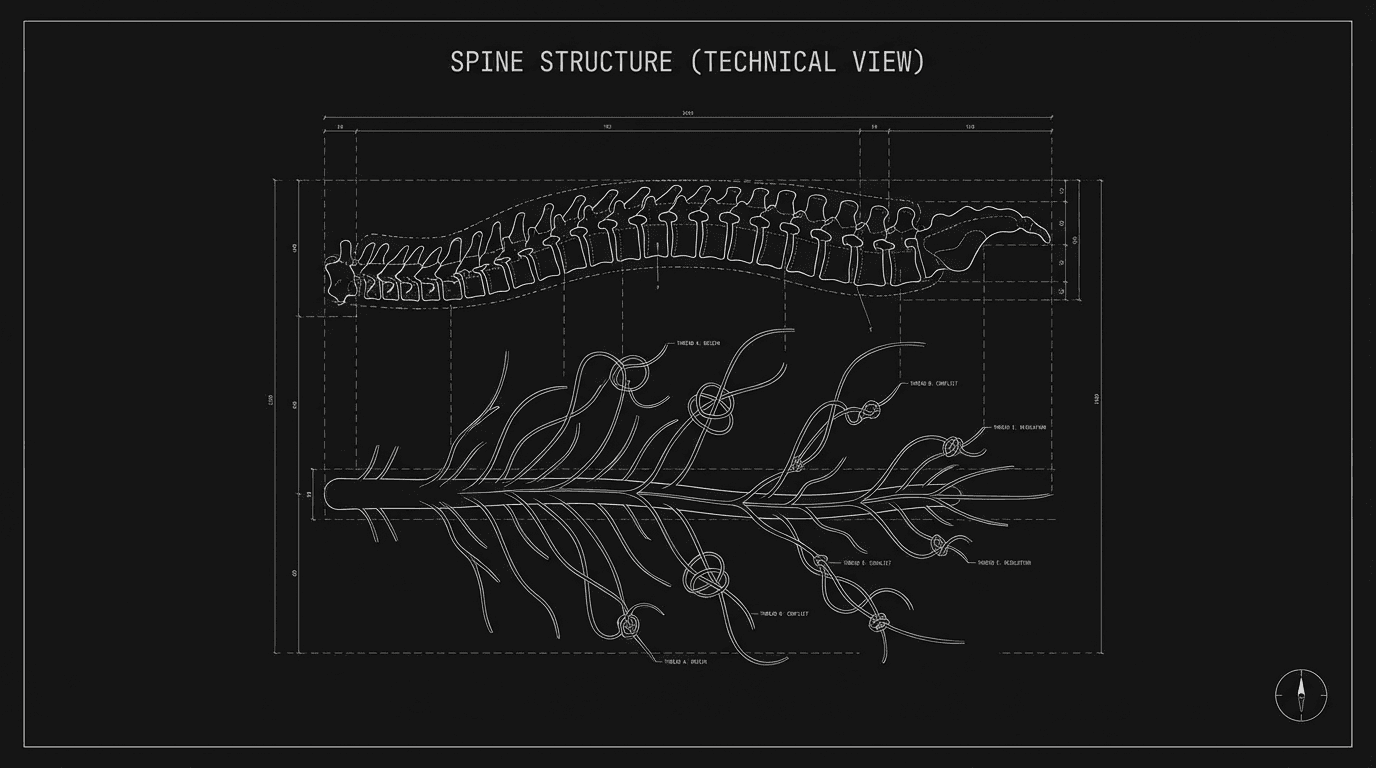
Before you write, list the characters. For each: name, function (one line), and one beat that’s theirs. Then write the spine in one sentence. What has to happen by the end? Then map the scenes. For each scene, note who’s in it, who’s driving, and how the spine advances (or doesn’t). Check: does every character show up at least every 15 pages? Does every character have a beat? If yes, you have a map. If no, add scenes or redistribute. The outline is the juggling pattern. Once you have it, writing is filling in the beats. For more on visualizing structure, see beat boards vs outlines.
One External Resource
For a short overview of ensemble casts in film, see Ensemble cast on Wikipedia. Reference only; not affiliated.
The Perspective
Ensemble comedy is structure. A clear spine. Clear functions. At least one beat per character. Don’t let anyone disappear. Don’t let one character do all the work. When the machine is built, the comedy can run. When it’s not, the audience gets lost and the jokes don’t land. Build the machine first. Then make it funny.
Final Step
Build your next script with Screenweaver
Move from ideas to production-ready pages faster with timeline-native writing and AI-assisted story flow.
Try Screenweaver