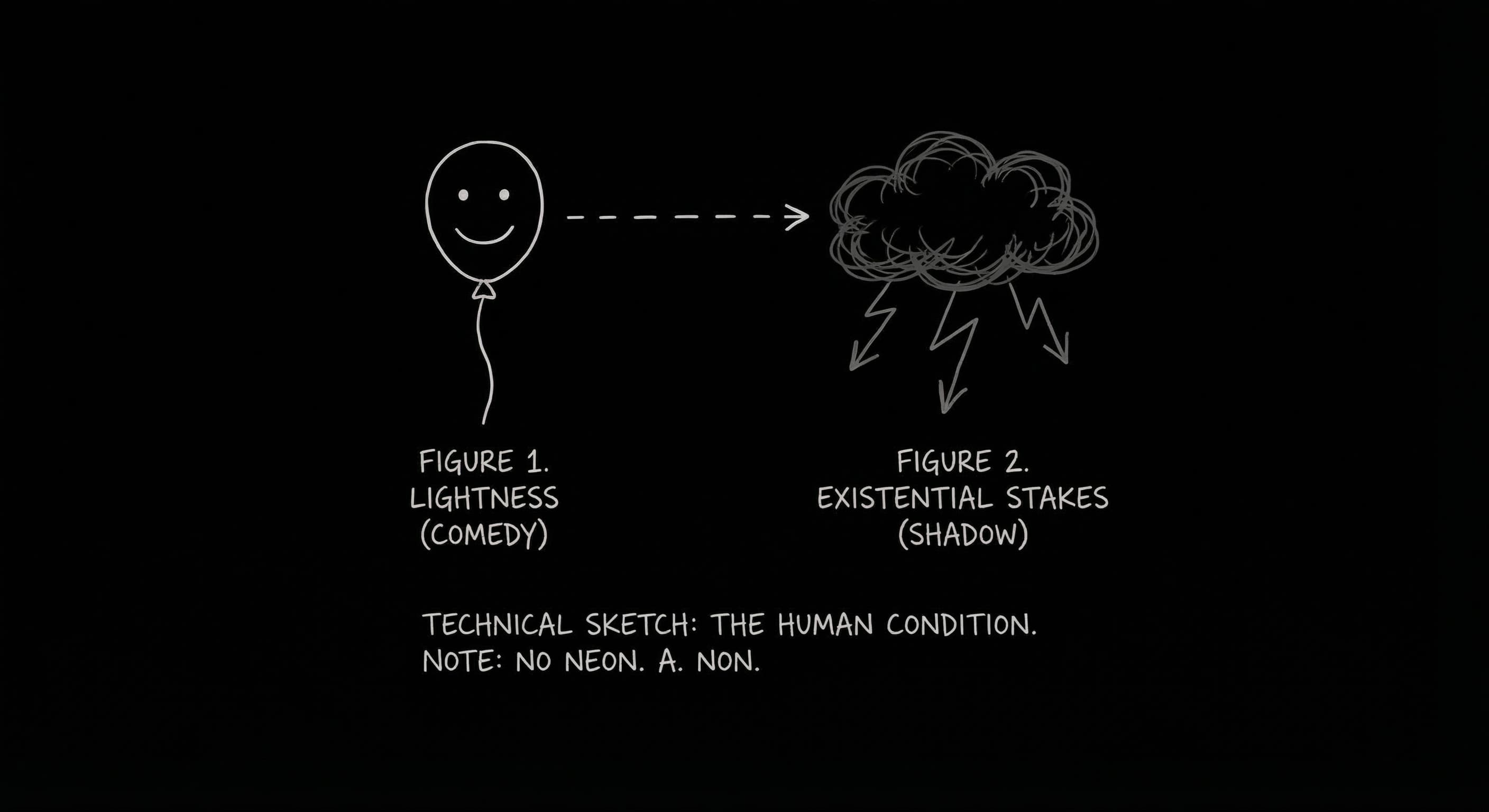

The rom-com is funny. The characters are charming. But if nothing is at stake,if we never feel that something could be lost,the laughs don’t land. The whiff of death is Blake Snyder’s term for the moment in a comedy (or any “light” genre) when the audience senses real consequence. Not that anyone has to die. Just that something matters. The relationship could fail. The dream could collapse. The character could lose the thing they care about. That shadow makes the comedy matter. Without it, the genre can feel weightless. With it, the audience invests. They laugh harder because they care.
Comedy without stakes is noise. Comedy with a whiff of death is story.
Think about the comedies that stick. When Harry Met Sally isn’t just jokes. We feel that they might not end up together. The Proposal has a fake marriage,but the character’s career and her ability to be vulnerable are on the line. Bridesmaids has a character in free fall,friendship, business, self-worth. The whiff of death doesn’t mean the tone turns dark. It means that underneath the jokes there’s something real. Something that could go wrong. When the writer plants that, the audience leans in. When the writer avoids it, the comedy can feel like a series of bits. So the craft is: keep it funny, but give the story a spine. One thing that matters. One thing that could be lost. That’s the whiff.
What “Whiff of Death” Actually Means
In Save the Cat, Blake Snyder uses the phrase for the beat where the audience feels that something real is at risk. In a drama, that might be life or freedom. In a comedy, it might be the relationship, the job, the friendship, or the character’s sense of self. The “death” is metaphorical. It’s the loss of the thing that matters. So the whiff of death is the moment (or the throughline) where we understand: this could go wrong. The character could end up alone. They could fail. They could lose the person they love. Once we feel that, the comedy has stakes. The jokes land because we’re invested. The happy ending pays off because we believed, for a moment, that it might not happen.
That doesn’t mean every comedy needs a near-death experience. It means every comedy needs something that the audience can root for and fear for. The whiff can be subtle. A single line: “If this doesn’t work, I’m done.” A single beat: the character alone, after the fight, and we feel the weight. Or it can be a subplot,the character’s parent is sick, the character’s business is failing. The whiff doesn’t have to dominate. It has to be present. So when you outline a comedy, ask: what could be lost? What would it mean if the character didn’t get what they want? If you can’t answer, the story might be missing a spine. As discussed in our guide on Save the Cat and structure, the beat sheet is one way to place these moments; the whiff of death is the moment that makes the comedy more than a sketch.
Where the Whiff Usually Lands
In a typical comedy structure, the whiff often appears in the middle or second half. We’ve been having fun. Then something goes wrong. The relationship breaks. The plan fails. The character hits bottom. For a beat, we feel that it might not be okay. That’s the whiff. It doesn’t have to be long. It can be one scene. But it has to be real. The audience has to believe that the character could lose. Then the story can turn,they fight back, they apologize, they try again,and the resolution lands because we feared it might not come. So the whiff is often the “all is lost” or “dark night” moment in a comedy. Same structural place as in a drama. Different tone. The character might still be funny. But we feel the cost. Our guide on the all-is-lost moment applies to drama; in comedy, the equivalent is the moment we feel the character could actually lose the thing that matters. It doesn’t have to be despair. It has to be stakes.
A Practical Comparison
| Comedy without whiff | Comedy with whiff |
|---|---|
| Jokes, but nothing at stake | Jokes, plus something to lose |
| We laugh but don’t care | We laugh and care |
| Happy ending feels arbitrary | Happy ending feels earned |
| Forgettable | Memorable |
The whiff doesn’t make the comedy serious. It makes the comedy matter. The tone can stay light. The character can keep making us laugh. But underneath there’s a thread: this could go wrong. When you have that thread, the audience invests. When you don’t, the comedy can feel like a series of bits without a story.
Relatable Scenario: The Rom-Com That Feels Flat
Two people meet. They’re cute. They have misunderstandings. They get together. We laugh. But we never feel that they might not get together. So when they do, we shrug. Fix: Add a whiff. Give one of them a reason to walk away and mean it. Give them a moment where the relationship seems over. Let the audience feel that it could fail. Then when they find their way back, we care. The comedy stays funny. The story gains a spine.
Try it free
Try Screenweaver for free on your script
It is free. Import your existing project, get a clearer view of your outline, and regain control of your story structure in minutes.
Start FreeRelatable Scenario: The Workplace Comedy
The team is trying to save the company. We get jokes. We get hijinks. But we never feel that the company could actually go under,or that the character could lose their job, their reputation, their friends. So the climax feels like a formality. Fix: Plant the whiff. One scene where the boss says “one more strike.” One beat where the character is alone and we see what failure would mean. We don’t have to dwell. We have to feel it. Then the victory (or the bittersweet ending) lands. The comedy had something at stake.
The Trench Warfare Section: What Beginners Get Wrong
Avoiding stakes because it’s a comedy. “Comedies are supposed to be fun. I don’t want to bring the mood down.” So nothing is at risk. The story feels weightless. Fix: The whiff doesn’t kill the fun. It gives the fun somewhere to land. One scene, one beat, one line that says “this could go wrong.” The rest can stay light. The whiff is the spine, not the whole body.
Making the whiff too heavy. The comedy turns into a drama for 20 minutes. The audience is confused. Fix: The whiff is a whiff. A hint. A moment. It doesn’t have to dominate. The character can still be funny in the same scene where we feel the stakes. Tone can hold both. Don’t let the whiff take over the genre.
Stakes that don’t matter to the character. We’re told the character could lose their job, but we never see them care. So we don’t care. Fix: The whiff has to be tied to something the character wants or fears. Show us why it matters to them. One moment of vulnerability. One line. Then we’ll feel it too.
Stakes that are too abstract. “The character could lose their sense of self.” That’s hard to dramatize. Fix: Tie the whiff to something concrete. The relationship. The job. The friendship. The thing they’re trying to save. Concrete stakes are easier to feel. The “sense of self” can be the subtext. The concrete thing is the plot.
No whiff at all. The outline is jokes and plot mechanics. There’s no moment where we feel the character could lose. Fix: Ask: what’s the one thing that would make the audience say “oh no” if it went wrong? Put that thing at risk. One scene. One beat. That’s the whiff. Add it. The comedy will land harder.
Step-by-Step: Adding the Whiff
Identify what your character wants (love, job, friendship, respect). Ask: what would it look like if they lost it? Write one scene or one beat where that loss feels real. It can be short. The character alone. A line from someone else: “It’s over.” A moment of doubt. Read the script. Do we feel the stakes? If not, make the whiff more concrete. If the comedy feels heavy, make the whiff shorter,a single beat, not a whole act. The goal is balance: funny, but with something to lose. When you have that, the comedy has a spine. Our guide on character arcs applies: the character has to want something and risk something. The whiff is the moment we feel the risk.
[YOUTUBE VIDEO: Examples from 2–3 comedies where the “whiff of death” appears,the moment we feel real stakes,and how it makes the ending land.]
The Perspective
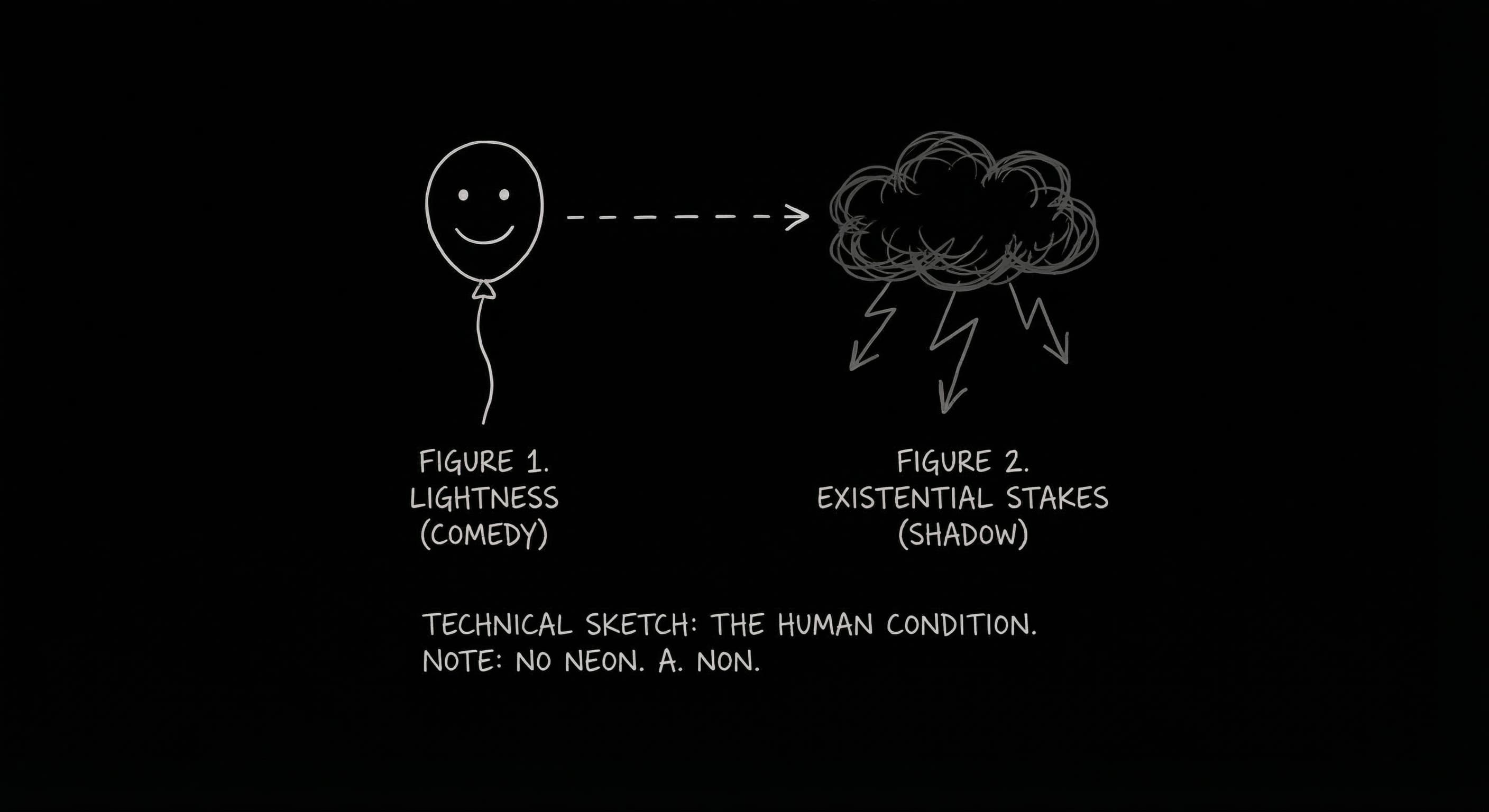
Comedy without stakes is a series of bits. Comedy with a whiff of death is a story. You don’t have to turn the genre dark. You have to give the audience one thing to fear for,one thing that could be lost. When you do that, the laughs land and the ending earns its payoff. That’s the whiff. One breath of consequence. The rest can stay funny.
Final Step
Build your next script with Screenweaver
Move from ideas to production-ready pages faster with timeline-native writing and AI-assisted story flow.
Try Screenweaver