

They want the same thing. The promotion. The client. The win. They're not enemies, they're rivals. The conflict is professional: same goal, limited resources, and respect (or grudging respect) that makes it different from pure villainy. Here's how to build a rivalry that drives the story without turning one side into a cartoon.
A rivalry works when both sides are good at what they do, and when we understand why each one wants to win.
Think about it this way. In a rivalry, the antagonist (or the other lead) isn't evil. They're competent. They have a reason to want what the protagonist wants. The conflict is structural, only one can get the thing, and often personal, they've history, they've clashed before. The audience can root for both in different moments, or they can root for one and still see the other as a worthy opponent. Our guide on complex villains touches on giving antagonists dimension; a rival is a special case, they're not trying to destroy the hero, they're trying to win the same game. For foils, see character foils, the rival often foils the hero (same goal, different method).
Why Professional Conflict Is Different
Villain conflict is often moral: good vs. bad. Rivalry conflict is structural: two people, one prize. So the tension doesn't come from "we have to stop them." It comes from "only one of us can have this, and we're both going for it." The rivalry works when we see why each wants to win (stakes) and how they're each good enough to get it (credibility). When one side is obviously better or the other is a cheat, the rivalry deflates. When both are capable and the outcome is in doubt, we're invested. For want vs need, see want vs need, the rivalry might force the hero to choose between winning and something else (integrity, relationship).
Relatable Scenario: The Same Job
Two candidates. One position. They're both qualified. They might even like each other, or they don't, but the reason is professional (different styles, past clashes). The conflict is the process: the interview, the project, the moment one of them gets the edge. To write it: give both a reason to need the job (money, pride, legacy). Give both strengths so we believe either could win. And let the rivalry have turns, one ahead, then the other. For character arcs, see character arcs, one or both might change through the rivalry.
Relatable Scenario: The Creative Rivalry
Two artists. Two teams. Same field. They're competing for the same audience, the same award, or the same recognition. The rivalry might be public (they're pitted against each other) or private (they're always comparing). To write it: show their work (or the result of it) so we believe they're both good. Show the cost of the rivalry, what they sacrifice to win. And give at least one moment where they respect each other, even if they never say it. For anti-hero, see anti-hero, sometimes the rival is an anti-hero we root for.
Relatable Scenario: The Rival Who Becomes an Ally
They start as rivals. By the end they're on the same side, or they've chosen different priorities. The shift has to be earned: something happens that forces them to cooperate, or one of them changes. The rivalry doesn't disappear; it's reframed. For character growth, see character growth types.
The Trench Warfare Section: What Beginners Get Wrong
Making the rival a villain. They cheat. They're cruel. We hate them. That's not a rivalry, that's an antagonist. Fix: Keep the conflict professional. The rival might be harsh or competitive, but they're playing the same game. They're not trying to destroy the hero; they're trying to win. For villains who are mirrors, see Jungian shadows.
Making one side obviously better. We know who'll win. Fix: Give both credibility. Both have a real chance. The outcome should feel in doubt. For passive protagonist, see passive protagonist, the hero has to act to win; the rival is the obstacle.
No stakes for the rival. We only care about the hero's want. Fix: Give the rival a reason to want to win. When we understand their need, the rivalry has weight. For want vs need, see want vs need.
Resolving it with a deus ex. Something external decides the winner. Fix: Let the characters decide, through choice, sacrifice, or growth. The resolution should feel earned. For climax, see character arcs.
Forgetting the respect. They only hate each other. Fix: Add at least one moment of recognition, they see the other's skill, or they share a moment of honesty. The rivalry is stronger when it's not pure animosity. For chemistry (non-romantic), see friendship dynamics.
Try it free
Try Screenweaver for free on your script
It is free. Import your existing project, get a clearer view of your outline, and regain control of your story structure in minutes.
Start FreeRivalry vs. Villain Conflict
| Rivalry | Villain conflict |
|---|---|
| Same goal; limited resource | Opposed goals; one wants to destroy or block |
| Both competent | Villain may be more powerful; hero must overcome |
| Respect (or grudging) possible | Moral opposition |
| Outcome: one wins, or both change | Outcome: hero defeats or contains villain |
Step-by-Step: Building a Professional Rivalry
First: Define the prize (job, client, award, recognition). Second: Give both characters a reason to want it (stakes). Third: Give both strengths so we believe either could win. Fourth: Add history or style clash so the rivalry is personal as well as structural. Fifth: Plan turns, who's ahead when, so the outcome stays in doubt. Sixth: Include at least one moment of respect or recognition. For more on antagonists, see complex villains. For foils, see character foils.
[YOUTUBE VIDEO: Same premise as rivalry vs. villain conflict, comparison of what the audience roots for.]
The Perspective
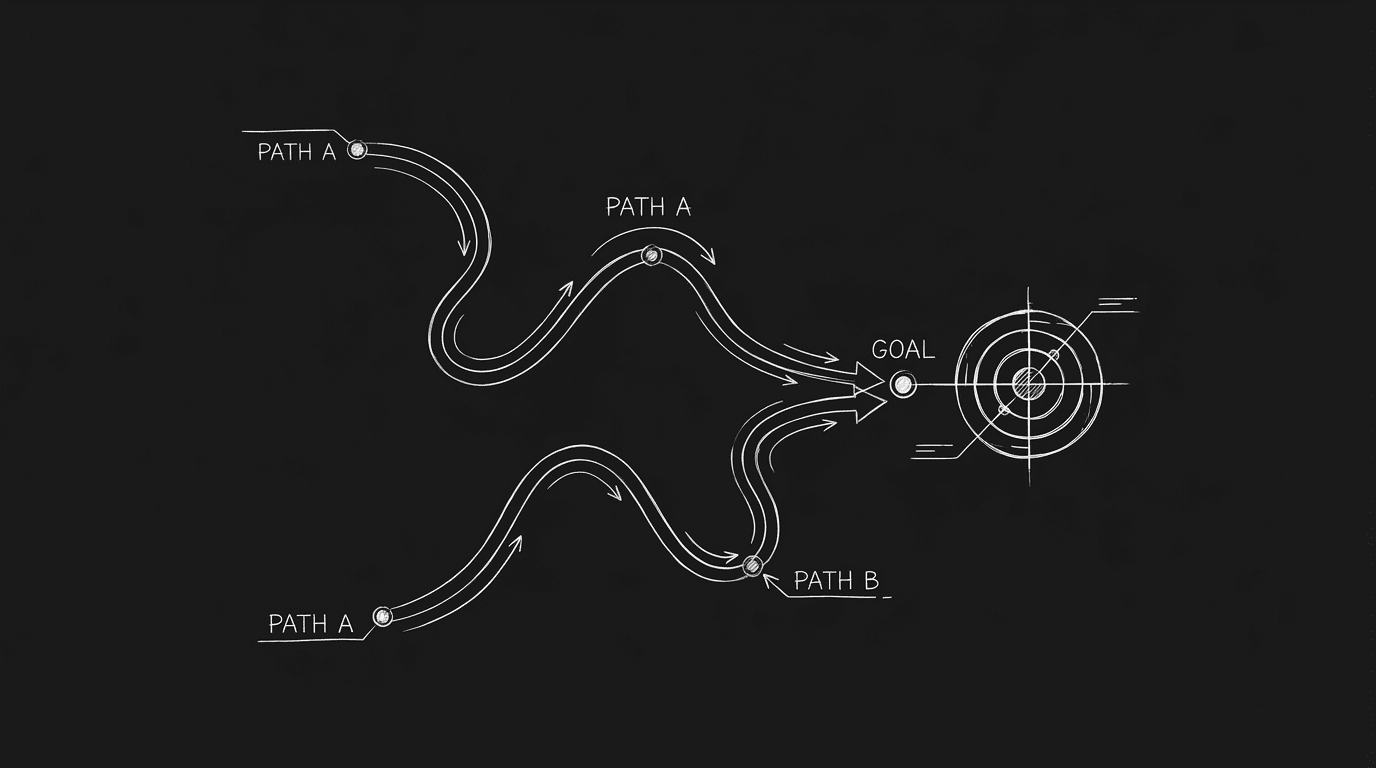
Build a rivalry on professional conflict: same goal, limited resource, both sides competent. Give both a reason to want to win. Let the outcome be in doubt. Add respect (or grudging respect) so it's not pure hatred. When the conflict is structural and both sides are real, the rivalry drives the story. So make them both good. Make the prize matter. And let the best (or the one who chooses differently) win.
Final Step
Build your next script with Screenweaver
Move from ideas to production-ready pages faster with timeline-native writing and AI-assisted story flow.
Try Screenweaver