

Your protagonist can change for the better. They can change for the worse. Or they can stay the same and change the world around them. Flat, positive, and negative arcs aren't three genres, they're three ways to design character movement (or lack of it) over the story. Picking the right one shapes everything: who your protagonist is, what the climax costs, and what the audience takes away. Here's when to use each and how to build it so it lands.
The arc type isn't a formula. It's the answer to one question: Does the protagonist end the story different from how they started, and in which direction?
Think about it this way. In a positive arc, the character has a flaw or a false belief. The story tests them. They suffer. They learn. By the end they're closer to the truth or to the person they need to be. In a negative arc, the character is tested too, but they refuse the lesson. They double down. They get what they want and lose what they need, or they lose everything. In a flat arc, the protagonist doesn't change. They're right from the start. The world is wrong. The story is about the impact they have, others change, the system shifts, the truth wins, while the hero stays steady. Each type fits different stories. Our guide on want vs need explains the engine; the arc type is the outcome of that engine. This piece is about choosing and executing the outcome.
Positive Arc: The Character Who Changes for the Better
The protagonist starts with a false belief or a flaw. They want something. What they need is to change, to let go of the belief, to overcome the flaw. The story puts them in situations where the old way doesn't work. They suffer. They resist. Eventually they have a choice: cling to the old self or embrace the new. If they choose change, they get the need (or at least a chance at it). The want might be sacrificed or reframed. The climax is often a choice that only the new version of the character could make. Positive arcs are the most common in mainstream film and TV. They feel satisfying: we watched someone grow. For the engine underneath, see want vs need and fatal flaw: the need is usually tied to overcoming the flaw.
When to use it: When the story is about growth, redemption, or learning. When the protagonist is sympathetic but wrong about something important. When you want the audience to leave feeling that change is possible.
What beginners get wrong: The character changes too fast (one scene) or too late (only in the climax with no setup). The need is vague. The climax doesn't force a choice, the character just "is different." Fix: Plant the flaw and the cost in Act 1. Show the character failing because of the flaw in Act 2. Make the climax a moment where they must choose the need over the want, or choose the new behavior over the old. The change should feel earned because we've seen the price of not changing.
Negative Arc: The Character Who Changes for the Worse (Or Refuses to Change)
The protagonist is tested. They're offered a chance to see the truth, to let go of the flaw, to choose the need. They refuse. They get the want and lose the need. Or they lose everything. The story is tragic or cautionary. We see what they could have been. We see what they chose instead. Negative arcs are rarer in blockbusters, audiences often want the hero to win, but they're powerful in drama, thriller, and noir. The protagonist might be an anti-hero we root for until we can't. Or they might be a straight tragic figure. For why we sometimes root for "bad" people, see our guide on the anti-hero: the negative arc is often where the anti-hero's refusal to change catches up with them.
When to use it: When the story is about corruption, temptation, or the cost of refusing to change. When the protagonist's flaw is the point, we watch them fall. When you want the audience to feel the weight of a bad choice.
What beginners get wrong: The character is "bad" from the start, so there's no arc, just a flat bad person. Or the fall happens too fast. Or we don't care about them enough to feel the tragedy. Fix: Give the character something we value. A skill. A love. A moment of decency. The negative arc hits when we see them surrender that. Show the moment they could have chosen differently. Make the refusal a choice, not an accident. And let the cost land, for them and for others.
Flat Arc: The Character Who Doesn't Change, The World Does
The protagonist is right from the start. They have the truth, the skill, or the moral clarity. The world (or the people around them) is wrong. The story isn't about the protagonist changing. It's about the impact they have. They convince. They resist. They win. Others change because of them. The system shifts. The flat arc is common in action, mystery, and stories with an iconic hero, the detective, the warrior, the prophet. The protagonist might be tested, but they don't need to learn. They need to act. For more on when the hero is already "correct," see want vs need: in a flat arc, the want might be external (save the town, win the case), and the "need" is the world's, to accept what the hero already represents.
When to use it: When the protagonist is a standard-bearer, they embody a truth or a code. When the story is about the clash between them and a broken world. When you want the audience to leave inspired rather than moved by change.
What beginners get wrong: The protagonist is perfect, so there's no tension. Or the world doesn't push back enough. Or the story feels preachy, the hero is right, everyone else is wrong, and we're just waiting for the world to catch up. Fix: Give the protagonist a cost for being right. They might lose something. They might be alone. They might have to make a sacrifice. The flat arc isn't "easy win." It's "they were right, but being right cost them." And give the world real weight. The wrongness they're fighting should be believable, not straw.
Relatable Scenario: The Positive Arc, The Workaholic Who Learns to Let Go
Act 1: They're defined by the job. They want the promotion. They need to learn that life is more than work. We see the cost: missed birthday, partner leaving, health scare. Act 2: They get the promotion. It's empty. They fail at the one thing that would have mattered, showing up for someone. They're offered a choice: double down or change. Act 3: They choose change. They sacrifice the next promotion. They show up. The climax is the choice, not the external win. The positive arc is complete: they're different. For structure that supports this, see midpoint shift: the flat arc doesn't require the protagonist to "turn" at the midpoint; the positive arc often does.
Relatable Scenario: The Negative Arc, The Detective Who Can't Stop
They're good at the job. They're also consumed by it. They need to stop, to save the marriage, the health, the soul. The story offers them a way out. They refuse. They get the villain. They lose everything else. The negative arc is complete: they got the want. They lost the need. We feel the tragedy. For protagonists who are pulled by the plot instead of driving it, see passive protagonist: in a negative arc, the protagonist often does drive, but toward the wrong thing.
Try it free
Try Screenweaver for free on your script
It is free. Import your existing project, get a clearer view of your outline, and regain control of your story structure in minutes.
Start FreeRelatable Scenario: The Flat Arc, The Hero Who Was Right All Along
They know the system is corrupt. They know the accused is innocent. The world doesn't believe them. The story is about the fight, obstacles, resistance, cost. The protagonist doesn't learn to be right. They already are. By the end, the truth is out, the system is shaken, or the innocent is free. The protagonist might be wounded. They might have lost allies. But they didn't change. The world did. For ensemble stories where one character holds the moral center, see ensemble casts: the flat-arc hero can be the anchor.
The Trench Warfare Section: What Beginners Get Wrong
Mixing arc types by accident. The character seems to be in a positive arc, they're learning, but in the climax they don't change, they just win. Or they're in a flat arc but the script keeps suggesting they need to learn something. Fix: Choose one arc type. Design the protagonist's ending first. Are they different? Better? Worse? Same? Then build backward. The climax should deliver that outcome.
Positive arc with no real cost. The character changes and gets everything. The want and the need. No sacrifice. Fix: In the best positive arcs, the character pays. They give up the want to get the need. Or they get the need and the want is reframed. Cost makes the change feel earned.
Negative arc where we don't care. The character does bad things and we're just waiting for them to lose. Fix: Give us a reason to care. A moment of humanity. Something they love. The negative arc hurts when we see what they're throwing away.
Flat arc where the hero is a sermon. They're right. Everyone else is wrong. The story is a march to victory. Fix: Give the hero a cost. Give the "wrong" side real arguments or real power. The flat arc is satisfying when the fight was hard and the hero paid something.
Arc Types at a Glance
| Arc type | Protagonist movement | Climax | Audience takeaway |
|---|---|---|---|
| Positive | Flaw → growth | Choice to change; need over want | Change is possible |
| Negative | Tested → refusal; flaw wins | Choice to refuse; want over need (or total loss) | Cost of not changing |
| Flat | No change | Impact on world; truth/code wins | Rightness has a cost; inspiration |
Use this to decide before you write the ending. The arc type is the contract with the audience. Break it and they feel cheated. Keep it and they feel the shape.
Step-by-Step: Choosing and Executing an Arc Type
First: State your protagonist's want and need (see want vs need). Second: Ask, at the end of the story, will they have changed? If yes, for better or worse? If better → positive arc. If worse (or they refused to change) → negative arc. If they won't change but the world will → flat arc. Third: If positive, plant the flaw and its cost in Act 1; show failure in Act 2; make the climax a choice that only the changed character could make. Fourth: If negative, show the moment they could have chosen differently; make the refusal a choice; let the cost land. Fifth: If flat, give the protagonist a cost for being right; give the world real weight; the climax is impact, not change. Sixth: Read the last ten pages. Does the ending deliver the arc type you chose? If not, adjust the climax or the setup. For more on the engine underneath, see fatal flaw and character arcs.
[YOUTUBE VIDEO: Same premise, three versions. One positive arc (they change), one negative (they refuse), one flat (they don't change, the world does). Side-by-side climax beats.]
The Perspective
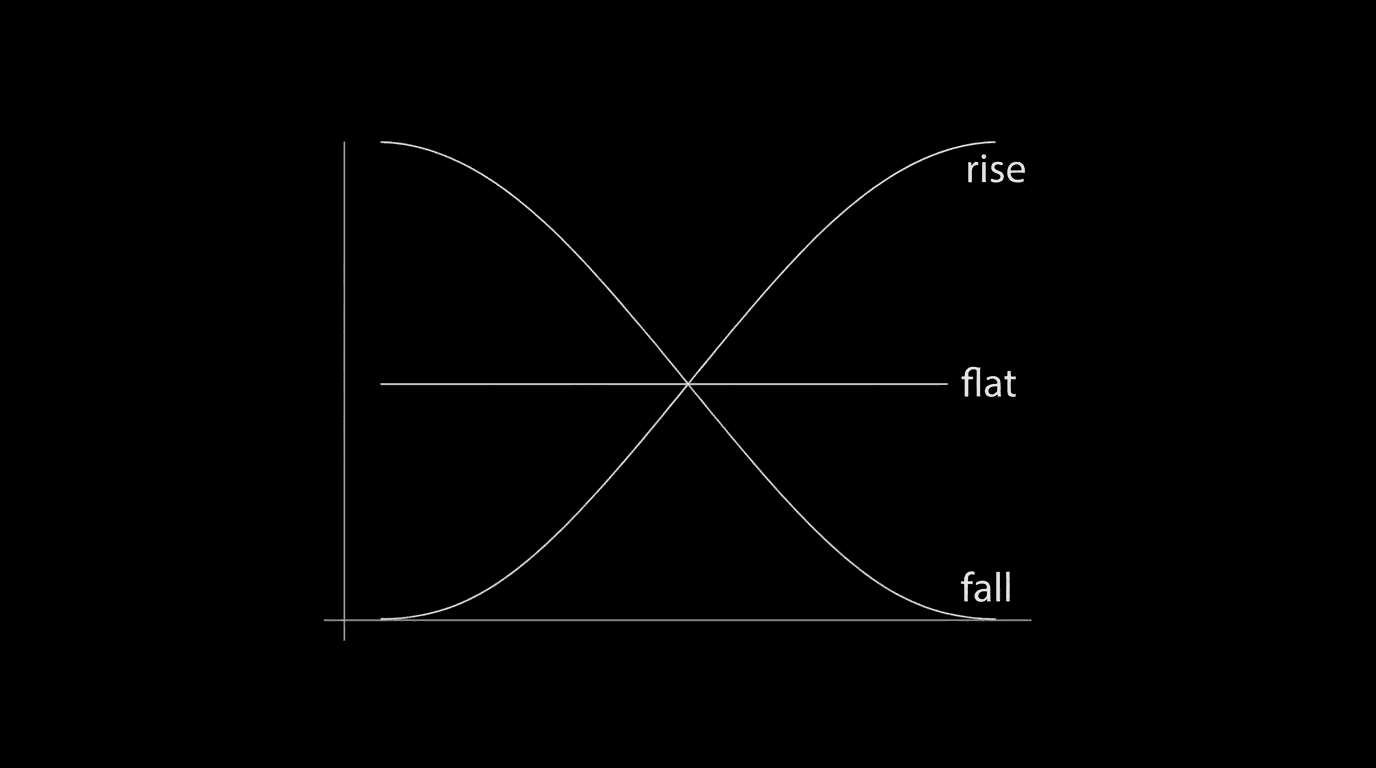
Flat, positive, and negative arcs are three outcomes. Positive: they change for the better; the climax is the choice to change. Negative: they refuse or fall; the climax is the cost. Flat: they don't change; the world changes around them; the climax is impact. Choose one. Build the protagonist and the climax to deliver it. When the arc type is clear and the ending pays it off, the audience feels the shape. When it's mixed or vague, they don't.
Final Step
Build your next script with Screenweaver
Move from ideas to production-ready pages faster with timeline-native writing and AI-assisted story flow.
Try Screenweaver