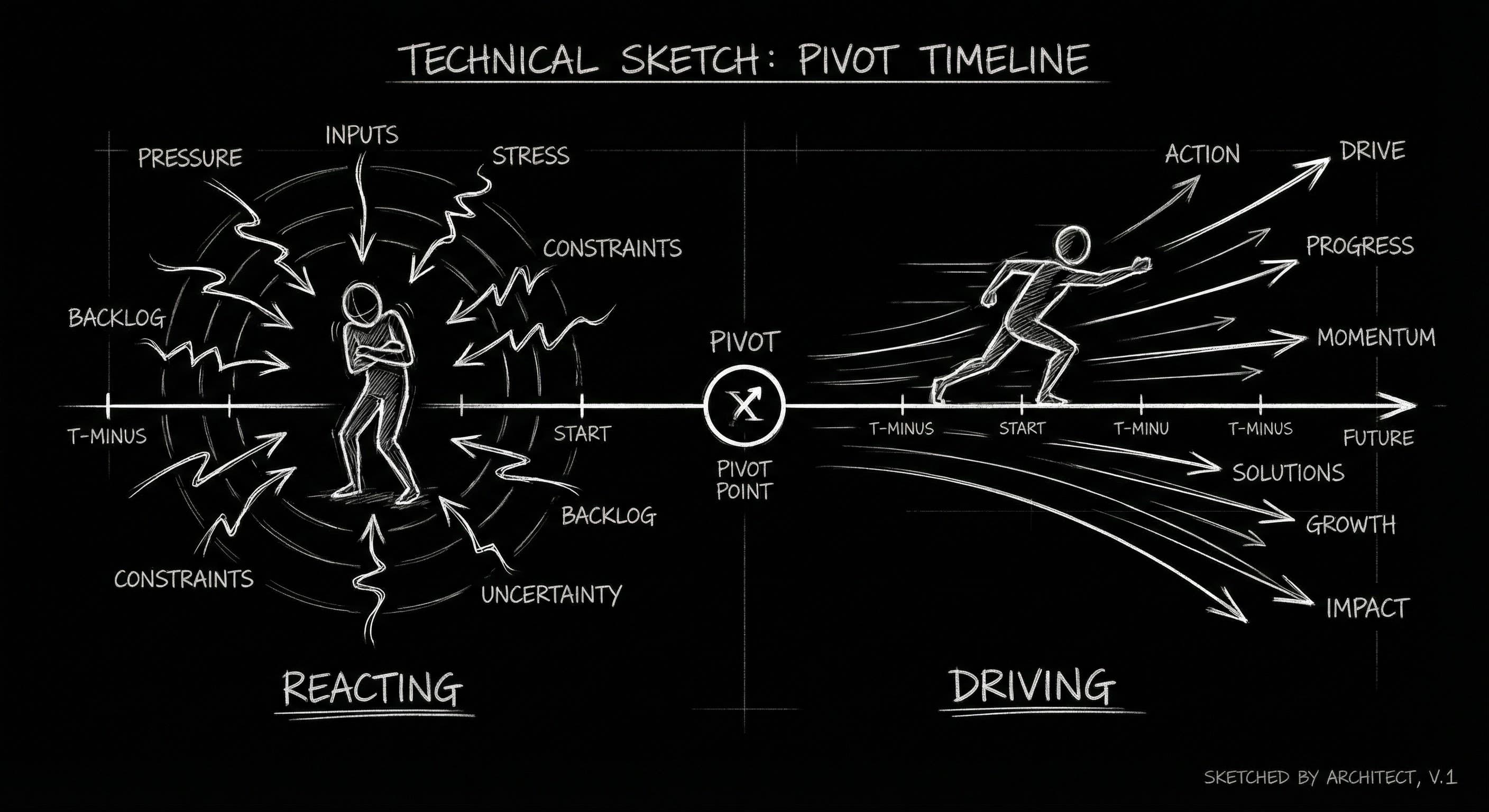

The midpoint isn't just a twist. It's a pivot. For the first half of the script, the protagonist is usually reactive. Things happen to them. They respond. They're pulled into the story. Then something shifts. New information. A loss. A revelation. A point of no return. After that, the protagonist doesn't just respond,they act. They make a plan. They go on the attack. They choose. That's the midpoint shift. It's psychological as much as plot-based. The audience feels the difference. Before the midpoint we're asking "how will they get out of this?" After the midpoint we're asking "what will they do next?" If you don't give the protagonist that turn, the second half can feel like more of the same,things happening to them, again. When you do, the second half has a new engine: the protagonist is now driving.
A lot of writers put a "big event" at the midpoint and call it done. The event is there. But the protagonist is still passive. They're still reacting to the next thing. So the midpoint has to do two jobs: something in the world changes (plot), and the protagonist's relationship to the story changes (psychological). They stop being the one who is pushed. They become the one who pushes. That can happen in one scene or across a short sequence. But it has to happen. Otherwise the midpoint is just a beat, not a turn.
Why the Midpoint Matters for Passivity
Passive protagonists are a common note. "We're 60 pages in and the main character still doesn't have a plan." "They're just responding to the antagonist." The fix isn't always to make them active from page one. Sometimes the point of the first half is that they're in over their head. They're reluctant. They're dragged in. The midpoint is where that has to change. They've been tested. They've lost something or learned something. Now they have to choose: stay in the old way (reactive, defensive) or step into a new way (active, pursuing a goal). When they step, the audience leans in. The second half isn't "more obstacles." It's "the protagonist is now the one creating the obstacles for the antagonist." Or at least trying. For a deeper breakdown of the midpoint's mechanics,false victory, false defeat, placement,see our guide on mastering the script midpoint. Here we're focused on the psychological shift: passive to active.
Relatable Scenario: The Thriller Where the Hero Is Always Running
Your protagonist is being hunted. Act 1: they're on the run. Act 2: still on the run. By page 70 the reader is tired. Every scene is "they hide, they're found, they run again." The midpoint might be a revelation: they find out who's behind it, or they find out what the antagonist actually wants. Or it might be a loss: an ally is killed, or they lose the thing they were protecting. In either case, the shift is: they stop running. They decide to turn and fight. They go from "how do I survive?" to "how do I end this?" That's the midpoint shift. The plot midpoint (revelation or loss) and the psychological midpoint (decision to act) happen together. From that point on, the protagonist is driving. They're setting traps, making alliances, going on the offensive. The second half feels different because the character has changed position in the story. For more on structuring the low that often precedes or follows this shift, see our piece on the All Is Lost moment,sometimes the shift happens after the low, as a response to it.
Relatable Scenario: The Drama Where the Protagonist Is Stuck
Your protagonist is in a bad marriage, a bad job, or a bad town. The first half is them enduring. Taking it. Maybe complaining, but not changing. The midpoint might be an external event (they're fired, they're left, they're betrayed) or an internal break (they finally see the situation clearly). The shift: they stop enduring. They make a decision. They'll leave. They'll fight back. They'll tell the truth. From that moment on, they're not waiting for the world to change. They're acting. The second half is the consequences of that action. If you don't give them that turn, the script stays in "things happen to them" mode and the audience gets frustrated. They want to see the character do something. The midpoint is when that starts.
What "Active" Actually Means
Active doesn't mean "they win every scene." It means they have a goal and they're pursuing it. In the first half they might have a goal (survive, get the job, save the relationship) but they're mostly reacting to obstacles. After the midpoint they have a clear plan or a clear choice that they're executing. They might still lose scenes. They might still be outmatched. But they're the ones making moves. The antagonist (or the world) is now reacting to them as much as they're reacting to the antagonist. That reversal is what makes the second half feel like a new phase. For stories where the protagonist starts by refusing the call, the midpoint shift is often the moment they fully commit,no more hesitation. Our guide on the refusal of the call explains why reluctance works in Act 1; the midpoint is where that reluctance has to pay off in a decision to act.
The Trench Warfare Section: What Beginners Get Wrong
A big event at the midpoint with no psychological shift. Something big happens. The protagonist is there. But they're still reactive. They're still "what do I do now?" If the midpoint is only plot, the second half will still feel passive. Ask: after this moment, does the protagonist change how they're approaching the story? If not, add a beat where they make a decision, form a plan, or commit to a new goal. The event is the trigger. The shift is the response.
The shift too early. If the protagonist is fully active by page 30, you've lost the value of the first half. The audience needs to see them in over their head before they see them take charge. The midpoint is usually around page 55–60 in a 120-page script. That's the sweet spot. Earlier and the "reactive" phase feels short. Later and the "active" phase is crushed. Place the shift in the middle.
The shift too vague. "They decide to fight." Okay,how? "They're more determined." That's not a plan. The audience needs to see a concrete change. They get a weapon. They make an alliance. They choose a target. They say the thing they've been avoiding. Give the protagonist a specific next step. That step might fail. But they had to take it. Vagueness reads as no shift.
Confusing "active" with "winning." The protagonist can become active and still lose. They can go on the attack and get beaten. The point is that they're trying. They're driving. If they become active and then immediately win every scene, the tension collapses. Let them be active and still struggle. The climax is where the active protagonist finally gets the result (or doesn't).
No cost to the shift. The decision to act should cost something. They're risking more. They're burning a bridge. They're committing to a path they can't take back. If the shift is free,no sacrifice, no risk,it feels weightless. The midpoint often works best when the protagonist has lost something (or learned something painful) and the shift is their response: "I'm not going to let that be the end."
Try it free
Try Screenweaver for free on your script
It is free. Import your existing project, get a clearer view of your outline, and regain control of your story structure in minutes.
Start FreeComparison: Before vs. After the Midpoint
| Before midpoint | After midpoint |
|---|---|
| Protagonist reacts to events | Protagonist initiates action |
| Goal is often survival or avoidance | Goal is often to win, resolve, or achieve |
| Antagonist/world sets the terms | Protagonist sets some of the terms |
| "What will happen to them?" | "What will they do?" |
Use this as a check. Read your midpoint. Then read the next 20 pages. Is the protagonist doing more than reacting? If not, strengthen the shift. For more on how the midpoint fits into the larger shape, see the 3-act structure: the midpoint sits at the hinge between the two halves of Act Two.
[YOUTUBE VIDEO: Two or three film clips showing a clear midpoint shift,the moment the protagonist stops reacting and starts acting,with on-screen labels and a brief note on what changes.]
Step-by-Step: Writing the Midpoint Shift
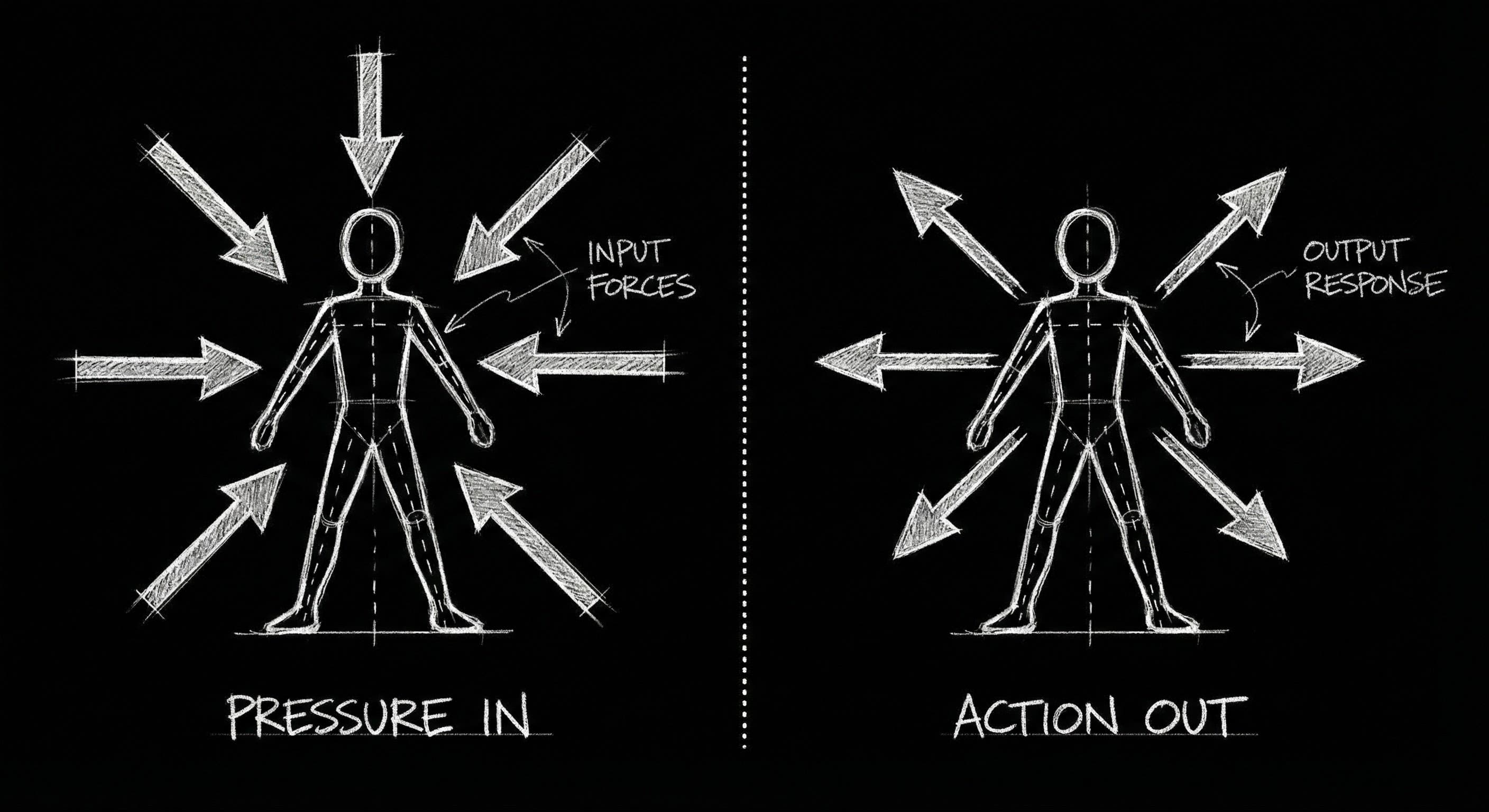
Identify the plot beat at your midpoint. What happens? (Revelation, loss, false victory, false defeat.) Now ask: what does the protagonist do in response? Not "they're sad" or "they're angry",what do they decide or do? Write that beat. They form a plan. They say "I'm going to X." They take a step. That step might fail later. But it has to happen. Now read the 10 pages after the midpoint. In each scene, is the protagonist pursuing something, or are they only responding to the next thing? If they're only responding, add a line or a beat where they state a goal or take an action that pushes the story. The midpoint shift isn't one line. It's a new mode of behavior that continues for the rest of the script. For a structural view of where this fits in a full feature, the 8-sequence approach places the midpoint at the end of Sequence 4,the turn into the second half of the film.
The Perspective
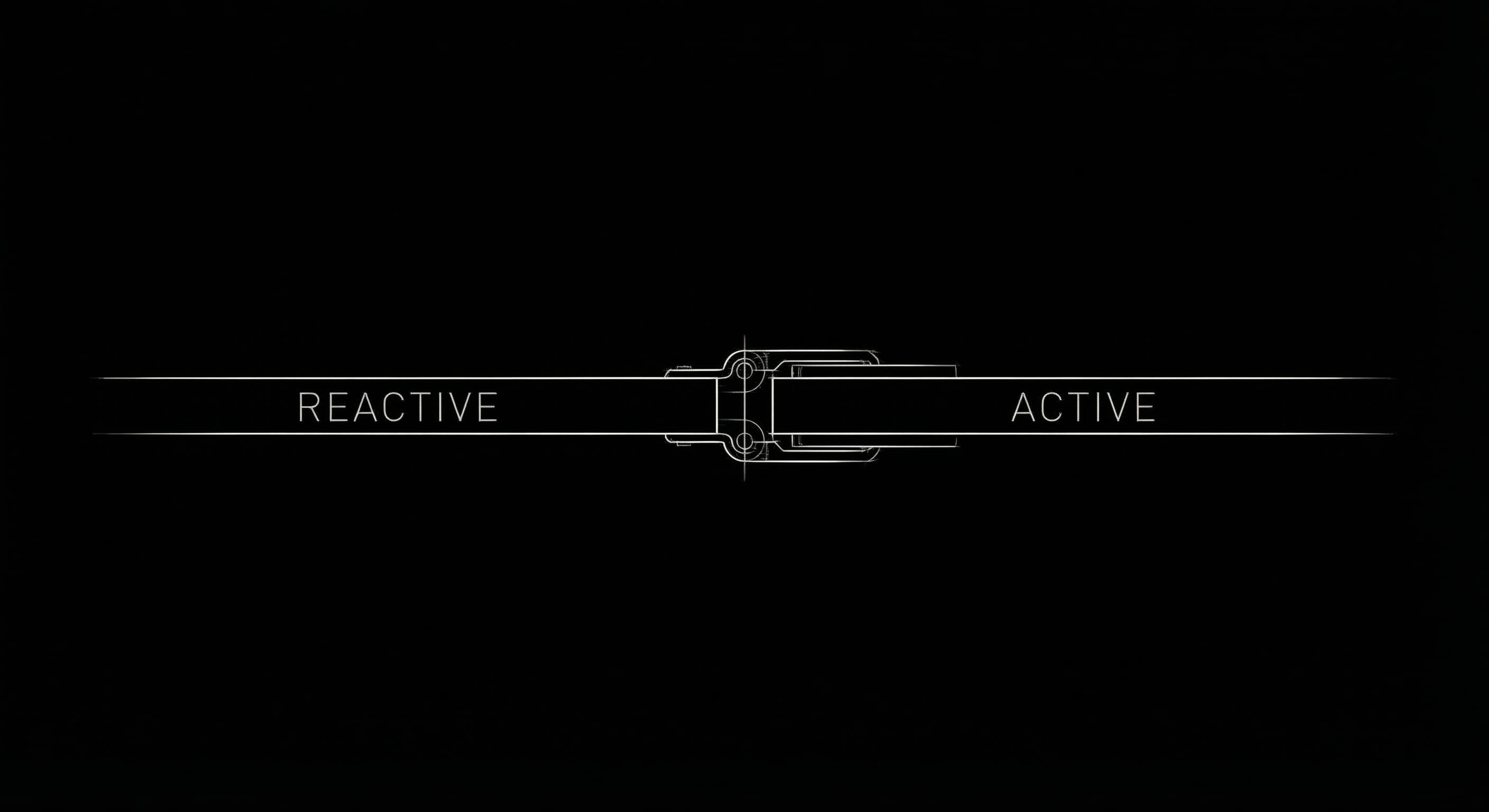
The midpoint is a pivot. Not just something that happens, but the moment the protagonist stops being pulled and starts pulling. Put the event there,the revelation, the loss, the point of no return. Then put the shift there: the decision, the plan, the commitment. The second half will feel different because the character has changed position. Passive to active. That's the midpoint shift.
Final Step
Build your next script with Screenweaver
Move from ideas to production-ready pages faster with timeline-native writing and AI-assisted story flow.
Try Screenweaver