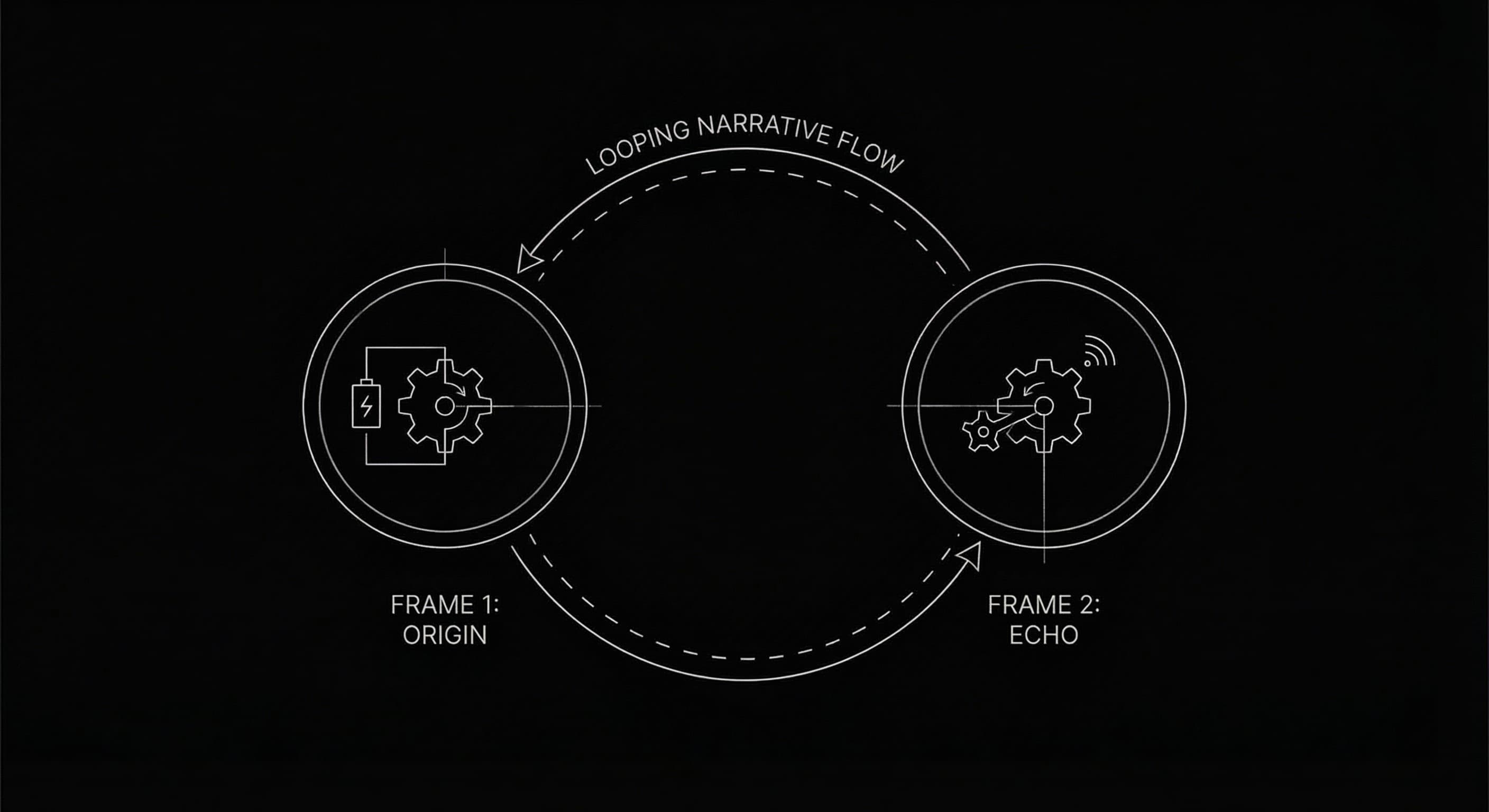

The story ends where it began. Not in plot,in meaning. The same image. The same line. The same situation,but the character is different, or we see it differently. Circular narratives close the loop. The ending doesn’t just resolve the plot. It echoes the opening. That echo creates a sense of closure. The audience feels that the story is whole. Arrival does it. So do countless others. The craft is in the setup: you plant something at the start that can become the end. Then you pay it off. The ending calls back. The circle closes. The theme lands.
A circular ending doesn’t repeat the beginning. It completes it. We return with new eyes.
Think about it. We open on a character in a place,alone, in silence, in a routine. We close on the same place. But now we know why they were there. Or now they’re there by choice. Or now we see the cost of the journey. The image is the same. The meaning is different. That’s the circle. The writer’s job is to choose an opening that can bear that weight,that can be returned to with deeper meaning. Not every story wants a circle. But when it does, the payoff is satisfaction. The audience feels that the story was designed. That every beat was leading here. Back to the start. But different.
What Makes an Ending “Circular”
A circular ending has two parts. First, the opening plants an image, a line, or a situation that is memorable and specific. It doesn’t have to be explained. It just is. A woman in a room. A man at a window. A child on a bus. A phrase. A ritual. Second, the ending returns to that image, line, or situation. When we return, we understand it differently. We have the whole story behind us. So the “same” moment is not the same. It’s the same frame with new meaning. That’s the circle. The return is the payoff. The audience feels: we’ve come back. We’ve closed the loop. The story is complete.
The return doesn’t have to be literal. It can be a variation. The opening: she leaves the house. The ending: she enters the house,or she stands at the door and doesn’t leave. The echo is in the gesture, the place, or the question. What matters is that the audience feels the connection. They don’t have to name it. They feel that the ending was always waiting. That’s thematic closure. The circle is one way to achieve it.
How to Plant the Opening So the Ending Can Pay Off
When you write the opening, you’re not just starting the story. You’re planting a seed. Ask: what image, line, or situation could I return to at the end? Choose something that can hold meaning once we know the whole story. A character alone. A question asked. A place. A object. Make it specific. Make it visual or auditory. Then write the rest of the story. When you get to the end, you don’t invent a new ending. You return to the seed. You show the same thing again,but now we see it with the weight of everything that happened. The opening was the question. The ending is the answer. Or the opening was the before. The ending is the after. Same frame. New meaning. As with theme and plot, the theme is what the story is about; the circle is one way to make that theme felt at the close. The ending doesn’t announce the theme. It embodies it by returning to the start.
A Practical Comparison
| Opening | Circular ending (example) |
|---|---|
| Woman in empty room, looking out window | Same room, same window,now we know she chose to stay, or to remember |
| Child says “Will you come back?” | Same question, or same line, from adult,we feel the years |
| Man leaves a letter on a desk | Same desk, same gesture,or he picks up the letter he never sent |
| “I don’t believe in fate.” | Same line at the end,now he does, or now he doesn’t, and we feel the arc |
The table isn’t a formula. It’s a pattern. You plant. You return. You let the return carry the weight. Our guide on character arcs applies: the character changes. The circle works when the same image or line shows us that change. They’re in the same place,but they’re not the same person. That’s the payoff.
Relatable Scenario: The War Film
We open on a soldier in a trench. Dawn. Silence. We don’t know who he is or what’s coming. We close on the same trench. Or a similar one. He’s still there,or we’re with someone else in that place. Now we know what happened. The silence means something different. The circle closes. We’ve returned with the weight of the story. The opening was promise. The ending is memory,or cost. Same image. New meaning.
Try it free
Try Screenweaver for free on your script
It is free. Import your existing project, get a clearer view of your outline, and regain control of your story structure in minutes.
Start FreeRelatable Scenario: The Relationship Story
We open on a couple at breakfast. They’re not talking. Something is wrong. We don’t know what. We close on the same kitchen. Same table. Maybe they’re talking now. Maybe one of them is gone. Maybe they’re not talking but we understand why. The circle is the return to the table. The opening was the question. The ending is the answer. We’ve come back. The story is complete.
The Trench Warfare Section: What Beginners Get Wrong
Planting something vague. The opening has a “mood” but no specific image or line. So when you try to return, there’s nothing to return to. Fix: Choose one concrete thing. One image. One line. One place. Make it specific so the ending can echo it. Vague openings don’t close circles. Specific ones do.
Forcing the return. The story doesn’t naturally end where it began. So you force the character back to the same location and it feels contrived. Fix: If the story doesn’t want a circle, don’t force it. Not every story is circular. If you want a circle, plant the opening with the end in mind. The return should feel inevitable, not tacked on.
Returning without new meaning. We end in the same place, but we don’t understand it differently. The circle is just repetition. Fix: The return has to carry the weight of the story. We have to see the opening again with new eyes. The character has changed. Or we have. The same image, new meaning. That’s the point.
Using the same line with no twist. The character said “I’ll never go back” at the start. They say “I’ll never go back” at the end. So what? Fix: The return has to reframe. Maybe they say it again but now we know they’re wrong,or right. Maybe someone else says it. Maybe they say the opposite. The echo has to add meaning. Otherwise it’s just a callback, not a circle.
Ignoring the opening when you write the end. You wrote the opening months ago. You forgot what you planted. So the ending doesn’t return to anything. Fix: When you draft the ending, re-read the opening. What did you plant? Return to that. Make the circle close. The audience will feel the design.
Step-by-Step: Building a Circular Ending
When you outline or draft the opening, choose one image, line, or situation that could be returned to. Write it. Make it specific. Then write the rest of the story. When you reach the end, don’t invent a new final image. Return to the opening. Show the same thing again,same place, same gesture, same line,but with the full story behind it. Read the opening and the ending back to back. Do we feel the echo? Do we feel that the ending completes the beginning? If the return feels forced, you may need to adjust the opening so the return is inevitable. If the return feels weak, you may need to make the opening more vivid so the echo lands. The circle is a design choice. When it works, the audience feels the story was whole from the start. Our guide on Kishōtenketsu offers another way to think about non-linear satisfaction; the circle is the return. Use it when the story wants to close the loop.
[YOUTUBE VIDEO: Arrival or similar,how the opening image and the closing image form a circle, and what that does for the audience.]
The Perspective
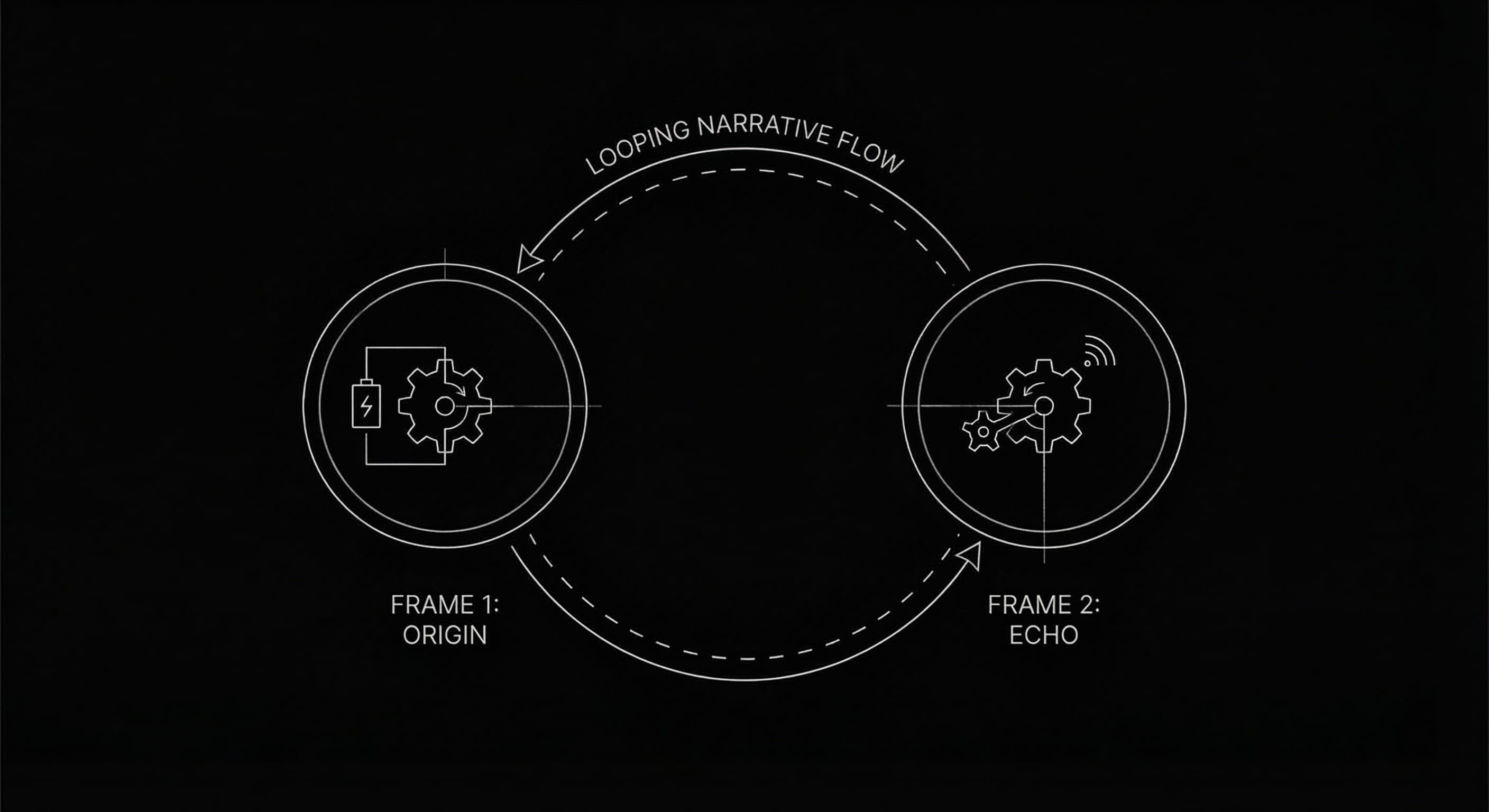
A circular narrative doesn’t just end. It returns. The opening plants something. The ending comes back to it,same image, same line, same place,but now we see it with the weight of the whole story. When you get it right, the audience feels the closure. The story was designed. We’ve been here before. But we’re not the same. That’s the circle. That’s the payoff.
Final Step
Build your next script with Screenweaver
Move from ideas to production-ready pages faster with timeline-native writing and AI-assisted story flow.
Try Screenweaver