

The audience trusts the teller. Then they realize the teller has been lying, or leaving things out, or seeing the world wrong. That shift, from trust to doubt, is the unreliable narrator. Not a gimmick. A contract. You're asking the audience to experience the story through a distorted lens and then to feel the moment when the distortion becomes visible. Done well, it's devastating. Done badly, it feels like a trick. The craft is in how you signal the unreliability without giving it away. You want the reader to feel smart when they catch it, not cheated. Here's how to write through a distorted lens and land the reveal.
The unreliable narrator works when the audience has enough to doubt, but not enough to be sure, until the story wants them to be sure.
Think about it this way. In life we're all unreliable. We minimize our faults. We reshape memories. We tell the story that makes us the hero. On the page, the unreliable narrator does that deliberately. The audience gets one version. Later they get another. The gap between versions is where the meaning lives. The key is planting doubt without planting the answer. Small inconsistencies. Details that don't add up. A tone that's slightly off. The audience should be able to re-read and see the clues. They shouldn't see them so clearly on first read that the reveal is obvious. Our guide on inner monologue vs voiceover touches on how the narrator's voice shapes what we believe; unreliability takes that one step further. This piece is about the techniques that make the distortion feel earned.
Why Unreliability Is Hard to Pull Off
The audience enters a story willing to believe the teller. If the teller is the protagonist, or the voiceover, or the POV we're stuck in, we adopt their view until we have a reason not to. Unreliability requires you to undermine that trust while still keeping the audience engaged. If you undermine too early, the audience distances and the story loses emotional punch. If you undermine too late, or only at the end in one big twist, the audience can feel cheated: "You never gave me a chance to doubt." The sweet spot is a slow accumulation of unease. Something doesn't fit. Then another thing. The audience might not name it. They feel it. When the reveal comes, they're not shocked that the narrator was wrong, they're shocked at how wrong, or at what it means. The clues were there. They just didn't have the key.
Another risk: the narrator who's unreliable for no reason. They lie because the script needs a twist. There's no psychology, no wound, no motive. That feels mechanical. The best unreliable narrators have a reason to distort. They're protecting themselves. They're rewriting trauma. They're convinced of a story that isn't true. The distortion is character. When you know why they're unreliable, you know what to show and what to hide, and what the reveal will cost them.
Relatable Scenario: The Thriller Where the Protagonist Is Hiding Something
Your POV character is the only one we're with. We see what they see. We hear what they think. Halfway through we learn they've been omitting a crucial fact, they were there the night of the murder; they knew the victim; they're not the innocent they've presented. If that omission comes out of nowhere, the audience feels tricked. If we've had a chance to feel that something was off, a detail that didn't fit, a moment they changed the subject, a reaction that was too strong or too flat, then the reveal feels like a discovery. Technique: plant one or two inconsistencies early. A line that could mean two things. A scene that's slightly too neat. Let the audience file it away. When the truth lands, they remember. They had the pieces. They didn't have the picture. For more on structuring reveals, see our guide on family secrets: the same slow-drip strategy works for unreliability.
Relatable Scenario: The Drama Where the Narrator Is in Denial
The character isn't lying to us. They're lying to themselves. They believe their version. We're in their head, so we believe it too, until the world contradicts them. A friend says, "You weren't there for her." The character thinks, "That's not true." But we've seen the scenes. We can count the times they weren't there. The unreliability is self-deception. The audience sees the gap before the character does. The payoff is when the character finally sees it, or when they don't, and we're left with the tragedy of their blindness. Technique: show the audience evidence that contradicts the narrator's self-image. Don't have another character explain it. Let the scenes do the work. The narrator can dismiss or reframe. We still see what we see. For character change that hinges on this kind of recognition, see character arcs and want vs need: the need is often what the unreliable narrator can't admit.
Relatable Scenario: The Memory Piece Where the Past Is Shaped by the Present
The story is told in flashback or voiceover. The narrator is older, looking back. Memory is selective. They're telling the story the way they need to tell it. So the "facts" might be wrong, or the emphasis might be wrong. We get the story they believe. Later we get a detail that reframes it. Maybe someone else was there. Maybe the narrator's role was different. The unreliability isn't malice. It's how memory and need shape narrative. Technique: give the narrator a stake in the version they're telling. What do they need to believe? Protect? Avoid? Plant one moment where the remembered version is too perfect, or too damning of someone else, or too kind to the narrator. The audience doesn't have to catch it the first time. On re-read or in the moment of reveal, it should click. For how to handle flashbacks without killing pace, see flashbacks.
The Trench Warfare Section: What Beginners Get Wrong
Revealing unreliability only in the final twist. The whole script plays straight. Then the last scene: "I was the killer all along." The audience had no way to doubt. Fix: Plant at least two or three moments earlier where something doesn't add up. A detail that's wrong. A reaction that's off. A gap in the timeline. The audience might not interpret them until later. But they have to exist. Re-read should reward.
Making the narrator randomly unreliable. They lie about one thing, tell the truth about everything else, and the lie exists only for the twist. Fix: Ground the unreliability in character. Why do they distort? Protection? Guilt? Delusion? Once you know the motive, you know what they'd hide, minimize, or reshape. The unreliability becomes consistent, a pattern, not a single lie.
Using other characters to explain the unreliability. "She's always been a liar." "You know he sees things differently." That's telling. Fix: Show the gap. Put the audience in a position where they can compare what the narrator said with what we saw, or with what another character does. Let the audience make the connection. The moment they think "wait, that doesn't fit" is the moment the technique is working.
Making the narrator so unreliable we stop caring. If we can't trust anything, we disengage. Fix: Keep a core that's reliable. The narrator might be wrong about their own role, or about another character, or about the meaning of events. But the world has rules. The physical events (who was where, what happened) can have a true version. The unreliability works best when it's partial, when we're wrong about one big thing, not everything.
Forgetting the emotional cost of the reveal. The twist lands. So what? If the narrator's unreliability doesn't cost them something, or cost us something, the technique is just clever. Fix: The reveal should change how we feel about the narrator, or about the story we've just seen. It should hurt, or reframe, or force a new question. Unreliability without consequence is a puzzle. With consequence, it's drama.
Try it free
Try Screenweaver for free on your script
It is free. Import your existing project, get a clearer view of your outline, and regain control of your story structure in minutes.
Start FreeHow to Signal Unreliability (Without Giving It Away)
| Signal | How it works |
|---|---|
| Inconsistency | Narrator says X; we saw Y. Or they say X here and something that doesn't fit later. |
| Omission | We realize they never mentioned something we had a right to know. A character, an event, their presence. |
| Tone | The tone is too flat for what happened, or too intense for what they're describing. We feel the mismatch. |
| Other characters | Someone else reacts in a way that doesn't fit the narrator's version. We notice the gap. |
| Detail that doesn't fit | One small fact, a time, a place, an object, that contradicts what we've been told. |
Use one or two. Don't stack them so high that the audience sees the twist coming.
Step-by-Step: Planting and Paying Off Unreliability
First: Decide what the narrator is wrong about. One big thing. (They were the cause. They weren't the victim. They weren't there. They were there and did nothing.) Second: Decide why they're wrong. Denial? Guilt? Protection of someone? That motive tells you what they'd hide or reshape. Third: In Act 1, plant one moment that could be read two ways, or one detail that's slightly off. Don't underline it. Fourth: In Act 2, add another. A reaction that doesn't fit. A line that contradicts an earlier line. Let the audience file it. Fifth: In the reveal, don't just state the truth. Show the moment the narrator can't sustain the lie, or the moment we see the missing piece. The emotional beat is "we had the pieces; now we have the picture." Sixth: After the reveal, give the story a consequence. How does the narrator (or the audience) change? Without that, the unreliability is a trick. With it, it's a lens.
[YOUTUBE VIDEO: Same scene written two ways, reliable narrator and unreliable narrator, with a breakdown of which lines and beats plant doubt.]
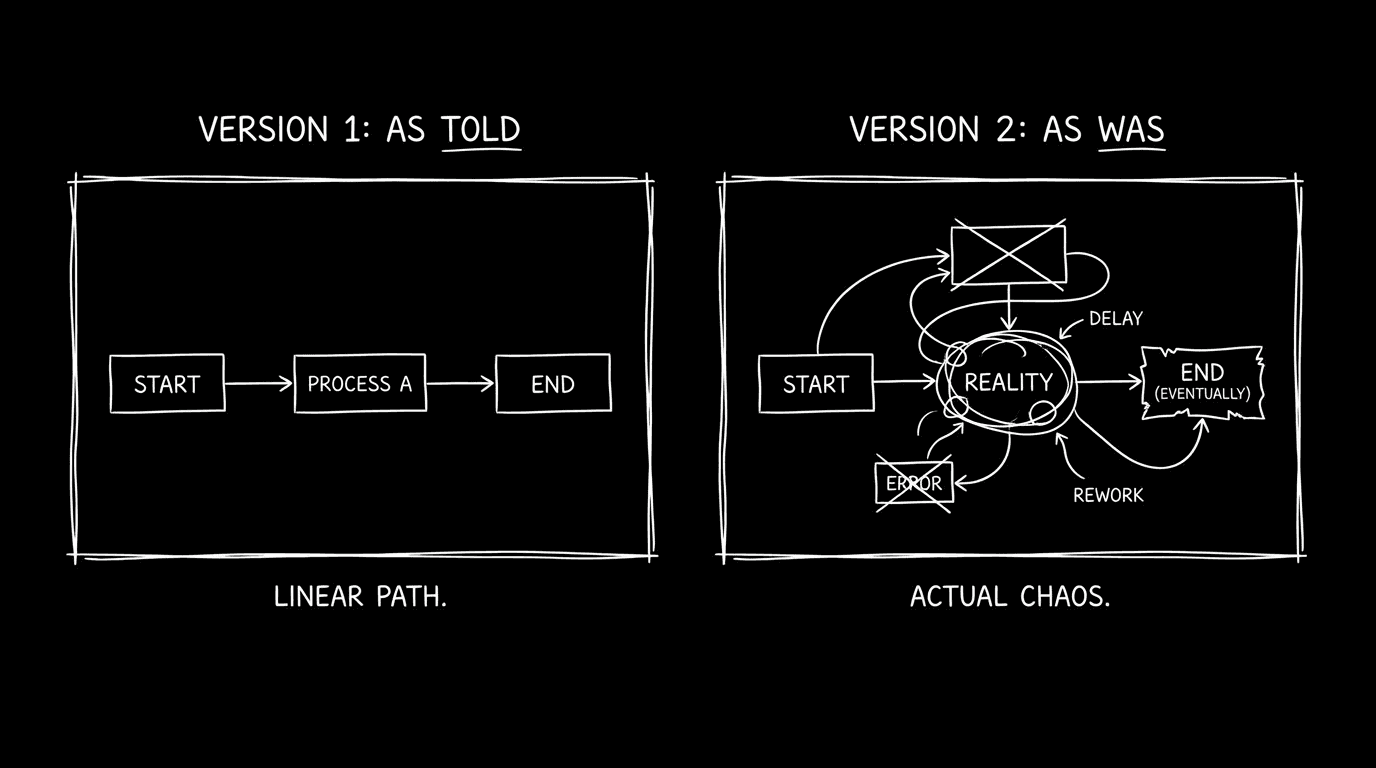
Unreliable Narrator vs. Twist
A twist is a single reversal. "The best friend was the villain." The narrator might have been reliable the whole time; we just didn't have the information. Unreliability is different: the teller was the problem. We had their version. Their version was wrong. So the fix isn't "give us more information." It's "we had the information; we were seeing it through a distorted lens." When you're building a twist, ask: Is the audience surprised because they didn't know, or because they trusted the wrong teller? If it's the latter, you're in unreliable-narrator territory, and you need to plant the possibility of doubt before the payoff.
The Perspective
The unreliable narrator works when the audience has enough to doubt, but not enough to be sure, until you want them to be sure. Ground the unreliability in character: why do they distort? Plant two or three small inconsistencies or omissions. Let the reveal change how we feel about what we've seen. And keep something reliable so we don't disengage. When the distortion is intentional and the payoff is emotional, the technique earns its place. When it's a last-page trick, it doesn't.
Final Step
Build your next script with Screenweaver
Move from ideas to production-ready pages faster with timeline-native writing and AI-assisted story flow.
Try Screenweaver