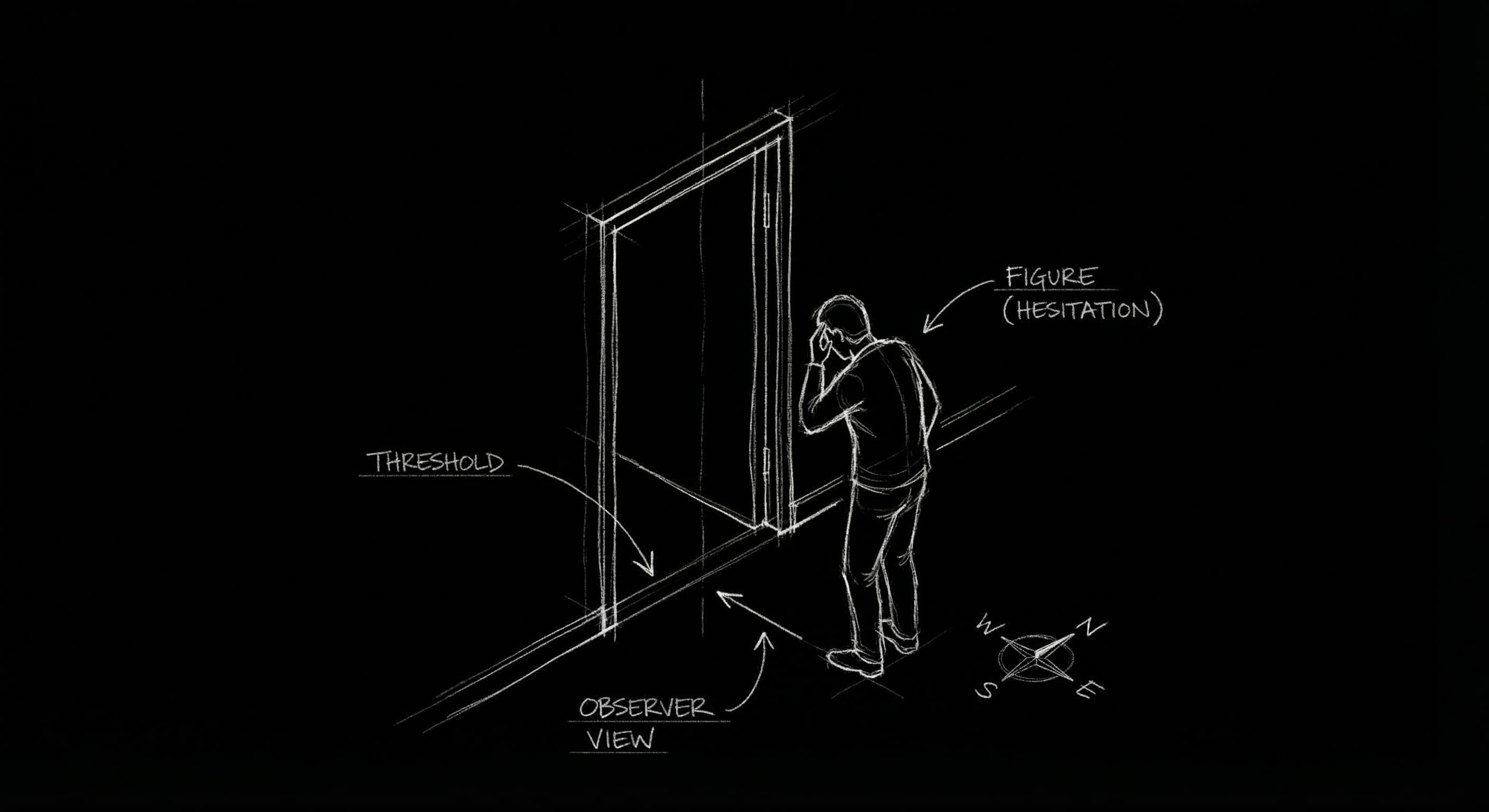

The call comes. The hero says no. They have reasons. They're scared. They're comfortable. They don't believe they're the one. That refusal isn't a delay. It's the thing that makes us care. When a character jumps at the first invitation to adventure, we might go along,but we don't feel the cost. When they refuse, we see what they're risking. We see what they're giving up. We see the moment they finally say yes,and we know it meant something. The refusal of the call is a beat from the Hero's Journey, but it works in any structure. It's the moment the protagonist could stay in the ordinary world. They choose not to,or they're forced across the threshold. Either way, the refusal makes the choice (or the push) matter. Skip it and the hero feels like a volunteer. Include it and the hero feels like a person.
Reluctance is human. We don't want to leave our comfort zone. We don't want to risk what we have. We don't believe we're qualified. When the protagonist shares that reluctance, the audience recognizes themselves. They're not watching a superhuman who was always ready. They're watching someone like them,someone who had to be pushed, or who had to find a reason to say yes. The psychology is simple: we trust characters who have something to lose. The refusal is where we see what they're losing. For more on when the protagonist finally commits,often at or after the midpoint,see our guide on the midpoint shift. The refusal sets up that shift. They said no once. When they say yes (or when they're forced to act), we feel the change.
What the Refusal Actually Does
It establishes stakes. The protagonist has a life. A job. A family. A fear. When they refuse the call, we see what they're protecting. When they eventually cross the threshold, we know what they've left behind. It creates empathy. We've all said no to something hard. We've all hesitated. The refusal makes the hero one of us. It raises the bar for the "yes." When they finally commit, it's not casual. They've said no. Something had to change,external pressure, loss, or internal shift,for them to say yes. That makes the commitment feel earned. It clarifies the threshold. The refusal often happens at the door. So when they cross it, we know exactly what "crossing" means. Before/after. Ordinary world/special world. The line is clear. For stories that use the Hero's Journey, this beat is part of the template; for a critique of when that template fits and when to go beyond the Hero's Journey, see our piece on modern paradigms. The refusal still works in many of them,reluctance isn't unique to the monomyth.
Relatable Scenario: The Detective Who Doesn't Want the Case
The detective is retired. Or they're on leave. Or they're done with "that kind" of case. The call comes: one more job. They refuse. "I'm out." "Not my problem." "Find someone else." We see why. They're tired. They're hurt. They've lost someone before. The refusal tells us what the case will cost them if they take it. Then something changes. The victim is someone they know. Or the person asking is someone they can't say no to. Or they refuse and the situation gets worse,and they can't look away. Now they're in. The audience has felt the refusal. So when they take the case, we feel the weight. We know they didn't want it. We know what it means that they're in. For more on the low that often comes later,when the case seems lost,see our piece on the All Is Lost moment. The refusal sets up the cost; the all-is-lost is when that cost comes due.
Relatable Scenario: The Ordinary Person Dragged Into the Plot
Your protagonist isn't a cop or a soldier. They're a parent, a teacher, a driver. The call is literal or figurative: they witness something, they're asked to help, they're the only one who can do the thing. They refuse. "I don't want to get involved." "That's not my job." "I have a family." We see their life. We see why saying yes would be crazy. Then the refusal is broken,by guilt, by threat, by the refusal making things worse. They're in. The audience has seen the reluctance. So we believe the journey. We know they didn't choose this lightly. That's why refusal matters. It's the "before" that makes the "after" matter. For a structural view of where this fits in a feature, the inciting incident is often the call; the refusal is the protagonist's first response, and the break of the refusal (the push across the threshold) is what locks them into Act Two.
The Trench Warfare Section: What Beginners Get Wrong
Skipping the refusal. The protagonist gets the call and says yes. Fine. But we've lost the chance to see what they're risking and to feel the cost of the journey. Unless the story is specifically about someone who's too eager (and that's the flaw), give them a moment of refusal. Even a short one. "I can't." "Not me." "I'm not the one."
Making the refusal too long. We need to see it. We don't need 20 pages of them saying no. One scene. Maybe two. They're asked. They refuse. We see why. Then something changes and they're in. If the refusal drags, the audience gets impatient. They want the story to start. So make the refusal clear and concise. One beat of "no." Then the push.
No clear "push." The protagonist refused. So what gets them across the threshold? If they just change their mind for no reason, it feels arbitrary. There has to be a push: external (they're forced; the situation gets worse; someone else is hurt) or internal (they realize they can't live with saying no). Name the push. Show it. The audience needs to believe why they're in the story now.
Refusal without stakes. If we don't see what they're refusing,what they have to lose,the refusal is empty. Show their ordinary world. Show what they're protecting. Then when they refuse, we understand. When they cross, we feel what they've left. For more on the ordinary world and the threshold, the 3-act structure lays out Act 1 as setup and inciting incident; the refusal sits between the call and the threshold crossing.
Hero too eager after refusal. They refused. Then they're in. But if they're suddenly gung-ho and never look back, the refusal feels like a fake beat. Let them carry some reluctance into Act Two. They're in, but they're not happy about it. They're still scared. That makes the midpoint shift,when they finally commit fully,land harder. The refusal sets up the journey. The midpoint shift is when they stop resisting the journey.
Try it free
Try Screenweaver for free on your script
It is free. Import your existing project, get a clearer view of your outline, and regain control of your story structure in minutes.
Start FreeComparison: With vs. Without Refusal
| With refusal | Without refusal |
|---|---|
| We see what the protagonist is risking | We don't know what they're leaving |
| The "yes" (or the push) feels earned | The protagonist feels like a volunteer |
| We empathize,we've all hesitated | We watch; we may not feel |
| Threshold is clear (they crossed a line) | Threshold can feel vague |
Use the left column as a goal. The refusal doesn't have to be long. It has to be present. One scene. Clear stakes. Then the push. For more on how the protagonist's psychology fits into the full arc, see character arcs: the refusal often ties to the character's flaw or fear that will be tested later.
[YOUTUBE VIDEO: Two or three film clips showing a clear "refusal of the call",the protagonist says no, we see why, then the push that gets them into the story,with on-screen labels.]
Step-by-Step: Writing the Refusal Beat
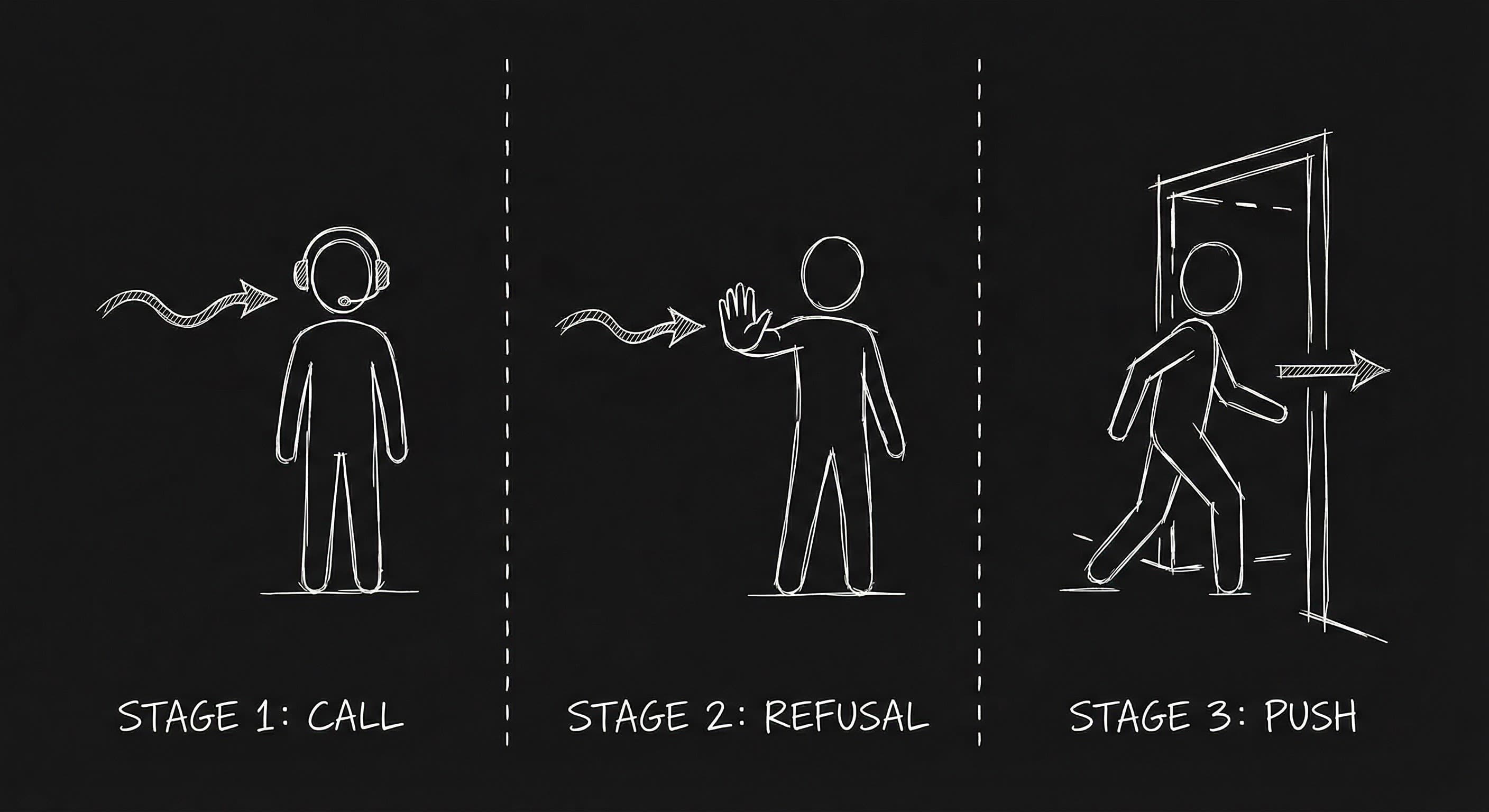
Identify the call. What's the invitation or the inciting incident? Now write one scene where the protagonist refuses. Show why. One reason. Fear, duty to someone else, disbelief. Keep it to one scene,maybe two at most. Now identify the push. What breaks the refusal? Force, guilt, escalation, or a realization. Write that beat. The push can be the same scene as the refusal (they refuse, then the situation explodes and they're in) or the next scene. Read it back. Do we see what they're risking? Do we believe why they said no? Do we believe why they're in now? If yes, the refusal is doing its job. For a parallel beat,the emotional low before the final push,see our guide on writing the Dark Night of the Soul. The refusal is the "no" at the start; the dark night is the "can I go on?" in the middle. Both make the eventual commitment matter.
The Perspective
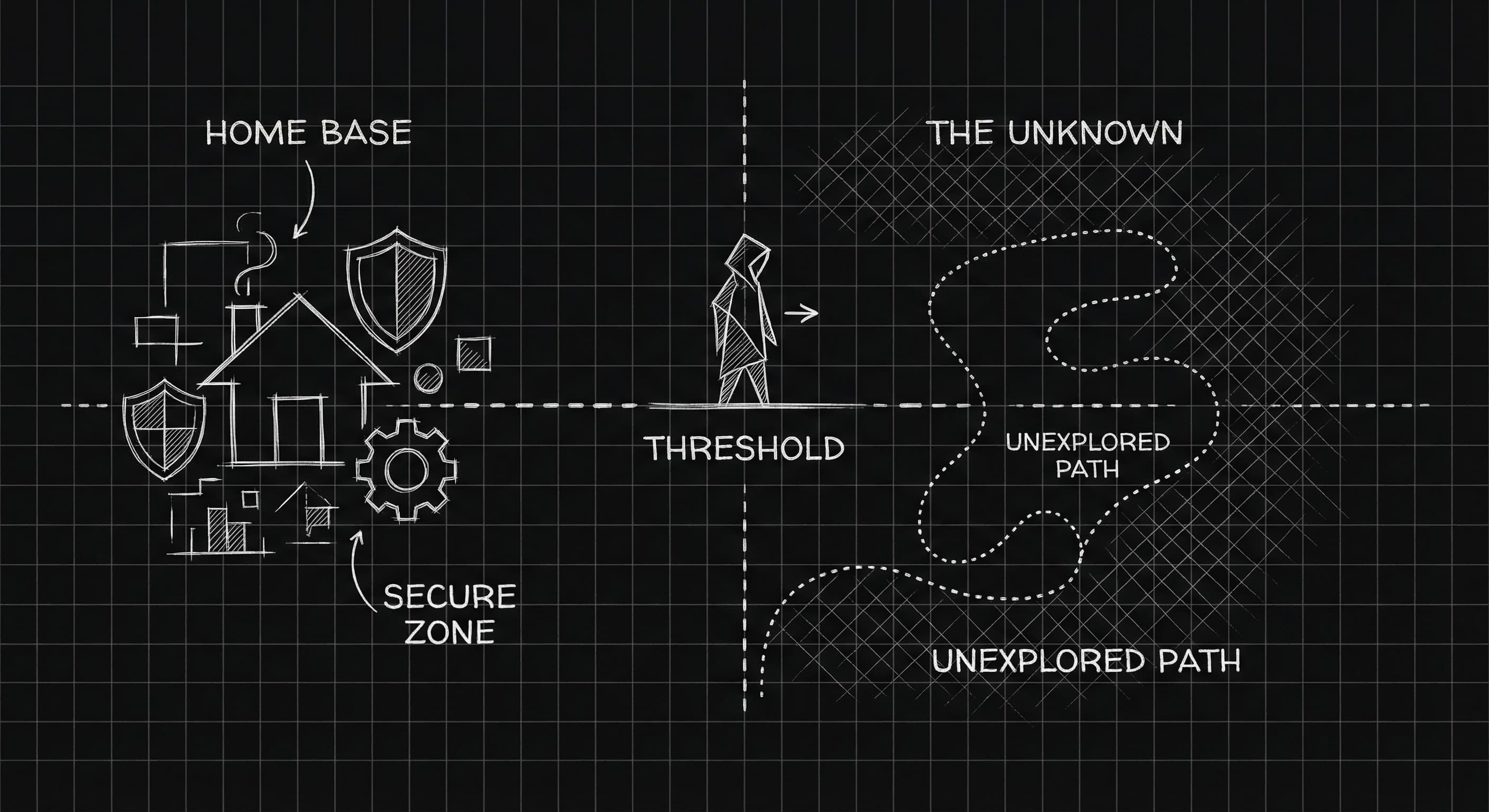
The refusal of the call isn't a formality. It's the beat that makes the hero human. We see what they're risking. We see them hesitate. We see the push that gets them across. When they're finally in the story, we feel the weight of that choice,because they said no first. Give them the refusal. Make it clear. Make the push real. The rest of the script will lean on it.
Final Step
Build your next script with Screenweaver
Move from ideas to production-ready pages faster with timeline-native writing and AI-assisted story flow.
Try Screenweaver