
Hero image prompt: Dark mode technical sketch. Solid black background, thin white hand-drawn lines. A single timeline with a loop or a branch, clear, minimal. One set of rules. No neon. Minimalist, high-contrast.
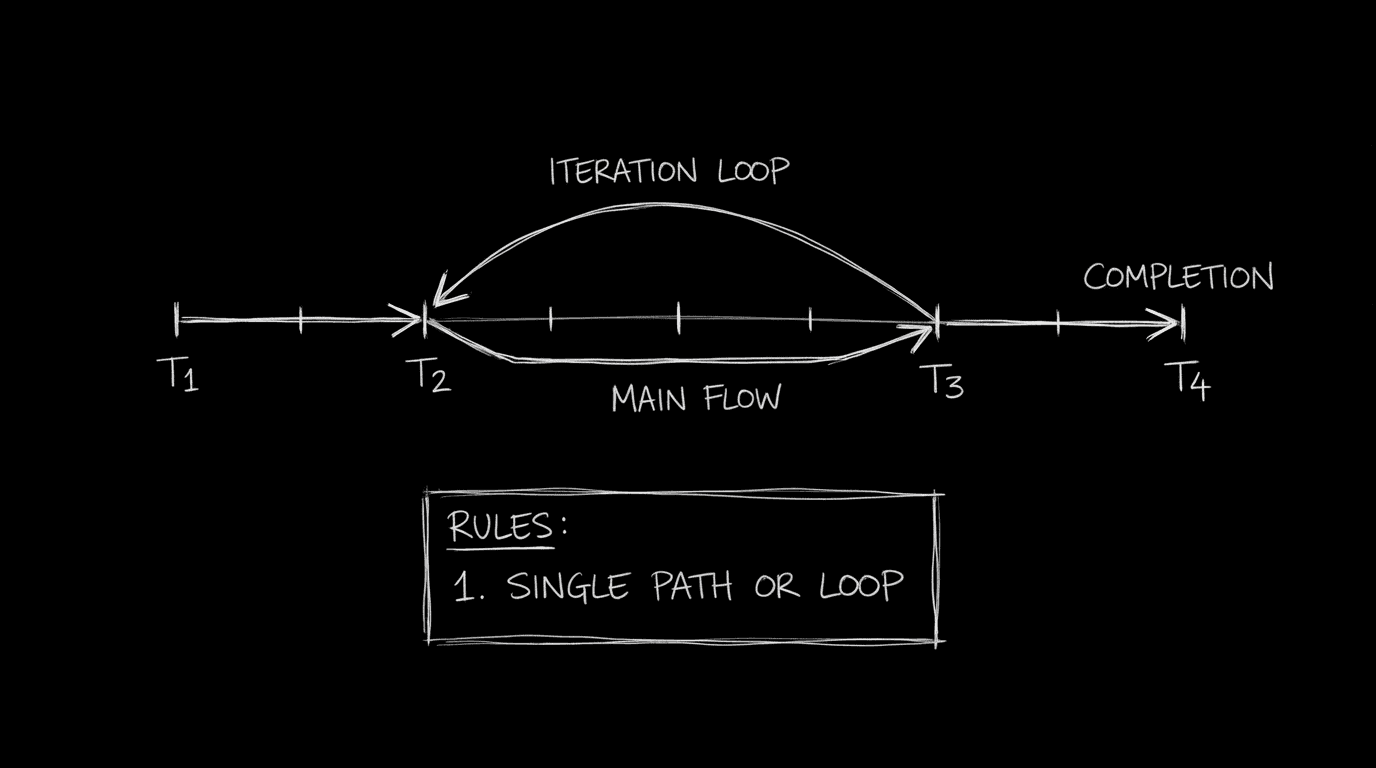
They go back. They change something. What happens? Does the past rewrite? Do they create a branch? Do they always have been there? The audience will ask. If you don’t have an answer, a consistent set of rules, they’ll catch the contradictions. Time travel stories live or die on logic. Here’s how to build a set of rules and stick to them.
The audience doesn’t need to understand the physics. They need to understand the rules. What can happen? What can’t? What’s the cost? When the rules are clear and consistent, the audience can follow. When they’re vague or broken, the audience checks out.
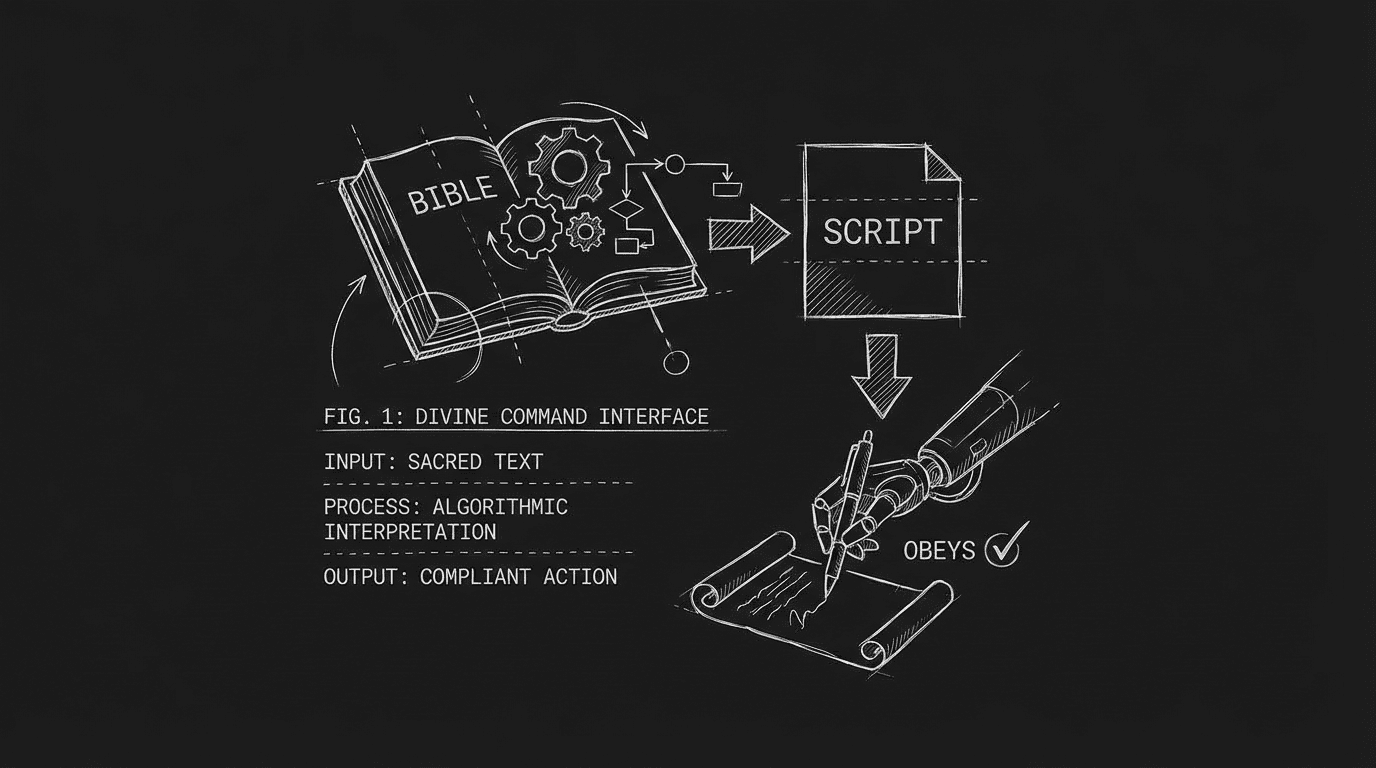
Think about Back to the Future. The rules are simple. You can go back. Changing the past changes the future (and can erase you). Don’t meet your past self. The rules are established early. The story plays within them. When the rules are broken (Marty’s photo fades), it’s a consequence we understand. Or Primer: the rules are complex, but they’re there. The audience works to keep up. The reward is that it holds together. The worst time travel stories are the ones where the writer needed something to happen and changed the rules to allow it. The audience feels the cheat. Our guide on worldbuilding and the bible is where you write the rules down; the script is where you obey them. For more on earning twists, see the twist ending and revelation list, time travel twists only work if the rules supported them all along.
Types of Time Travel (And What They Allow)
Single timeline (fixed). The past is fixed. Whatever happened, happened. If you go back, you were always part of what happened. You can’t change the past, you’re part of it. Stories: 12 Monkeys, Predestination. The drama is in the inevitability. The character might try to change things. They can’t. Or their attempt to change is what caused the thing they wanted to prevent. For more on structure that supports inevitability, see circular narratives and endings that call back.
Multiple timelines (branching). When you change the past, you create a new branch. The old timeline might still exist. You might not be able to return to it. Stories: Avengers: Endgame, Loki. The drama is in the cost of change. What did we lose? What did we create? For more on consequence and choice, see the “all is lost” moment.
Rewrite (replacement). When you change the past, the future is rewritten. There’s only one timeline. It gets replaced. Stories: Back to the Future. The drama is in the risk. Change too much and you might not exist. Or someone you love might not exist. For more on stakes and consequence, see writing magic systems and cost, time travel often has a cost.
Hybrid or custom. You can invent your own rules. Can they meet themselves? Can they bring things back? Is there a cost (aging, memory, one trip only)? The key is: write the rules down. Put them in the bible. Don’t break them. For more on the bible, see worldbuilding 101.
| Type | Rule | Drama |
|---|---|---|
| Fixed | Past is fixed; you were always there | Inevitability; can’t change, or trying to change causes it |
| Branching | Change creates new branch; might not return | Cost of change; what we lost or created |
| Rewrite | Change rewrites future; one timeline replaced | Risk; might erase self or others |
| Custom | Your rules (meetings, cost, limits) | Whatever your rules allow |
Relatable Scenario: The Script Where the Rules Change
You’ve established that changing the past rewrites the future. Then in act three the character needs to meet their past self. So you let them. But earlier you said they couldn’t, or the logic suggested they couldn’t. The audience feels the shift. Fix: decide the rules before you write the climax. Can they meet themselves? What happens if they do? Put it in the bible. When you get to act three, the solution has to work within the rules. If it doesn’t, go back and fix the rules (and every scene that depended on the old rules) or fix the climax. For more on consistency, see hard sci-fi vs space opera, time travel is a form of “tech” with rules.
Try it free
Try Screenweaver for free on your script
It is free. Import your existing project, get a clearer view of your outline, and regain control of your story structure in minutes.
Start FreeRelatable Scenario: The Script Where the Rules Are Never Clear
The character can time travel. We don’t know how. We don’t know what happens when they change something. We don’t know the cost. So when they do something in act three, we have no idea if it’s possible or what it means. Fix: establish the rules in the first act. One scene. They use the ability. We see what happens. We see the cost (if there is one). After that, every use obeys the same rules. The audience doesn’t need a lecture. They need to see the rules in action once. For more on delivering rules without lecturing, see exposition in fantasy.
The Trench Warfare Section: What Beginners Get Wrong
Paradox without rules. The character creates a paradox. We don’t know how the world handles it. So we don’t know what to feel. Fix: decide how your world handles paradox. Does it prevent it? Does it create a branch? Does it erase the traveler? One rule. Stick to it. For more on building the world’s logic, see worldbuilding 101.
Using time travel to fix everything. The character has unlimited do-overs. There’s no cost. There’s no limit. The stakes disappear. Fix: add a cost or a limit. One trip. Aging. Memory loss. Or the change has unintended consequences. When time travel costs something, the story has tension. For more on cost and conflict, see writing magic systems.
Explaining too much. The character delivers a lecture on the physics. The audience tunes out. Fix: show the rules once. One use. One consequence. The rest is inference. For more on exposition, see exposition in fantasy.
Ignoring the emotional logic. The rules are consistent but the character’s choices don’t make sense. Why don’t they just go back and fix everything? Fix: give the character a reason they can’t or won’t. The rules might allow it. The cost might be too high. Or the character might not want to erase what they have. Emotional logic and time travel logic have to work together. For more on character and choice, see want vs need.
[YOUTUBE VIDEO: Breakdown of one or two time travel films, e.g. Back to the Future, Primer, showing where the rules are established and where the story obeys them.]
Step-by-Step: Building the Rules
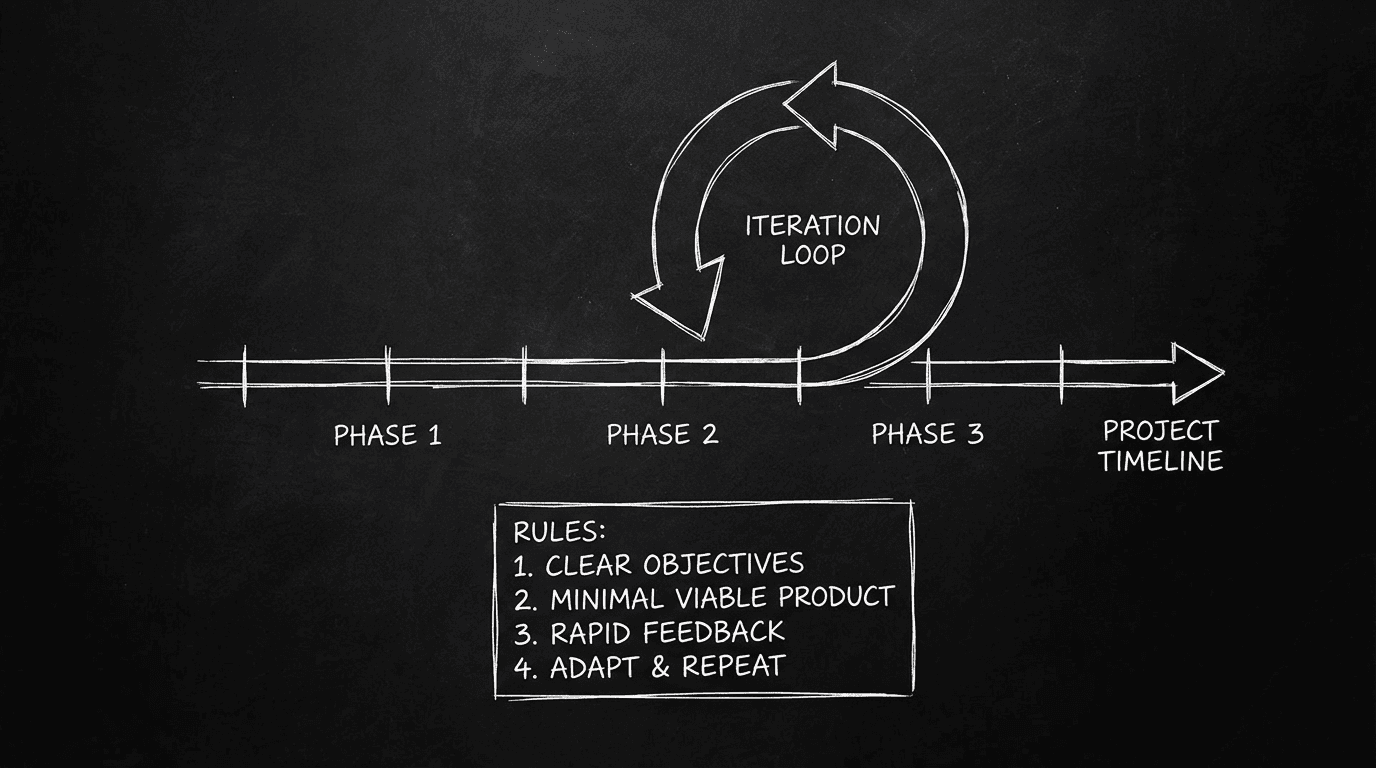
Before you write, answer: what kind of time travel? Fixed, branching, rewrite, or custom? Then: what can they do? What can’t they do? What’s the cost? Write it in one page. Put it in the bible. In the first act, show the rules in action. One use. One consequence. Then, for every time travel beat in the script, check: does this obey the rules? If you need to break a rule, don’t. Change the beat or change the rule (and fix everything that breaks). When the rules hold, the audience can follow, and the twists will land. For more on the world that contains the rules, see worldbuilding 101 and the twist ending.
One External Resource
For a short overview of time travel in fiction and common paradoxes, see Time travel in fiction on Wikipedia. Reference only; not affiliated.
The Perspective
Time travel stories live on logic. Set the rules early. Put them in the bible. Obey them. When you do, the audience can follow, and the paradoxes and twists will feel earned. When you don’t, they’ll feel the cheat. One set of rules. Hold the line.
Final Step
Build your next script with Screenweaver
Move from ideas to production-ready pages faster with timeline-native writing and AI-assisted story flow.
Try Screenweaver