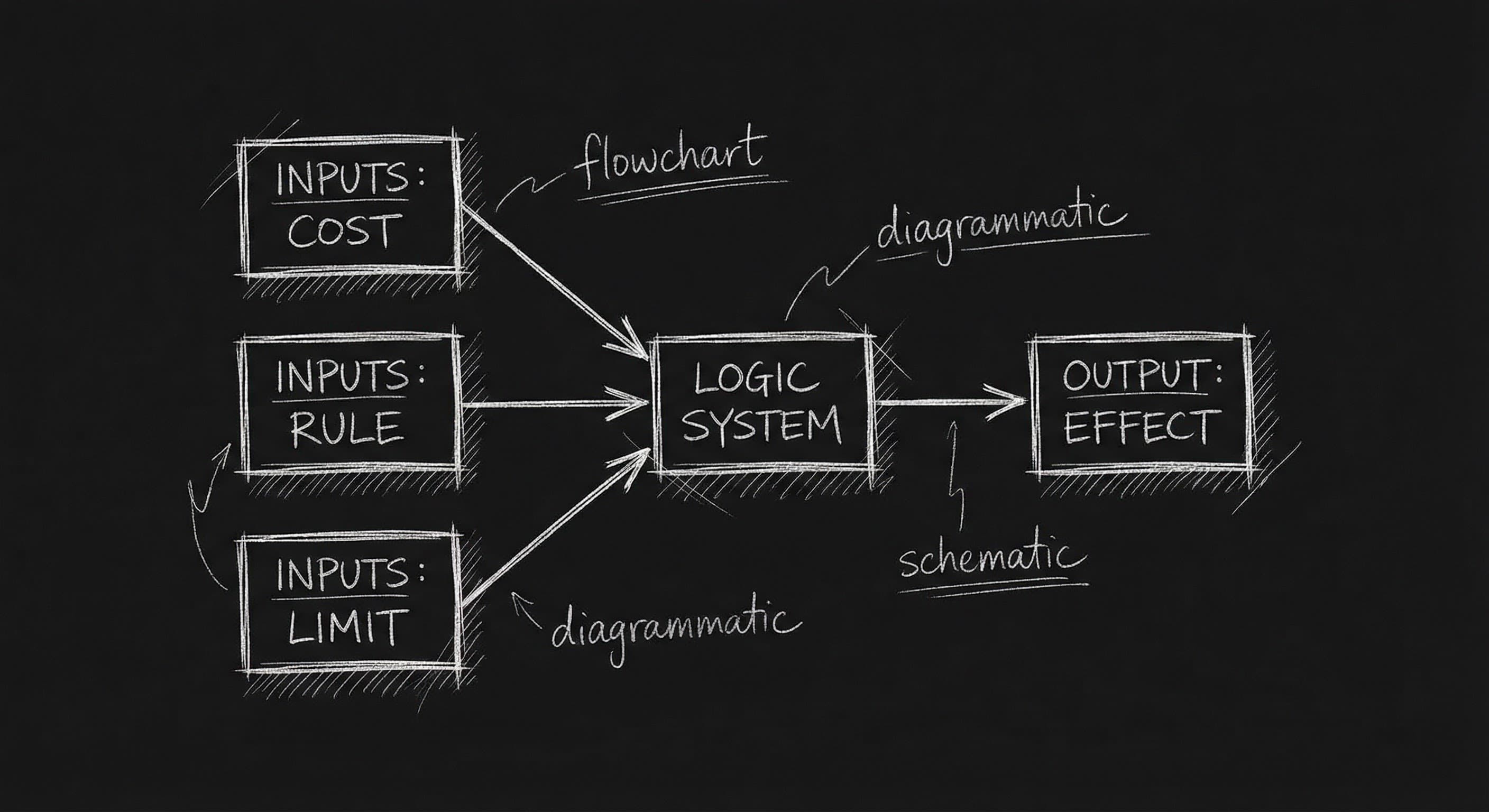

Someone raises a hand. Something impossible happens. The audience goes with it,or they don't. The difference is usually the system. Not the special effects. The rules. What can magic do? What does it cost? Who has it and why? If you don't answer those questions, magic becomes a convenience. The hero needs to win, so magic does the thing. The audience feels cheated. When you build a system,clear limits, clear costs, clear logic,magic becomes a tool that creates problems as well as solutions. That's when fantasy screenplays hold up.
The goal isn't to write a textbook. It's to have a set of rules in your head (and eventually on the page) so that when magic appears in the script, it feels earned. The audience may never see the full system. They need to feel that it exists. That there are stakes. That the character can't just wave their hand and fix everything.
Why Rules Matter
Unlimited magic kills tension. If the wizard can do anything, there's no reason they don't solve the problem in act one. So you need limits. The magic requires a resource (mana, life force, a rare ingredient). Or it has a cost (pain, memory, years of life). Or it can only do certain things (elemental, healing, illusion,pick a lane). Or only certain people can use it, and there's a reason. The limits are what make the story possible. The hero has to work within them. They have to make hard choices. They might have to pay a price they didn't want to pay. That's drama.
The rules also need to be consistent. If in scene five the spell requires a full moon and in scene twenty it doesn't, the audience will notice. They'll feel the cheat. So you keep a private document,or at least a clear mental model,of what magic can and can't do. You don't have to explain every rule in the script. You have to obey them. When you break a rule for a twist or a climax, it should feel like a rare exception,and the exception should have a cost or an explanation. Otherwise the system collapses.
The best magic systems are invisible until they matter. The audience feels the limits. They don't need to read the manual.
The Core Questions
Before you write a single spell, answer these. What can it do? (Scope. Can it create fire? Heal? Read minds? Travel? One domain or many?) What does it cost? (Energy, blood, time, memory, sanity. Something has to be spent.) Who has it? (Everyone? A bloodline? The trained? The chosen one?) What are the limits? (Range, duration, quantity, conditions,full moon, focus, no metal, etc.) What happens when it goes wrong? (Backfire, corruption, death. Stakes for misuse.) You don't have to put all of this in the script. You have to know it. When a character uses magic in a scene, the scene should respect the system. The reader and the audience will feel the coherence.
Relatable Scenario: The Healer
Your protagonist can heal. If they can heal anything, anytime, the story has no tension. So you add limits. Maybe they can only heal others, not themselves. Maybe each healing takes something from them,they age, or they take the wound into themselves for a time. Maybe they can only heal physical wounds, not disease or poison. Maybe they can only do it once per day. Pick one or two limits. Now every time they heal in the script, the limit is in play. They have to choose. Do I heal the child and lose a day of my life? Do I save it for later? The magic creates dilemmas. That's what you want. For a different kind of constraint,character roles that shape the story,see the role of the protagonist vs. the main character; the same idea applies: limits create choices.
Relatable Scenario: The Prophecy
Prophecy is a form of "magic" in the story world. It has to have rules too. Can prophecies be wrong? Can they be avoided? Can they be fulfilled in unexpected ways? If the prophecy is vague enough that anything counts as fulfillment, the audience will roll their eyes. If it's so specific that the hero has no agency, the story feels predetermined. The best prophecies have a clear condition,and the drama is whether the character will meet it, avoid it, or twist it. Define the rule. Then write toward it. The system is the prophecy's logic. The script is where we see it play out.
What Beginners Get Wrong (The Trench Warfare Section)
Magic as a get-out-of-jail-free card. The hero is cornered. Suddenly they do something with magic we've never seen before. No set-up. No cost. The audience feels the cheat. Fix: establish the possibility earlier (even in dialogue or a throwaway moment), or make the new use cost something major. The climax can have a surprise,but the surprise should feel like a payoff, not a new rule invented for the moment.
No cost. Magic that's free is boring. Even "small" magic should have a price,fatigue, concentration, a resource. The price doesn't have to be huge. It has to exist. When the character uses magic, we should feel that they're spending something. That makes the choice meaningful.
Explaining the whole system in dialogue. Two characters don't sit down to say "As you know, our magic is powered by X and limited by Y." The system is revealed through use. We see the character pay the cost. We see them hit a limit. We hear one line when it matters: "I can't do that again." Or "It only works at night." Drip-feed. Don't dump. For how to handle technical language without exposition dumps, see how to write realistic medical or police jargon,the same principle: the audience learns the system by seeing it, not by being lectured.
Inconsistent rules. You said the spell requires eye contact. Later the hero uses it from behind. You said the magic user can't heal themselves. Later they do. Unless the exception is the point of the scene (e.g., they found a loophole, or it nearly kills them), you've broken the contract. Keep a one-page cheat sheet. Check every magic beat against it before you lock the draft.
Magic that does whatever the plot needs. The plot says the villain needs to escape. So the villain has a spell we've never seen. The plot says the hero needs to win. So the hero has a spell we've never seen. That's not a system. That's convenience. Build the system first. Then let the plot work within it,or break it at a cost that the story earns.
Try it free
Try Screenweaver for free on your script
It is free. Import your existing project, get a clearer view of your outline, and regain control of your story structure in minutes.
Start FreeHow Much to Put on the Page
The reader doesn't need a manual. They need to feel that the magic has rules. So you show the rules in action. The character tries to do something and can't. The character does something and pays for it. Another character explains one rule in a line when it's relevant. You don't need a scene where the wizard lectures the hero on the seven laws. You need moments where the limits and costs are visible. When you write the script, every magic beat should be consistent with your internal system. The audience may never articulate the rules. They'll feel the difference between a world that holds together and one that doesn't.
A Simple Table: Before and After
| Without a system | With a system |
|---|---|
| Hero uses magic whenever it would help | Hero uses magic within limits; choices and costs matter |
| New abilities appear when needed | Abilities are established; surprises are payoffs or earned exceptions |
| Magic feels like a shortcut | Magic feels like a tool with consequences |
| Audience may check out at the climax | Audience is invested because the rules have been respected |
[YOUTUBE VIDEO: A breakdown of a film or series with a clear magic system,e.g., Fullmetal Alchemist, The Witcher, Avatar,showing how rules and costs are established and paid off.]
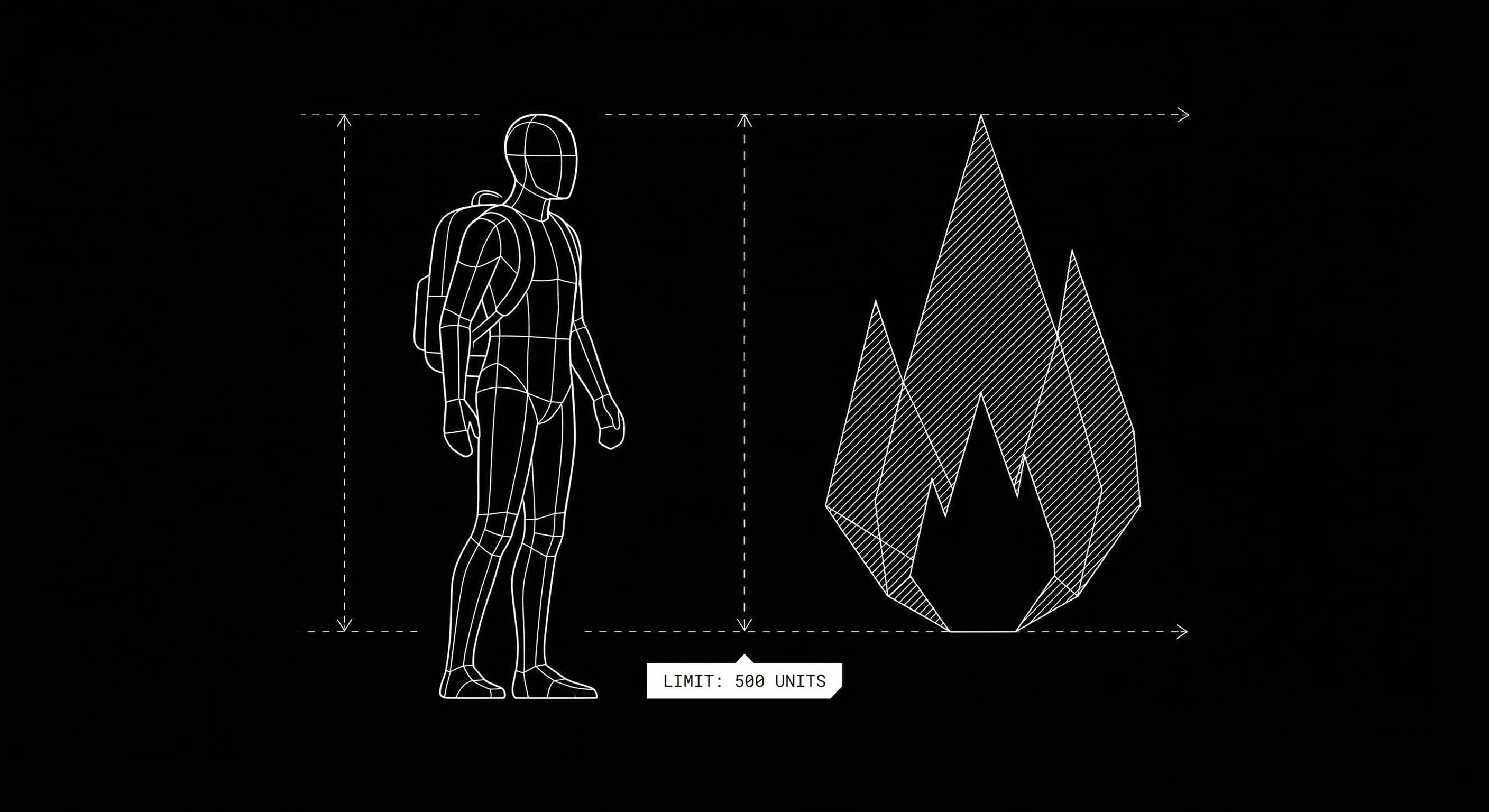
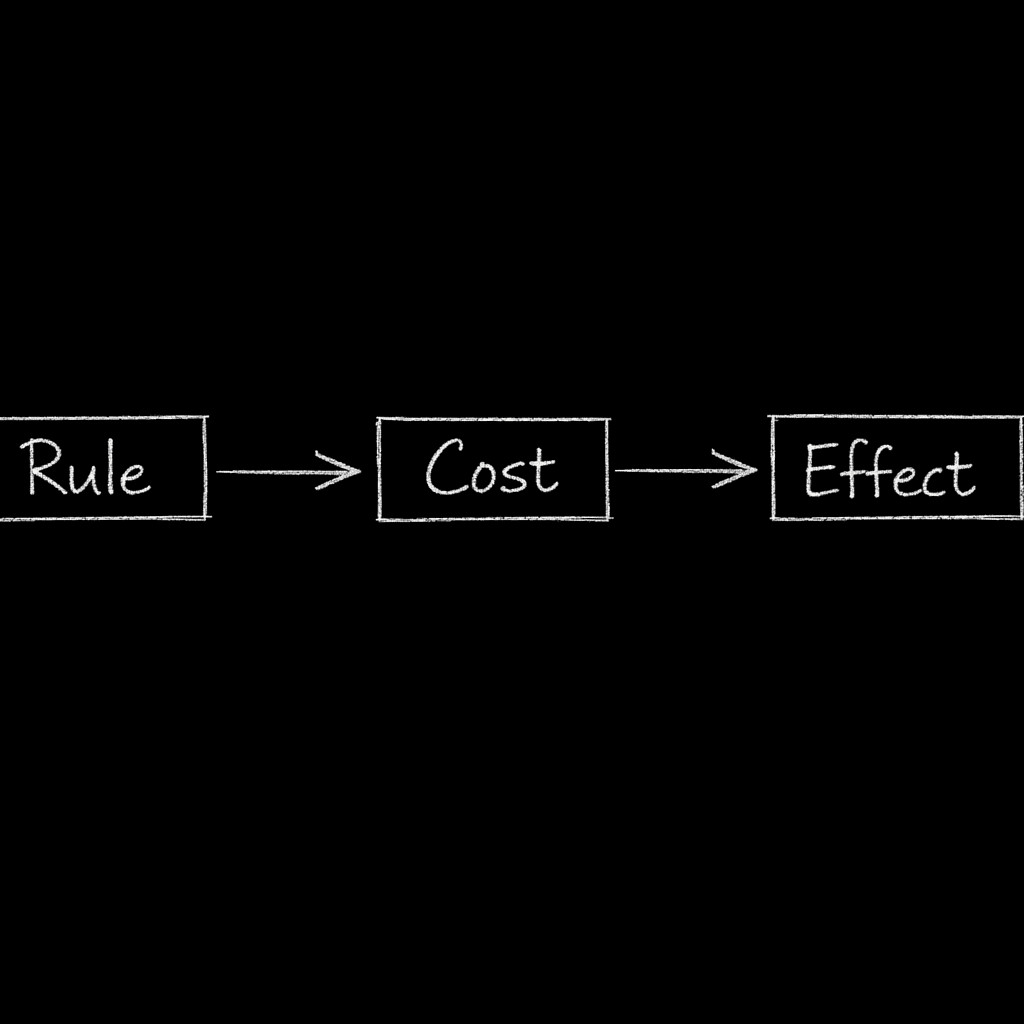
These two visuals work as a pair: the first shows Cost and limit in one moment, and the second shifts to Rules and limits as a simple diagram—compare them briefly, then move on.
The Perspective
A magic system is a set of rules and costs that make the impossible feel possible,and that create stakes. You don't have to explain every rule in the script. You have to know them and obey them. When you do, magic stops being a convenience and starts being a source of conflict, choice, and consequence. That's when fantasy screenplays earn their run time.
Final Step
Build your next script with Screenweaver
Move from ideas to production-ready pages faster with timeline-native writing and AI-assisted story flow.
Try Screenweaver