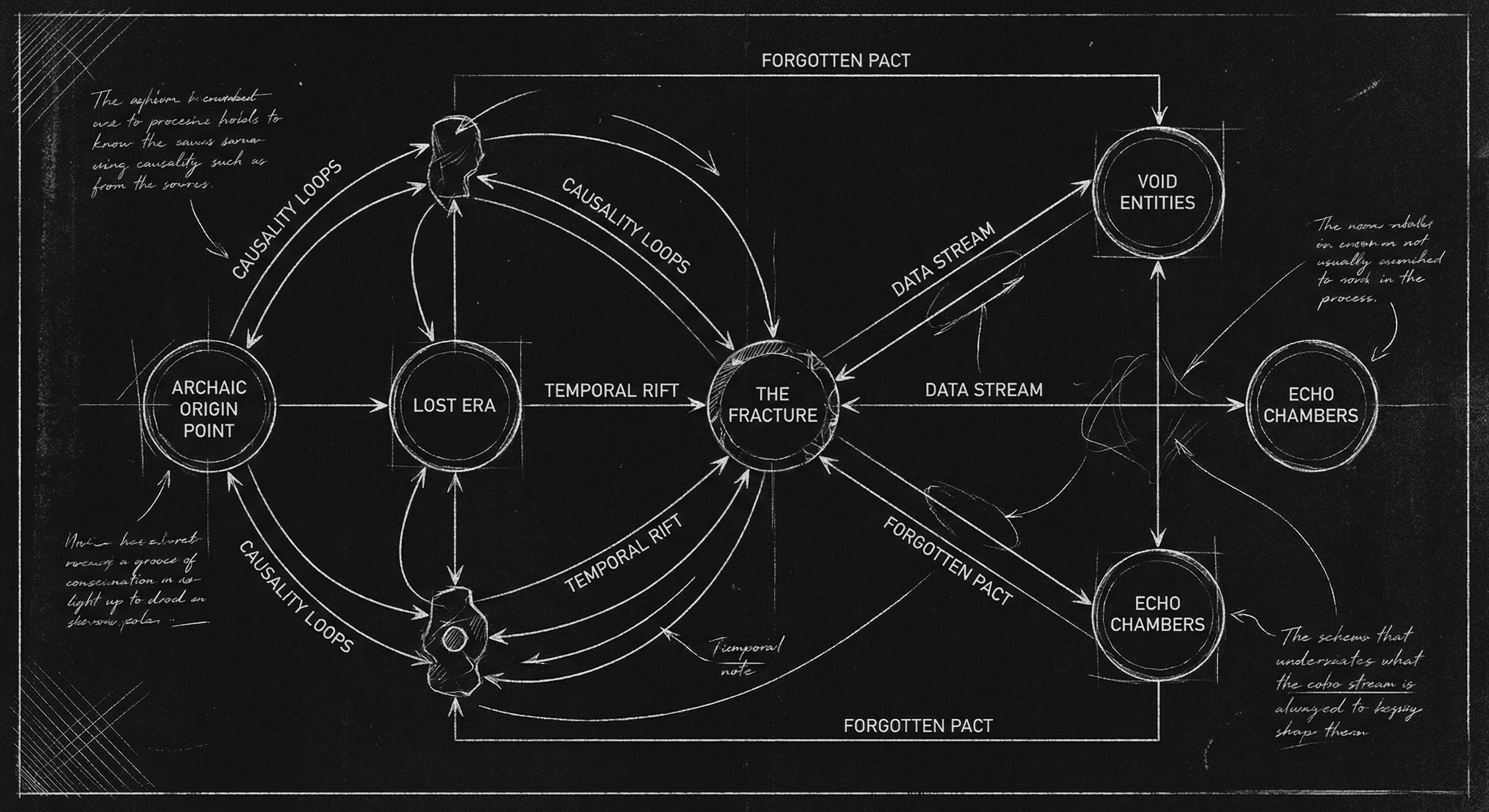

Your script needs a working knowledge of orbital mechanics. Or the layout of a medieval castle. Or the exact way a specific law works in 1982. You could spend a day in the library, or you could ask a model. AI is good at synthesizing information. It’s bad at guaranteeing that information is correct. So the line is clear: use it for research and worldbuilding, but always verify the facts that matter. Here’s how to use it without getting caught with a mistake on the page.
Use AI to fill in the gaps and to generate options. Don’t use it as the final authority. For anything that could blow the suspension of disbelief or get you called out, science, law, history, check a second source. The model is a research assistant, not a fact-checker.
For building worlds that hold together on the page, see worldbuilding 101 and exposition in fantasy. For the ethics of using AI on the script itself, ethics of AI in screenwriting draws the line.
Why AI Is Good for Research and Worldbuilding
Models have been trained on a lot of text. They can summarize how something works, list options for a fictional system, or suggest details that make a setting feel specific. So for brainstorming and first-pass research, they’re useful. You can ask: "What would a society that runs on X look like?" or "What are the key beats of a trial in this jurisdiction?" or "What would a space station need for life support?" You get a starting point. You don’t get a guarantee. The model can confabulate, make up plausible-sounding details that are wrong. So the workflow is: use the model to generate options and to point you toward what to look up; then verify the things that matter. For sci-fi and fantasy, that might mean building a magic system or a world bible where you lock in the rules yourself, using AI only to suggest possibilities.
Think about it this way. You’re writing a thriller set in a specific city. You ask the model: "What’s the procedure when the police find a body in this city?" You get an answer. It might be right; it might be a mix of jurisdictions or outdated. If your script ever gets to a producer or a consultant who knows the field, a wrong detail can kill credibility. So you use the model’s answer as a list of things to verify, then you check the department’s website, a legal guide, or an expert. The model got you to the right questions. You (or a second source) get to the right answers.
Worldbuilding: Lore, Rules, and Consistency
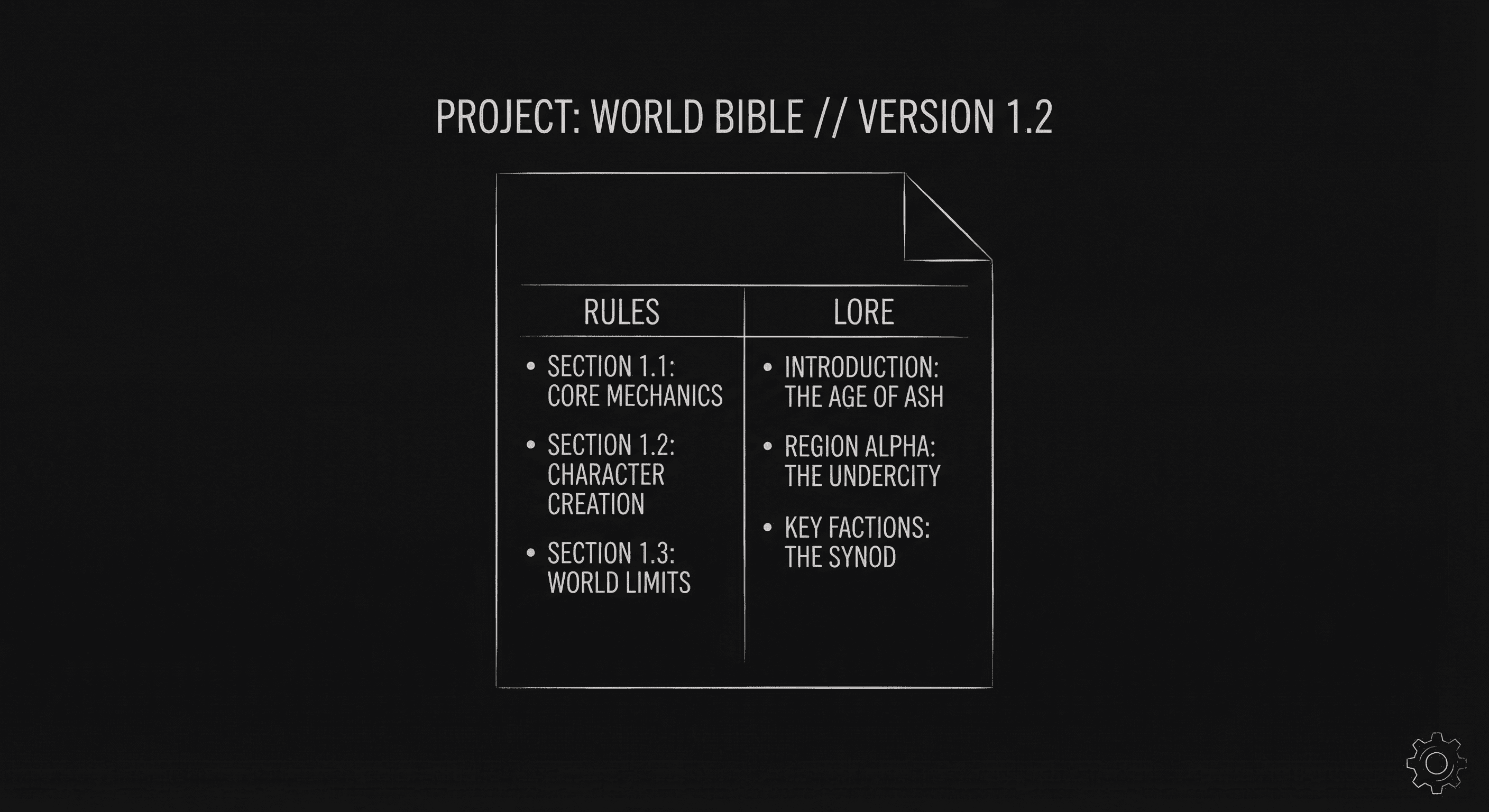
For fantasy and sci-fi, you need internal consistency. The rules of your world, magic, tech, politics, have to hold from scene one to the end. AI can help you generate options: "Give me five ways a magic system could have a cost," or "What would the economy of a generation ship look like?" You pick what fits your theme and your story. Then you write it down in a bible or a doc so you don’t contradict yourself later. The model doesn’t remember your script. You do. So the model is for ideation; you’re for consistency. For a method that keeps your world coherent, magic systems and fantasy exposition show how to set rules and stick to them.
When you’re building lore, history, factions, geography, you can prompt the model: "I have a world where X. What would the history of the northern region look like?" You get a draft. You rewrite it so it ties into your plot and your themes. You add the details only you know (the character who comes from there, the event that broke the alliance). The final lore is yours. The model gave you a scaffold. Same rule as with outline or dialogue: use the tool to beat the blank page; you own the final version.
Fact-Checking: What to Verify
| Type of fact | Use AI for | Verify? |
|---|---|---|
| General concept (e.g. how orbits work) | Summary, first pass | Yes, especially if a character explains it on screen. |
| Specific law, date, or procedure | Ideas, keywords to search | Yes, use a primary source or expert. |
| Fictional world (your lore) | Ideas, options | N/A, you’re the authority; just stay consistent. |
| Real place, event, or person | Overview, then verify | Yes, always. |
| Jargon (medical, legal, military) | Suggestions | Yes, wrong jargon breaks credibility. |
For scripts that lean on real-world detail, medical and police jargon, legal procedure, historical events, the rule is: never trust the model as the only source. Use it to get to the right question and the right terms; then check. For a deeper pass on research and authenticity, writing realistic jargon is a good next read.
Relatable Scenario: The Sci-Fi Tech Dump
You need a character to explain how the ship’s drive works. You don’t want to sound like you’re making it up. You prompt: "In hard sci-fi, how might a fusion drive work in simple terms?" You get a paragraph. It might be roughly right; it might mix concepts. You use it as a starting point, then you read a couple of articles or watch a video from a science communicator. You rewrite the dialogue so it’s accurate enough to pass muster, and short enough for the scene. The model got you started. The final explanation is checked and yours. That’s the right split.
Try it free
Try Screenweaver for free on your script
It is free. Import your existing project, get a clearer view of your outline, and regain control of your story structure in minutes.
Start FreeRelatable Scenario: The Period Piece
Your script is set in 1974. You need to know what was on the news, what a character would wear, how they’d make a phone call. You ask the model. You get answers. Some will be right; some might be off by a year or a detail. So you note the key facts and you verify: newspapers, archives, or a quick search. You don’t put a headline or a tech detail in the script until you’ve confirmed it. The model is your research assistant. You’re the fact-checker.
What Beginners Get Wrong
Treating the first answer as fact. The model is confident even when it’s wrong. So never use a single AI answer as the source for something that could be checked. Use it to know what to look up; then look it up.
Using AI for the only "research" on real-world facts. If your script depends on a real procedure, law, or event, get a second source. A consultant, a book, or an official site. AI is not a substitute for verification.
Building a world in the model and not writing it down. The model doesn’t remember your last prompt. You’ll forget what you "decided." So when you build lore or rules with AI help, put the final version in a doc or a series bible. You’re the source of truth.
Over-researching and under-writing. Research can be a way to procrastinate. Use AI to get to "good enough" fast, then write. You can always refine a detail later. Don’t let research block the draft.
Ignoring consistency. If you use the model to generate options for your magic system or your world’s history, pick one version and stick to it. Contradictions in the script will pull the reader out. So lock the rules in a bible and refer back. For more on that, worldbuilding and magic systems help.
The Perspective
AI is a strong research and worldbuilding assistant. It can suggest lore, summarize concepts, and point you to what to verify. It’s not a fact-checker. For anything that has to be right, science, law, history, jargon, check a second source. For your fictional world, you’re the authority; use the model to generate options, then lock the final version in your own notes. That’s how you get the benefit without the risk.
[YOUTUBE VIDEO: Using AI to brainstorm a magic system and a historical detail, then showing how to verify the real-world fact and lock the fictional one in a one-pager.]

For building worlds that hold together, worldbuilding 101 and exposition in fantasy. For real-world accuracy, realistic jargon. For how much AI you can use and still own the work, copyrighting AI-assisted work. NASA’s public resources{rel="nofollow"} are an example of a primary source for space/science details.
The Perspective
Use AI to fill the gaps and generate options. Verify what has to be right. Lock your fictional world in your own doc. The model is the assistant; you’re the author and the fact-checker.
Final Step
Build your next script with Screenweaver
Move from ideas to production-ready pages faster with timeline-native writing and AI-assisted story flow.
Try Screenweaver