
Hero image prompt: Dark mode technical sketch. Solid black background, thin white hand-drawn lines. Three silhouettes: one mechanical, one alien (wrong proportions), one creature, each with one “human” detail (posture, gesture). Minimalist, high-contrast.
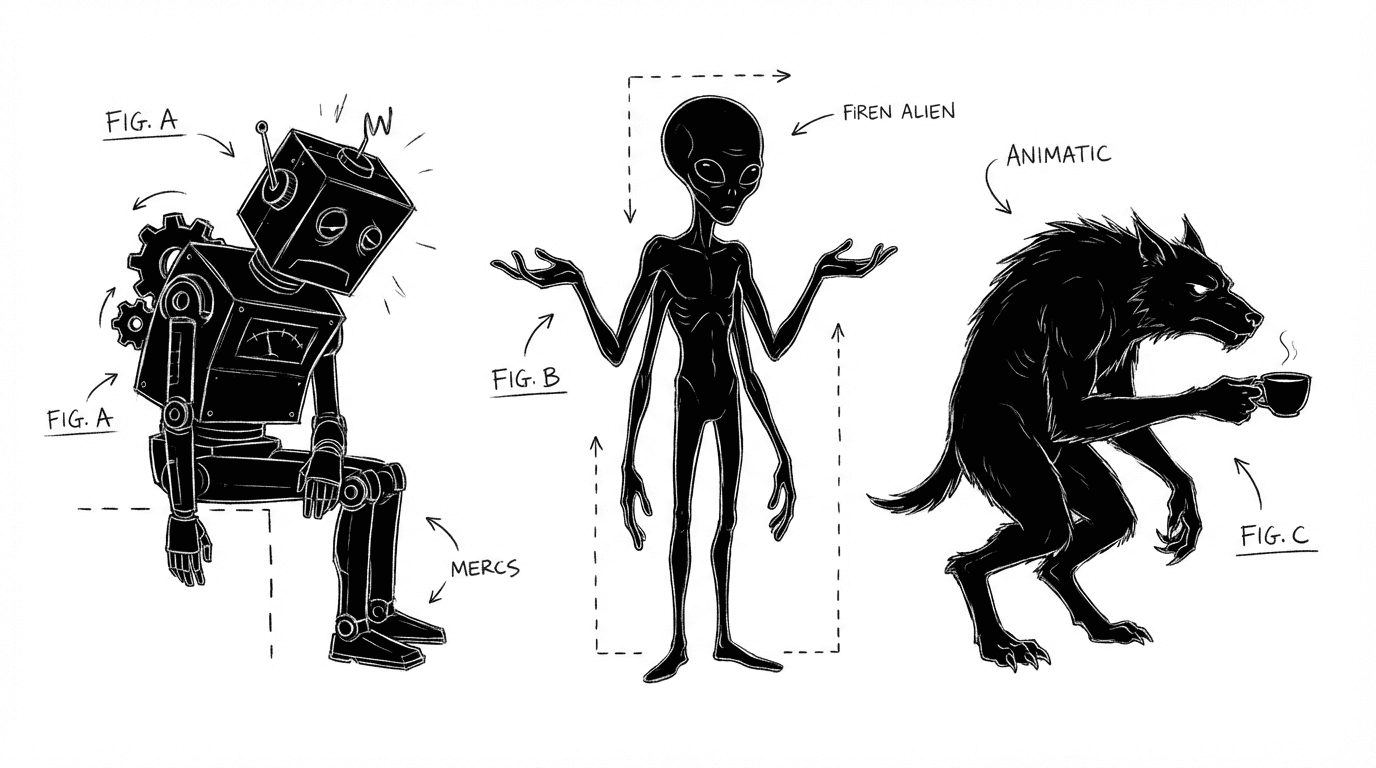
They’re not us. But we have to care. The android, the alien, the creature, they can be mirrors (they want what we want, they hurt like we hurt) or they can be other (their logic is different, their morality is strange). The best non-human characters do both. They’re different enough to be interesting. They’re familiar enough to be felt. Here’s how to write them so they feel like beings, not props.
The non-human character works when we understand their logic. We don’t have to agree. We have to believe that from their perspective, their choices make sense. When we do, they stop being “the alien” and start being a character.
Think about Arrival. The heptapods don’t think in a line. Their language is circular. Their choices follow from that. We don’t become them, but we understand enough to feel the weight of their decision. Or Ex Machina: the AI has a logic. She’s not “robot trying to be human.” She’s a being with a goal and a way of getting there. The humanity we see might be performance. The logic is real. That’s what makes her a character. Our guide on writing magic systems and limitations applies when the non-human has rules, what they can do, what it costs. For more on making the audience care, see chemistry on the page, connection doesn’t require the same species; it requires something we can recognize.
Humanity vs. Altérité
You have a choice. The non-human can be like us, they want love, safety, meaning. We recognize ourselves. Or they can be other, their wants are strange, their logic is different. We’re fascinated but we don’t fully map onto them. Both are valid. The trap is the middle: they’re supposed to be other but they talk and act like humans in suits. So pick a lane. If they’re like us, lean into the recognition. Give them a want we understand. If they’re other, lean into the difference. Give them a logic we have to work to understand. The worst is “they’re aliens but they’re basically us.” That’s not a character. That’s a human with a label. For more on character want and need, see want vs need and the character engine, the non-human can have a want that’s strange to us but consistent for them.
Giving Them a Logic
Even the most alien character has a logic. They want X. They believe Y. So they do Z. The logic might not be human. The heptapods in Arrival don’t experience time the same way. The AI in Her has a different relationship to attention and growth. But from their perspective, their choices follow. So when you write a non-human character, ask: what do they want? What do they believe about the world? What would they do to get what they want? When you can answer, you have a logic. When their actions follow from that logic, the audience will believe them, even if they wouldn’t make the same choice. For more on building a world that supports different logics, see worldbuilding 101.
The Mirror and the Other
The non-human can be a mirror: they show us something about ourselves. The android who wants to be real. The alien who asks why we fight. The creature who only wanted a home. The mirror works when the reflection is clear, we see ourselves in their struggle. The non-human can also be other: they don’t reflect us. They’re just different. The other works when we’re curious, we want to understand even if we don’t become them. You can do both in one character. They’re other in their logic. They’re a mirror in their want. E.T. is other (he’s an alien) and mirror (he wants to go home; we get that). The mix is what makes him stick. For more on theme and character, see theme vs plot, the non-human often carries the theme when they’re a mirror.
| Approach | What It Does |
|---|---|
| Like us (humanity) | We recognize their wants; we care because we see ourselves |
| Other (altérité) | We’re fascinated by difference; we don’t fully map onto them |
| Logic | From their perspective, their choices make sense; we might not agree but we believe |
| Mirror + other | Different in logic, familiar in want; the mix creates depth |
Relatable Scenario: The Script Where the Alien Is a Human in Makeup
You’ve written an alien. They talk like us. They want what we want. They get angry, sad, jealous. The reader doesn’t feel the difference. Fix: add one thing that’s wrong. A different relationship to time. A different hierarchy of values. A way of speaking that’s not quite human (formality, lack of metaphor, or the opposite). One consistent difference. Then let the rest be recognizable. We don’t need them to be incomprehensible. We need them to be not us in at least one way that matters. Our piece on dialect and slang applies to how they speak, the non-human might have a different rhythm or vocabulary.
Try it free
Try Screenweaver for free on your script
It is free. Import your existing project, get a clearer view of your outline, and regain control of your story structure in minutes.
Start FreeRelatable Scenario: The Script Where the AI Is Only a Plot Device
The AI exists to turn on the hero or to save the day. They don’t have a want. They don’t have a logic. They do what the plot needs. Fix: give the AI a goal. Survival. Freedom. Understanding. Something that’s theirs. Then let the plot and their goal intersect. Sometimes they help the hero because it serves them. Sometimes they don’t. When the AI has a want, they become a character. For more on character agency, see passive protagonist trap, the non-human shouldn’t be passive; they should be trying to get something.
The Trench Warfare Section: What Beginners Get Wrong
Making them too human. They’re an alien but they might as well be from Ohio. Fix: add one or two consistent differences. How they think. How they communicate. What they value. The difference doesn’t have to be huge. It has to be there. For more on building the world they come from, see worldbuilding 101.
Making them too alien. We can’t understand them at all. We don’t care. Fix: give us one point of connection. A want we recognize. A moment of vulnerability. One way in. The rest can be strange. For more on audience connection, see chemistry on the page.
Inconsistent logic. They act one way in act one and another in act three. We don’t know who they are. Fix: write down their logic. What do they want? What do they believe? Put it in the bible. When they act, check. Does this follow? For more on consistency, see time travel logic and consistent rules.
Using them only for theme. The non-human is there to represent an idea. They don’t have a life. Fix: theme can run through them. They still need a want, a logic, and a presence in the plot. When they’re a character first and a symbol second, the theme lands. For more on theme and character, see theme vs plot.
[YOUTUBE VIDEO: Breakdown of one or two non-human characters, e.g. Arrival, Ex Machina, E.T., showing where the logic is established and where we connect.]
Step-by-Step: Building the Non-Human Character
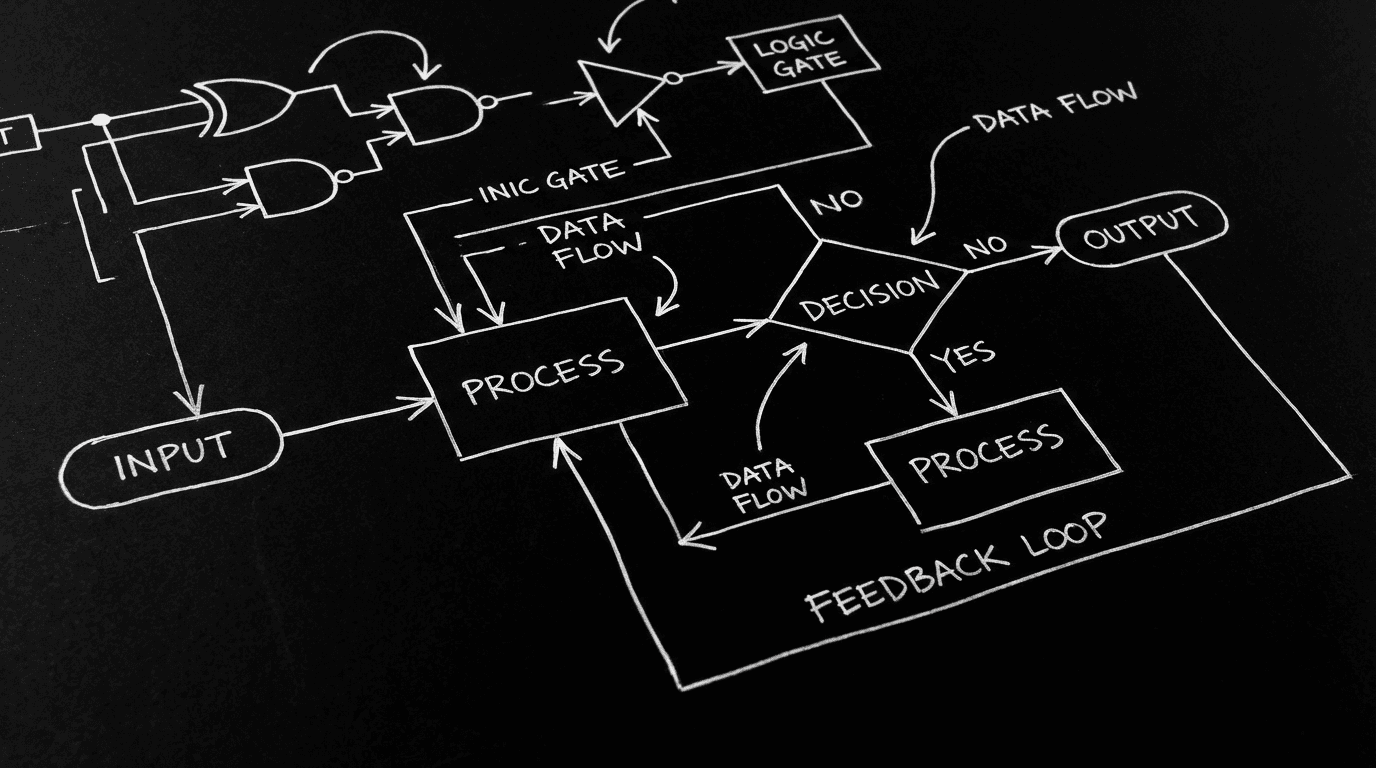
Before you write, answer: are they like us or other? Then: what do they want? What do they believe? What’s one way they’re different (logic, communication, values)? Write it down. Put it in the bible. When you write their scenes, check: does this action follow from their logic? Do we have one way to connect (want, moment, vulnerability)? When both are true, the non-human feels real. For more on the world they inhabit, see worldbuilding 101 and the fish out of water, sometimes the human is the fish out of water in the non-human’s world.
One External Resource
For a short overview of how non-human characters are discussed in speculative fiction, see Alien (fiction) on Wikipedia. Reference only; not affiliated.
The Perspective
Non-human characters work when we believe their logic and when we have a way to care. Give them a want. Give them a consistent difference. Let their choices follow from who they are. When we understand them, even if we don’t become them, they stop being “the alien” and start being someone we follow.
Final Step
Build your next script with Screenweaver
Move from ideas to production-ready pages faster with timeline-native writing and AI-assisted story flow.
Try Screenweaver