

They're perfect for each other. And they're not together. For a season. Maybe five. The will they/won't they dynamic runs on sustained tension: the audience wants it to happen, and the writers keep it almost happening. Done right, every near-miss and almost-confession feels earned. Done wrong, it feels like the show is treading water. Here's how to sustain romantic tension over a full season without cheating the audience or exhausting the premise.
The will they/won't they works when something real keeps them apart, not just "the writers said so."
Think about it this way. The audience needs a reason they're not together. Not a gimmick. A reason that could change. Maybe they're colleagues and one wrong move could ruin the job. Maybe one of them is scared of commitment. Maybe the timing is always wrong. The reason has to be strong enough to hold for many episodes and resolvable enough that when they finally get together (or don't), it feels like a choice. Our guide on want vs need applies: often one or both characters need to grow before they can be together. This piece is about pacing the near-misses and the obstacles so the tension holds. For chemistry on the page, see chemistry on the page.
Why the Dynamic Works (And When It Sags)
It works because the audience is invested in the outcome. They're not just watching, they're rooting. The writers feed that with near-misses: the almost-kiss, the confession that gets interrupted, the moment one of them backs away. Each near-miss has to feel plausible. If they're kept apart by a misunderstanding that could be cleared up in one conversation, the audience gets frustrated. If they're kept apart by something internal (fear, loyalty, timing), we can stay with it. The dynamic sags when the obstacles feel manufactured, when the characters would logically get together but the script invents a new barrier every episode. So the obstacle has to be structural or psychological, not a rotating door of plot tricks. For relationship nuance beyond villainy, see writing toxic relationships, sometimes the will they/won't they edges into complicated territory.
Relatable Scenario: The Workplace Romance That Can't Start
Two leads. Same office. Chemistry. The reason they don't get together: policy, or one of them is the other's boss, or they're both up for the same promotion. The tension is real. The near-misses can be professional (they almost get stuck in the elevator; they have to pretend to be a couple for a client). The key is that the reason they hold back is the same reason we believe they would eventually risk it, when the stakes shift or one of them chooses the person over the job. For professional conflict that isn't romantic, see the rivalry.
Relatable Scenario: The Best Friends Who Are Scared to Cross the Line
They've been friends for years. Everyone sees it. They don't. The obstacle is fear: if they try and it fails, they lose the friendship. So every near-miss is also a retreat. The confession gets interrupted, or one of them says it and the other freezes. Sustaining this means giving them other relationships (that don't work), moments of jealousy, and one or two scenes where they almost cross the line and don't. When they finally do, it has to feel like one or both have changed enough to risk it. For friendship without romance, see friendship dynamics.
The Trench Warfare Section: What Beginners Get Wrong
Inventing a new obstacle every episode. They're kept apart by a misunderstanding, then by an ex, then by a lie. It feels like the writers are stalling. Fix: One or two core obstacles (internal or structural). Let those evolve. Don't add a new external barrier every time they get close.
Making them too perfect for each other. There's no reason they wouldn't just get together. So the script has to invent idiotic behavior. Fix: Give them a real reason not to, career, fear, loyalty to someone else, wrong timing. The audience has to believe the obstacle.
Resolving it too early. They get together in episode 3. The rest of the season has nowhere to go. Fix: If the show is built on will they/won't they, hold the resolution for the season arc, or for the series. Use near-misses and sub-romances to keep the question alive.
Never letting them get close. They're always at arm's length. We never see a real almost-moment. Fix: Give at least one or two near-misses per season, a moment where they could have said it or done it and didn't. The audience needs to feel the possibility.
Making the obstacle a third person we hate. The "other" is a cartoon. Fix: The obstacle can be another person, but give them humanity. Or make the obstacle internal. The best will they/won't they tension is between the two leads and their own choices. For character growth that pays off the tension, see character arcs.
Try it free
Try Screenweaver for free on your script
It is free. Import your existing project, get a clearer view of your outline, and regain control of your story structure in minutes.
Start FreeSustaining Tension: What to Do vs. Avoid
| Do | Avoid |
|---|---|
| One or two core obstacles (internal/structural) | A new external obstacle every episode |
| Near-misses that feel plausible | Near-misses that rely on dumb misunderstanding |
| Let the reason they hold back evolve | Keep the same static reason for years |
| Resolve when the characters have earned it | Resolve too early or never |
Step-by-Step: Building a Season of Will They/Won't They
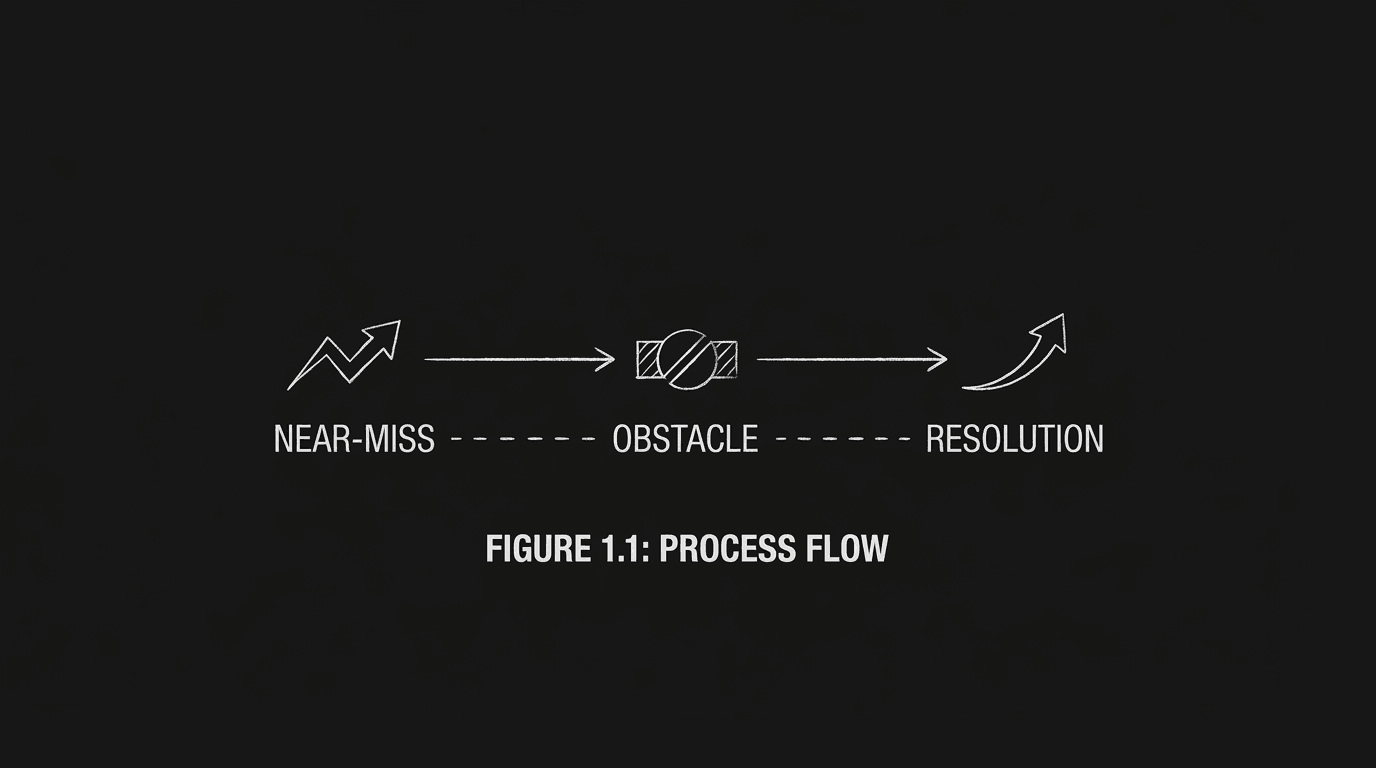
First: Define the reason they're not together. Internal (fear, belief) or structural (job, loyalty). Second: Plan two or three near-misses for the season, moments where they almost cross the line. Each should be different (one almost-kiss, one almost-confession, one moment where they choose something else). Third: Give one or both a growth arc so that by the end of the season they're capable of choosing each other. Fourth: Don't resolve until the audience and the characters are ready. Fifth: If you resolve (they get together), have a plan for what the show becomes next, the tension was the engine; you need a new one. For more on character change, see want vs need. For chemistry on the page, see chemistry.
[YOUTUBE VIDEO: One will-they-won't-they season mapped: obstacles, near-misses, and the moment of resolution, with commentary on what holds tension.]
The Perspective
Sustain will they/won't they by giving a real reason they're apart, internal or structural, and by pacing near-misses so the audience feels the possibility without the payoff until you're ready. Don't rotate obstacles. Don't resolve too early. When the characters have grown enough to choose each other (or not), the resolution lands. So build the obstacle. Space the near-misses. And earn the end.
Final Step
Build your next script with Screenweaver
Move from ideas to production-ready pages faster with timeline-native writing and AI-assisted story flow.
Try Screenweaver