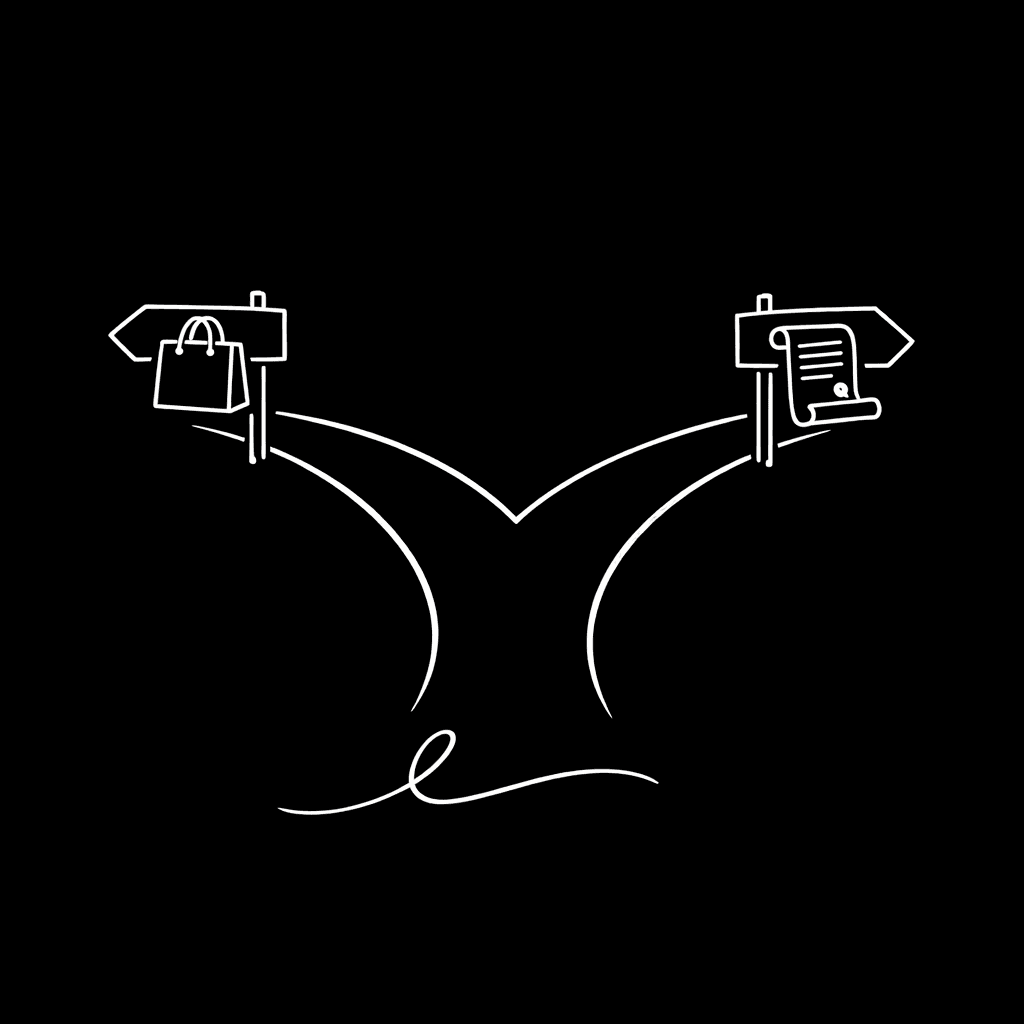

A producer wants to take your script out to studios and financiers. They offer you one of two things: a shopping agreement or an option agreement. One of them usually costs them almost nothing. The other costs them money and gives you a contract with dates and numbers. Guess which one producers prefer? And guess which one leaves writers holding the short end of the stick when it's vague? This piece is about why producers love shopping agreements, what risk you take when you say yes, and when to push for an option instead, or walk away.
Shopping agreements are often free for the producer and fuzzy for the writer. Options cost something and give you a defined end date and reversion. "Which is better?" depends on who you are. For the writer, the option is almost always the safer play.
If you've read The Option Agreement Explained, you already know the basics: option period, purchase price, reversion. Here we put that next to the shopping deal so you can see the trade-off in plain daylight.
What a Shopping Agreement Is
A shopping agreement (or "shopping deal") gives a producer the right to shop your script, to take it to studios, networks, financiers, talent, to try to get it set up. In exchange, they usually pay you little or nothing. No option fee. No guaranteed purchase price up front. The idea is: "Let me try to sell this; if I do, we'll make a deal." So you're giving exclusivity (and sometimes a lot of time) for the hope that they'll land a deal and you'll get paid then. The problem: if they don't land a deal, you've had your script tied up for months or years with no money and often no clear end date.
Producers prefer shopping because it's cheap. They don't have to put up option money. They can take your script to twenty meetings. If nothing happens, they've lost only time. You've lost time too, and the chance to take the script elsewhere.
What an Option Agreement Is (Recap)
An option is a contract. The producer pays you an option fee for the exclusive right to try to set up your script for a set option period (e.g. 12 or 18 months). If they set it up, they pay you the purchase price and you grant rights. If the option period ends and they haven't exercised, reversion kicks in: the script is yours again. You get a defined timeline, usually some money, and a clear way to get your rights back. Options are in our Option Agreement guide in full detail.
Side-by-Side: Why Producers Prefer Shopping
| For the producer | Shopping | Option |
|---|---|---|
| Upfront cost | None or minimal | Option fee (often thousands) |
| Risk | Low, they only invest effort | Higher, they've paid for the period |
| Exclusivity | Yes, often for a long or vague time | Yes, but for a fixed period |
| Incentive to perform | Hope of backend | Money already spent |
So from the producer's chair, shopping is a no-brainer when they can get it. From your chair, it's risk without reward unless you've limited the term and protected reversion.
The Risks for the Writer
No payment. You get nothing while they shop. If they never set it up, you've given away months (or years) of exclusivity for free.
Vague or long term. Many shopping agreements don't spell out when the "shopping" period ends. You can end up in limbo. They're "still talking to someone." You can't take the script elsewhere without a fight.
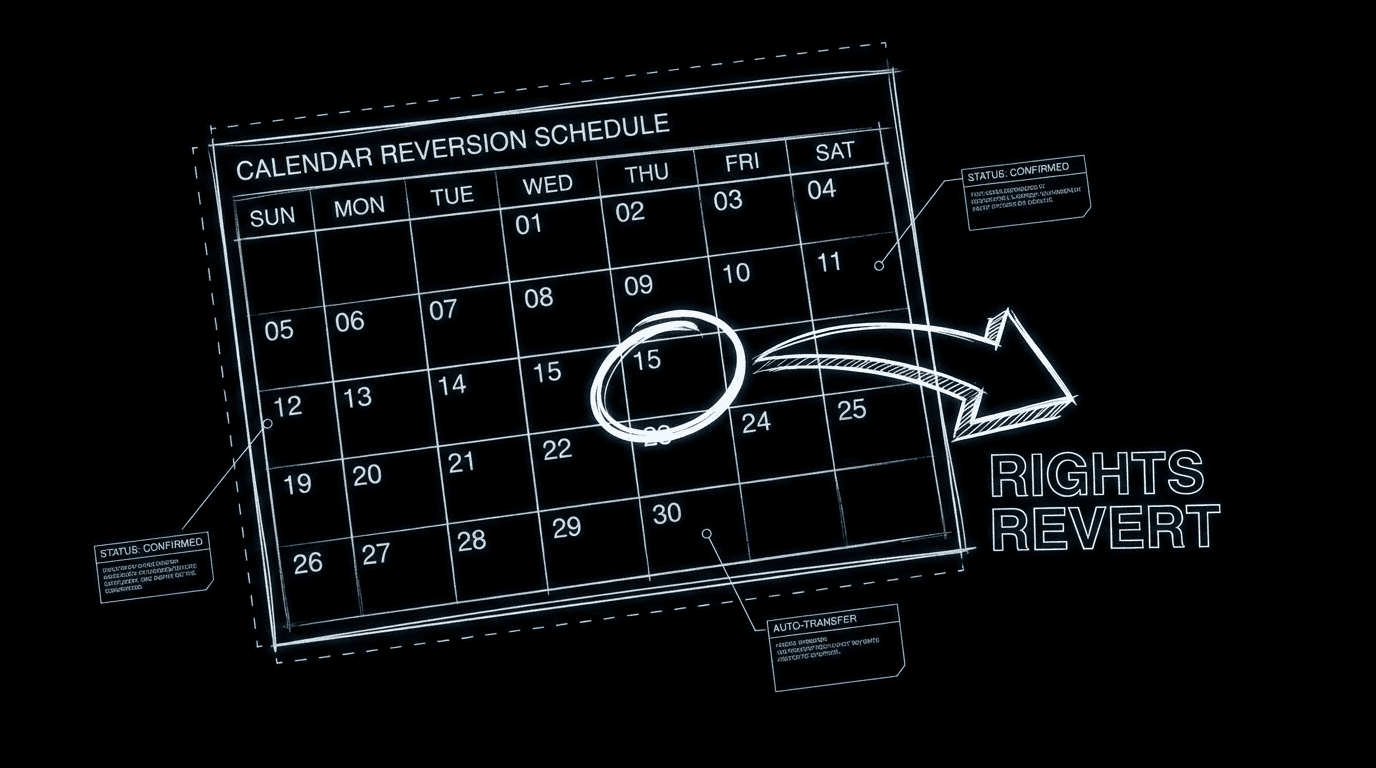
Weak or no reversion. When does the script come back to you? If the contract doesn't say, you may have to negotiate or threaten to get it back. Option agreements typically spell out reversion on expiration. Shopping deals often don't.
No purchase price. If they do set it up, the deal might be negotiated then, when you're under pressure and they have the momentum. With an option, you've already agreed on a purchase price (or formula) up front.
You're not the priority. Because they haven't paid, your script might sit at the bottom of their list. The projects they've optioned (with real money) get the calls first.
Try it free
Try Screenweaver for free on your script
It is free. Import your existing project, get a clearer view of your outline, and regain control of your story structure in minutes.
Start FreeWhen a Shopping Agreement Might Be Acceptable
There are situations where writers say yes to a shopping deal. A producer with a real track record who you trust. A short, fixed term, e.g. 6 months, with a clear reversion date. A letter or short agreement that states: exclusivity ends on [date], after which all rights revert to the writer. Maybe they're paying you a small "shopping fee" to show good faith. And you've decided the relationship or the access is worth the risk. Even then, get the term and reversion in writing. Verbal "we'll give it back if it doesn't happen" is not enough.
When to Push for an Option Instead
Whenever there's real interest and the producer has some budget, push for an option. You want: an option fee (even if modest), a defined option period (12–18 months), a stated purchase price (or formula with a floor), and reversion on expiration and if not produced. That way you're not giving away free exclusivity forever. You're doing a real deal. If they refuse to pay anything and won't agree to a short, fixed term with reversion, ask yourself whether they're the right partner. Sometimes the answer is to walk and take the script to someone who'll option it properly. For negotiation backup, see Entertainment Lawyers: When Do You Need One?.
What Beginners Get Wrong
Saying yes to shopping because "any interest is good." Interest is good. Tying up your script for free with no end date is not. Get a short term and reversion, or get an option.
Not putting it in writing. Handshake shopping deals are a trap. When they don't set it up and you want to take the script elsewhere, they may say "we're still working on it." Get the term and reversion on paper.
Assuming reversion is automatic. In option deals, reversion is usually explicit. In shopping deals, it's often missing. If it's not in the contract, don't assume you get the script back when you want it.
Ignoring the option alternative. If a producer wants to shop your script, you can respond: "I'd rather do an option, 12 months, small option fee, and we agree on the purchase price now." They may say no. They may say yes. You'll never know if you don't ask.
The Perspective
Producers prefer shopping because it's free and low-risk for them. Writers should prefer options because they're paid, time-limited, and come with clear reversion. If you're offered a shopping agreement, either negotiate a short, fixed term with written reversion or push for an option. Don't give away unlimited exclusivity for nothing. Your script is your asset. Treat it like one.
[YOUTUBE VIDEO: Producer and writer discussing a redacted shopping agreement vs option, what each side gives up and gains.]
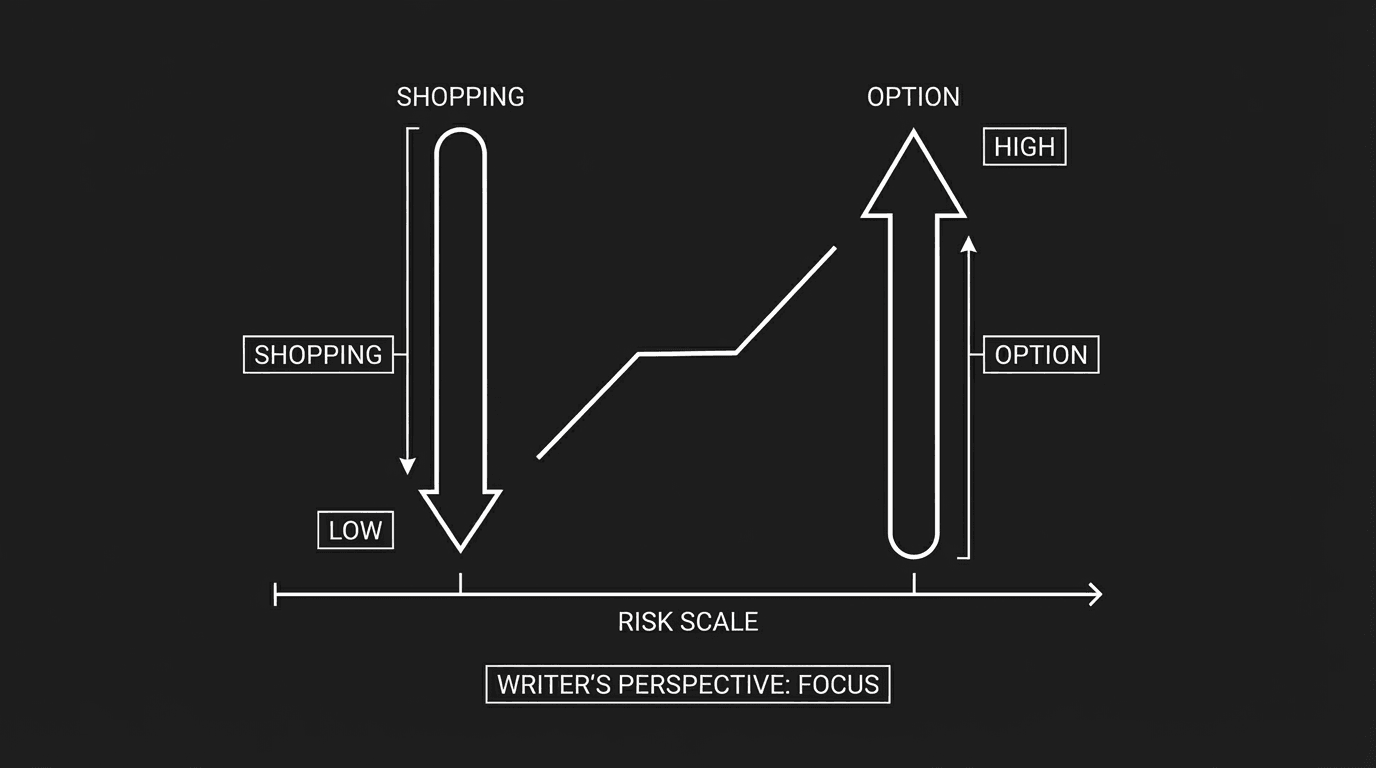
These two visuals work as a pair: the first shows Risk scale: shopping vs option for writer; dark mode technical sketch, and the second shifts to Calendar with reversion date highlighted; dark mode technical sketch—compare them briefly, then move on.
Final Step
Build your next script with Screenweaver
Move from ideas to production-ready pages faster with timeline-native writing and AI-assisted story flow.
Try Screenweaver