
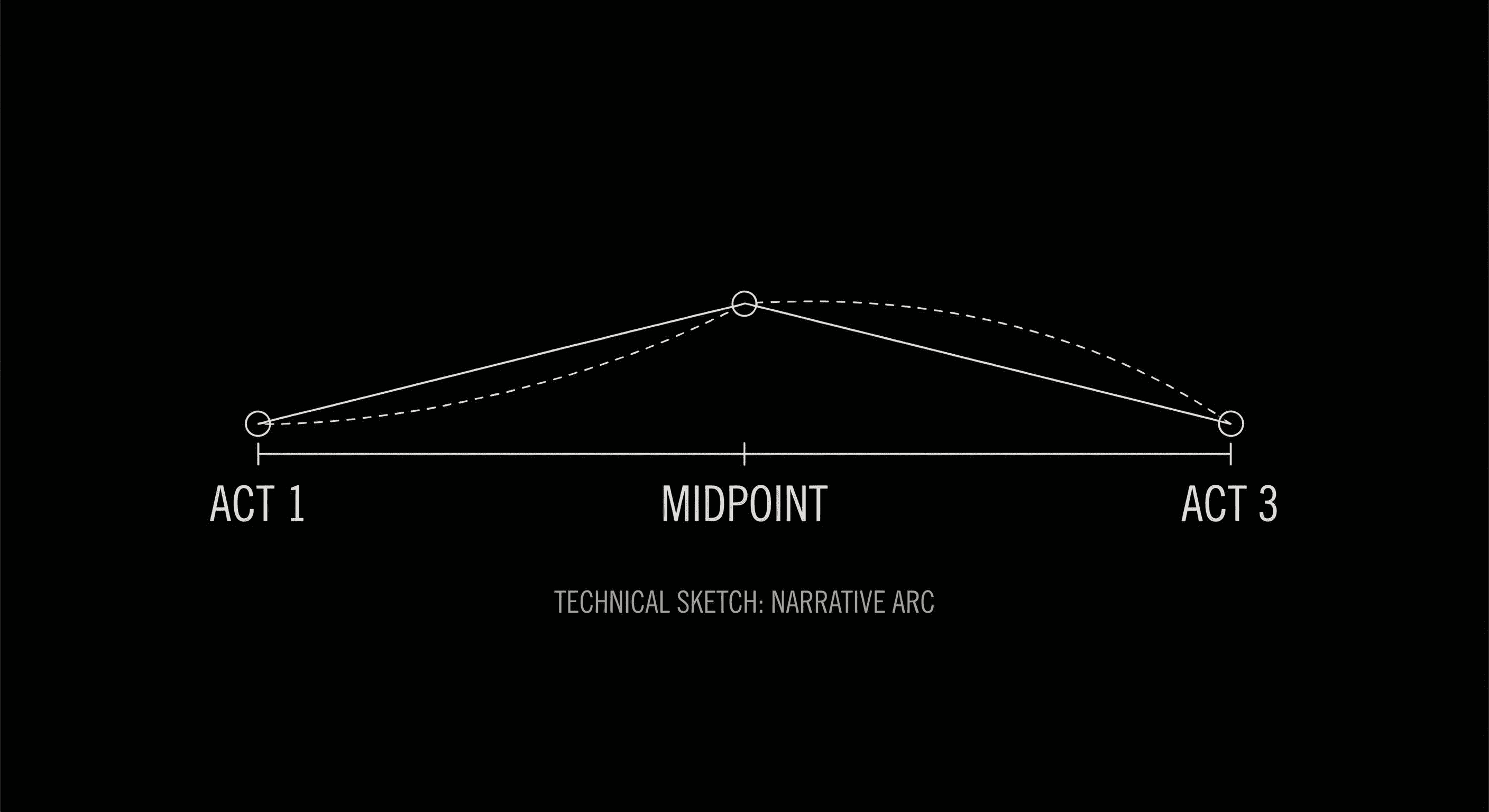
Blake Snyder's Save the Cat has become a kind of screenwriting Bible. The beat sheet,a 15-point structure mapped to specific page numbers,promises a formula. The "calculator" versions take it further: plug in your page count, get exact page numbers for each beat. Tidy. Reassuring. But does it actually work? The short answer: it works for the stories it was designed for. It fails for the stories it wasn't.
What the Beat Sheet Actually Is
Snyder's model assumes a 110-page script. Key beats: Opening Image (p.1), Theme Stated (p.5), Setup (pp.1-10), Catalyst (p.12), Debate (pp.12-25), Break into Two (p.25), B Story (p.30), Fun and Games (pp.30-55), Midpoint (p.55), Bad Guys Close In (pp.55-75), All Is Lost (p.75), Dark Night of the Soul (pp.75-85), Break into Three (p.85), Finale (pp.85-110), Final Image (p.110). The calculator simply scales these. 90-page script? Midpoint shifts to ~p.45. Proportional math.
Where It Succeeds
The beat sheet works brilliantly for high-concept, genre-driven, commercial films. Comedies, thrillers, action, rom-coms. Many professional writers use it as a diagnostic. "Why does my second act feel limp?" Check the beats. The sheet exposes structural holes.
Where It Fails
The beat sheet was not designed for slow cinema, art films, anthology structures, or character studies that privilege mood over plot. Aftersun. Memoria. Forcing them into a 15-beat mold would distort them. It also assumes a three-act paradigm. Some stories are five acts. Some are cyclical.
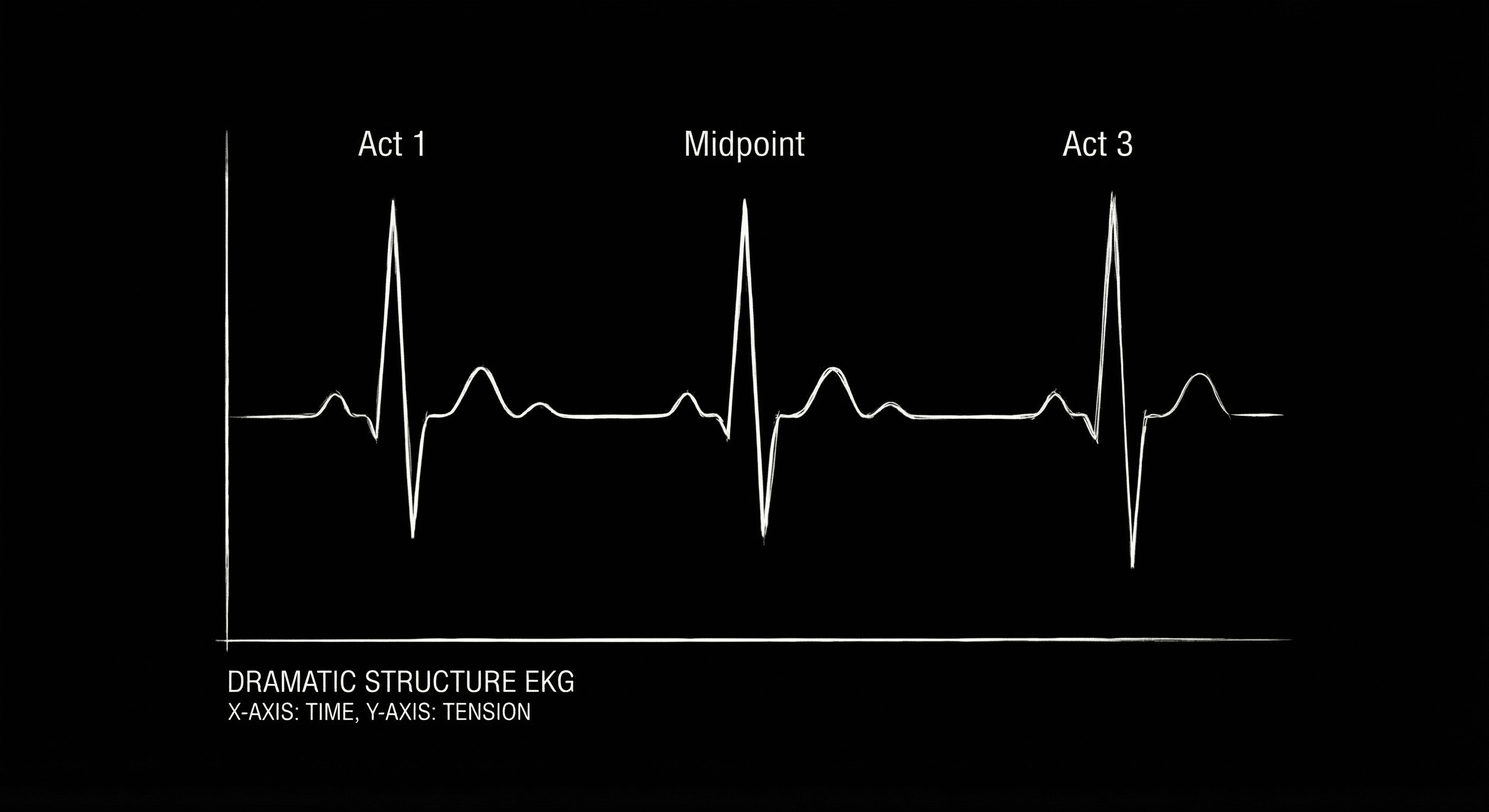
The beat sheet is a map, not the territory. A calculator tells you where the rest stops are. It doesn't tell you what to do when you get there.
For writers building their first feature, our guide on feature script length pairs well with structural thinking. The beat sheet works. So does a compass. Neither tells you where to go. They help you know where you are. The destination is still yours to choose.
Final Step
Build your next script with Screenweaver
Move from ideas to production-ready pages faster with timeline-native writing and AI-assisted story flow.
Try Screenweaver