

The scene feels like one take. No visible cuts. The camera (or the audience) moves through the space in a single flow. On the page you're not directing the camera, you're describing the flow of action and geography so the reader and the director feel the continuity. Here's how to write a one-shot-style sequence without over-specifying the technique.
Suggest the continuous movement. Describe the path and the beats. Don't write "one take", write what we see in order so it can be one take.
Think about it this way. Birdman, 1917, and similar films are built so that action and space can be covered in one (or few) takes. The script doesn't have to say "this is one shot." It has to give a clear sequence: we follow X, we pass Y, we arrive at Z. The director and the DP decide how to achieve it. Our guide on screenplay format covers action lines; this piece is about flow, keeping the action in one continuous chain. For scene geography, see scene entry and exit.
How to Describe It
Geography: We move from A to B to C. "She leaves the dressing room. Down the hall. Through the stage door. Onto the set." Beats: Each beat follows the last in space and time. No "CUT TO." No jump. Action: Short blocks. Each sentence is a step or a moment. The reader feels the flow. For pacing, see micro-pacing.
Relatable Scenario: The Backstage Walk
We follow the character from the wings to the stage. Format: One scene. Action in order. "She walks. The corridor. The door. She pushes through. Lights hit her. The audience is a dark mass." For tension, see writing silence.
The Trench Warfare Section: What Beginners Get Wrong
Directing the camera. "The camera follows..." Fix: Describe the path and the action. Let the director choose the shot. For writing for directors, see writing for actors, same idea.
Cuts in the middle. We're in a "one-shot" but the script has CUT TO. Fix: Remove the cuts. One continuous chain of action. For structure, see scene entry and exit.
Too much in one block. One paragraph, 20 beats. Fix: Break into short blocks so the flow is readable. For micro-pacing, see micro-pacing.
Try it free
Try Screenweaver for free on your script
It is free. Import your existing project, get a clearer view of your outline, and regain control of your story structure in minutes.
Start FreeOne-Shot on the Page: What to Do
| Do | Don't |
|---|---|
| Describe the path (A to B to C) | Direct the camera |
| One continuous chain of beats | CUT TO in the middle |
| Short, clear action blocks | One giant paragraph |
Step-by-Step: Writing a Continuous Flow
First: Map the geography (where we start, where we go, where we end). Second: List the beats in order. Third: Write each beat in one or two lines. No cuts. Fourth: Read it, does it feel like one flow? For more, see scene entry and exit and micro-pacing.
[YOUTUBE VIDEO: Same sequence with cuts vs. written as one flow, read comparison.]
The Perspective
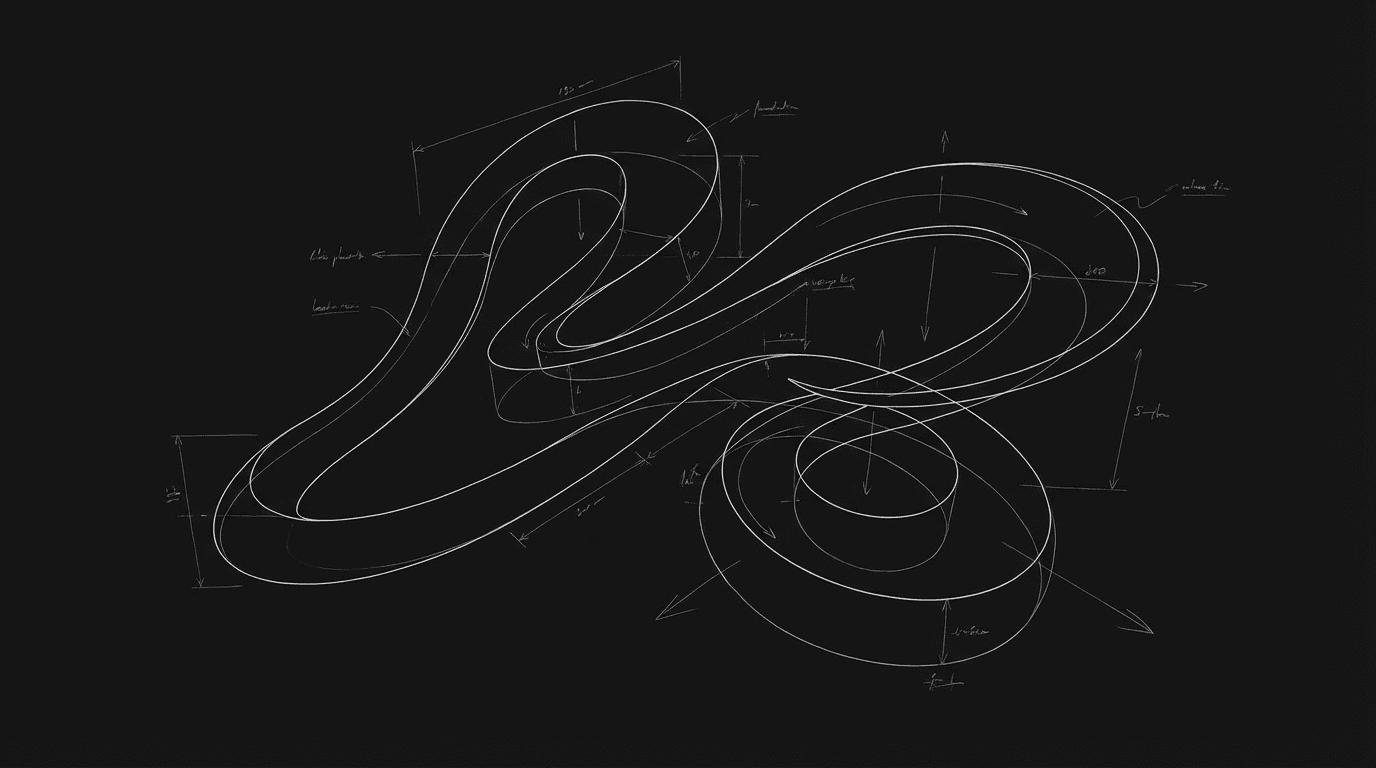
Write a one-shot-style sequence by describing the flow, geography and beats in order, no cuts. Don't direct the camera. Do give a clear path so it can be shot continuously. When the reader feels the continuity, the script supports the one-shot. So map the path. Write the beats in order. And leave the technique to the director.
Final Step
Build your next script with Screenweaver
Move from ideas to production-ready pages faster with timeline-native writing and AI-assisted story flow.
Try Screenweaver