
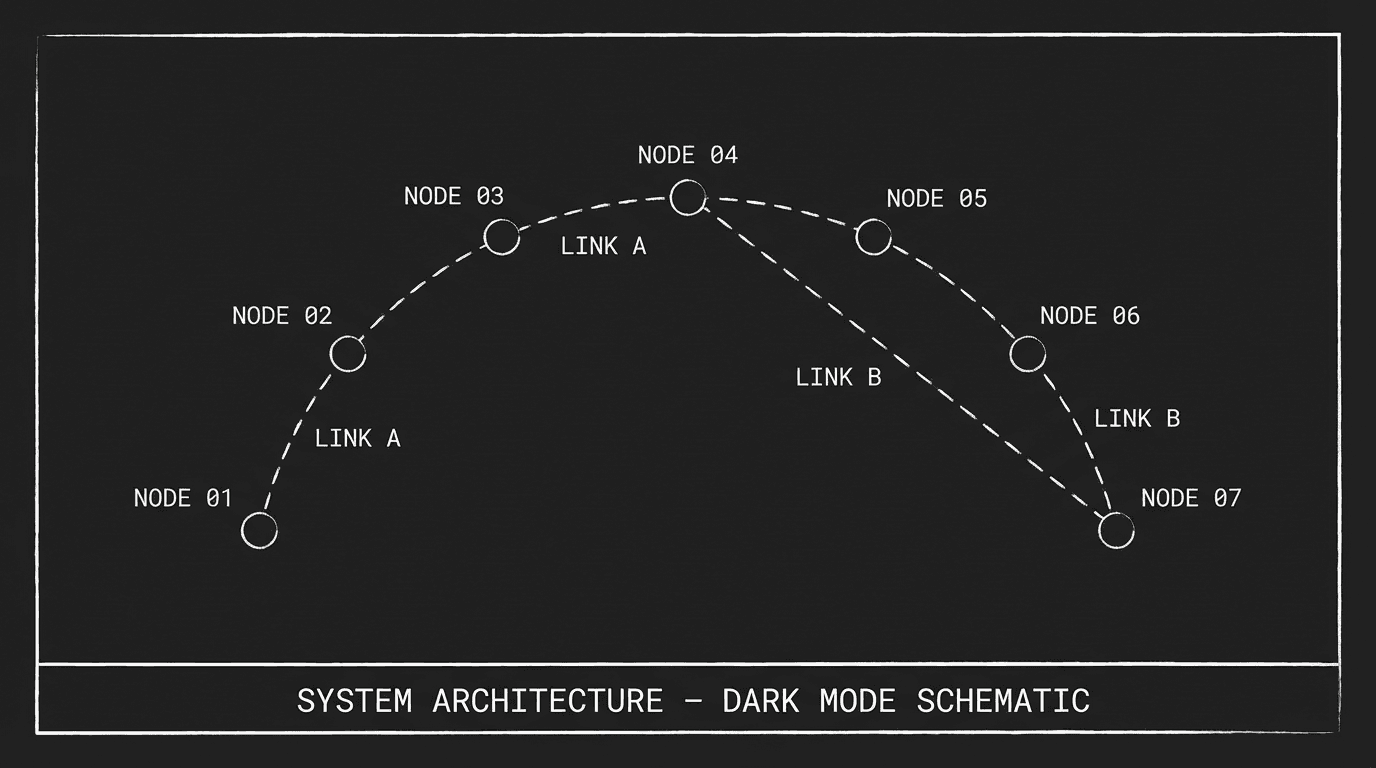
Hero image prompt: Dark mode technical sketch. Solid black background, thin white hand-drawn lines. A single timeline or path with seven nodes, like a heartbeat or a relationship curve. No people. Abstract. Minimalist, high-contrast.

They meet. They clash. They fall. They break. They get back together. The rom-com has a shape. It’s not the only shape, but when you’re writing for the genre, the audience (and the market) expects certain beats. The trick in 2026 isn’t to throw out the shape. It’s to hit the beats in a way that feels fresh. Tinder instead of the bookstore. Text threads instead of missed calls. The structure stays. The specifics change. Here are the seven beats you need, and how to make them feel like now.
The rom-com structure isn’t a cage. It’s a contract. The audience wants to know that the couple will end up together. Your job is to make them doubt it anyway, and to make the path to “together” one they haven’t seen a hundred times before.
Think about Crazy Rich Asians or The Big Sick. They hit the beats. Meet cute. Complication. Midpoint. Break-up. Grand gesture (or its subversion). Reunion. But the meet cute is specific to the world. The break-up has real weight, culture, family, illness, not just a misunderstanding. The structure holds. The content feels new. That’s the balance. You’re not inventing a new genre. You’re filling the old one with details that make the audience feel like they’re watching something that could happen to them. Our guide on the “all is lost” in romance goes deeper on the break-up beat, the moment when it looks like they won’t get back together, and why that moment has to hurt.
The Seven Beats (And What They’re For)
Beat 1: The Setup (Who are they before love?) We need to know the protagonist alone. What do they want? What are they afraid of? What’s the flaw or wound that love will force them to face? This isn’t a full biography. It’s enough that when they meet the other person, we understand why this meeting will matter. In a modern rom-com, the setup might include their relationship to dating, apps, burnout, “I’m done with this.” The setup establishes the before. Everything after is the change.
Beat 2: The Meet Cute (Or Meet Messy). They meet. It doesn’t have to be cute. It can be awkward. Hostile. A wrong number. A bad first impression. The point is that we see the chemistry, or the friction that will become chemistry. The meet cute in 2026 might happen on an app, at a wedding, in a professional context where they’re supposed to be rivals. What matters is that the meeting is memorable and that we sense the possibility. For more on fresh meet-cute ideas, see our piece on writing the meet cute for 2026.
Beat 3: The Complication (Why can’t they just be together?) Something stands in the way. Different worlds. A professional conflict. A secret. A ex. A family that won’t approve. The complication has to feel real, not a misunderstanding that could be cleared up in one conversation. The audience has to believe that this is a real obstacle. In a modern rom-com, the complication might be “we’re both on the app but we’re also coworkers” or “our families are from different cultures and the stakes are high.” The complication creates the middle. Without it, there’s no movie.
Beat 4: The Midpoint (The high or the turn). Something shifts. They get together, and it’s good. Or they almost get together and something stops them. Or they get together and we see the best version of them as a couple. The midpoint is often the “fun and games” of the romance, the montage, the trip, the moment when it seems like they might make it. It can also be a turn: the moment when the complication gets worse. Either way, the midpoint changes the direction. We’re not in the same place we were at the opening of act two.
Beat 5: The Break-Up (Or the “all is lost”). It falls apart. The complication wins. They say the wrong thing. The secret comes out. The family intervenes. The break-up has to feel earned. The audience should understand why they’re splitting, and it should hurt. This is not the place for a trivial misunderstanding. If they could fix it with one conversation, the break-up doesn’t land. The break-up is the moment when the flaw or the obstacle seems insurmountable. For more on making this beat hurt, see the “all is lost” in romance.
Beat 6: The Dark Night (What do they learn?). Alone again. What do they realize? What do they have to change? The protagonist (and sometimes both) has to grow. The dark night is when they face what was wrong, with themselves, not just with the relationship. Without this beat, the reunion feels unearned. They got back together because the script said so. With this beat, they get back together because they’re different. The dark night can be short. It has to be there.
Beat 7: The Reunion (Or the grand gesture). They find their way back. The grand gesture, showing up at the airport, the speech, the proof that they’ve changed, is optional but common. In a modern rom-com, the gesture might be smaller. A text. A choice. Showing up when it matters. The reunion has to feel like a result of the dark night. They’re not just saying “I’m sorry.” They’re showing that they’ve changed. The audience has to believe that this time it will work.
| Beat | Purpose |
|---|---|
| Setup | Who are they before? What’s the flaw? |
| Meet Cute | Memorable meeting; chemistry or friction. |
| Complication | Real obstacle, why they can’t just be together. |
| Midpoint | High or turn; fun and games or complication gets worse. |
| Break-Up | It falls apart; earned, hurts. |
| Dark Night | What do they learn? How do they change? |
| Reunion | They find their way back; proof they’ve changed. |
Try it free
Try Screenweaver for free on your script
It is free. Import your existing project, get a clearer view of your outline, and regain control of your story structure in minutes.
Start FreeRelatable Scenario: The Script Where the Break-Up Is a Misunderstanding
You’ve written to the break-up. They split because she heard half a conversation and thought he was back with his ex. So they’re not really broken up, they’re confused. The audience will think “just talk to each other.” Fix: give the break-up a real cause. Maybe the complication (family, career, fear) finally wins. Maybe one of them says something they can’t take back. Maybe the obstacle was always going to require a sacrifice, and neither was ready until the dark night. The break-up has to feel like something that can’t be fixed with one conversation. Then the reunion has weight. They’re not just clearing up a mistake. They’re choosing each other again after a real loss. Our guide on writing obstacles that are credible is built for this.
Relatable Scenario: The Script That Skips the Dark Night
They break up. They get back together. The audience doesn’t believe it. Why would it work this time? Fix: add the dark night. What does each of them realize when they’re alone? What do they have to change? The reunion isn’t just “we miss each other.” It’s “we’re different now.” The dark night can be a scene or two. It has to show growth. When they come back together, they should be bringing something new, a choice, a vulnerability, a change, that they didn’t have before. For more on character change and arcs, see want vs need and the character engine.
The Trench Warfare Section: What Beginners Get Wrong
Making the complication a misunderstanding. If the only thing keeping them apart is that they haven’t had one honest conversation, the audience will get frustrated. Fix: the complication has to be something that conversation can’t easily fix. Culture. Career. Family. Fear. A real obstacle that requires real growth.
Skipping the setup. We don’t know who the protagonist is before they meet the love interest. So we don’t know what’s at stake when they fall. Fix: give us at least one beat, a scene, a sequence, that establishes the protagonist alone. What do they want? What are they afraid of? When we know that, the romance has a before and an after.
Making the reunion too easy. They show up. They say “I love you.” Done. The audience doesn’t feel the cost. Fix: the reunion has to cost something. They have to choose. They have to prove they’ve changed. The grand gesture (or the small one) has to feel like a risk. If it’s easy, it doesn’t land.
Ignoring the “best friend” or support character. The rom-com often has a best friend who gets the protagonist (or the audience) through the dark night. If that character is a stereotype, only there to give advice, the script feels flat. Fix: give the best friend their own want, their own beat. They don’t have to have a full arc. They have to feel real. Our piece on the rom-com best friend and breaking the stereotype goes deeper.
[YOUTUBE VIDEO: Breakdown of one or two modern rom-coms, e.g. The Big Sick, Crazy Rich Asians, mapping the seven beats and showing where each film makes the beat feel specific to its world.]
Step-by-Step: Mapping Your Rom-Com
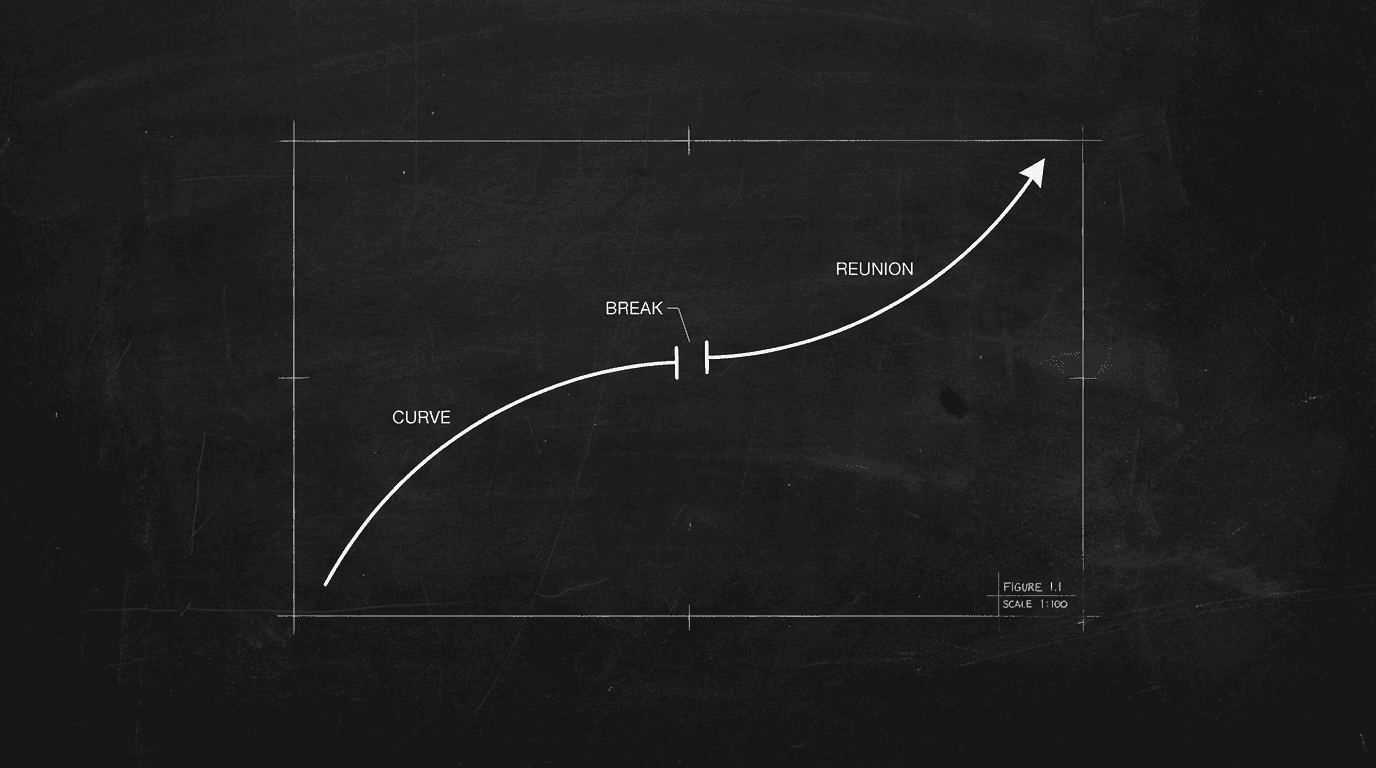
Before you write (or when you’re rewriting), list the seven beats. For each, write one sentence. What happens? Then ask: is the complication real? Could the break-up be fixed with one conversation? If yes, deepen the obstacle. Then ask: do we see the dark night? What do they learn? If the reunion doesn’t follow from growth, add a beat where they face themselves. The structure is a checklist. The craft is in making each beat feel earned and specific to your world. For more on how to structure the middle of a script, see the fun and games beat and the second act, in a rom-com, the “fun and games” is often the midpoint high, the best version of the couple.
One External Resource
For a concise overview of romantic comedy as a genre and its conventions, see Romantic comedy film on Wikipedia. Reference only; not affiliated.
The Perspective
The seven beats aren’t optional. They’re what the audience came for. Meet. Complicate. Break. Learn. Reunite. Your job is to hit them in a way that feels true to your characters and your world. When you do, the structure disappears and the story takes over. When you don’t, when you skip the dark night or fudge the complication, the audience feels the gap. Hit the beats. Make them yours.
Final Step
Build your next script with Screenweaver
Move from ideas to production-ready pages faster with timeline-native writing and AI-assisted story flow.
Try Screenweaver