

Your protagonist is "stubborn." Or "too proud." Or "clumsy." The reader has seen that a thousand times. The fatal flaw in serious drama isn't a quirk or a single adjective. It's a psychological pattern that actually blocks the character from getting what they need. It has a history. It has a cost. And it's the thing the story will force them to face, or be destroyed by. Moving beyond "clumsy" means building flaws that are specific, rooted in belief or wound, and that create real obstacles. Here's how.
A real fatal flaw isn't what the character is bad at. It's what they can't stop doing, and why, even when it hurts them.
Think about it this way. In life, people have patterns. They repeat the same mistake. They push away the thing they want. They choose the safe option every time. The fatal flaw is that pattern. On the page, it has to be active. Not "she's shy." That's a state. "She avoids conflict so intensely that she never says what she needs" is a pattern that produces scenes. The flaw drives behavior. The behavior creates consequences. The consequences create the story. Our guide on want vs need fits here: the need is often to overcome or face the flaw; the want is what the flaw is blocking. This piece is about designing the flaw so it's deep enough to carry the weight.
Why "Clumsy" and "Stubborn" Aren't Enough
"Clumsy" is a trait. It might cause a pratfall. It doesn't block the character from love, success, or truth. It's surface. "Stubborn" is closer, it can create conflict, but it's still vague. Stubborn how? About what? The fatal flaw that works has specificity and stake. The character doesn't just "have a temper." They have a temper that flares when they feel disrespected, and they've lost jobs and relationships because they can't let a slight go. Now we have behavior (can't let it go), history (lost jobs), and stake (they're about to lose the one thing that matters). The flaw is a engine for scenes. Every time they're disrespected, we know what might happen. Every time they're tempted to let it go, we feel the tension. That's psychological depth.
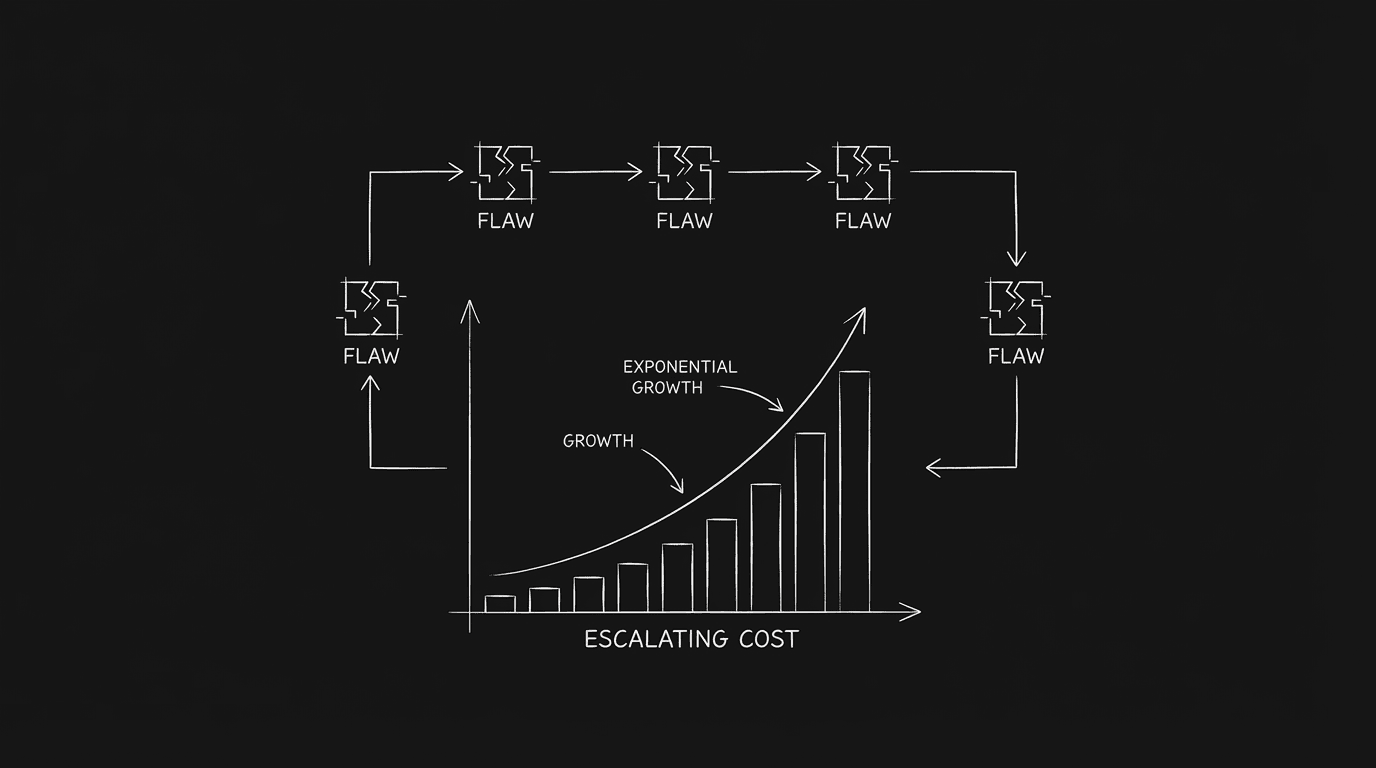
Another trap: the flaw that's only there for one beat. The character is "too trusting" so they can be betrayed in Act 2. After that, the flaw disappears. The flaw should recur. It should block them more than once. It should be the thing they're still fighting (or succumbing to) in the climax. When the flaw is structural, when the story is built around the character's repeated failure to overcome it, the climax has weight. They've been here before. This time it's for everything.
Relatable Scenario: The Leader Who Can't Delegate
The protagonist is capable. They've built something. But they can't let go. They have to control every detail. The "flaw" isn't "perfectionism" in the abstract. It's "they don't trust anyone else to do it right, because once they did and it cost them." So the flaw has a root. Maybe they delegated once and it failed. Maybe they were betrayed. Now the pattern is: take everything on, burn out, push people away. The story can force a moment where they have to delegate or lose everything. The flaw isn't a label. It's a belief ("I'm the only one who can do this") that drives behavior and that the story will test. For more on how the need works against the want, see want vs need: the need might be "learn to trust others"; the flaw is what's in the way.
Relatable Scenario: The Lover Who Sabotages Good Things
They want a relationship. They meet someone right. And they sabotage it. They pick a fight. They get distant. They find a reason to leave. The flaw isn't "they're scared of commitment." That's vague. It's "they believe they don't deserve good things, so when they get them, they destroy them before they can be taken away." Now we have a belief. The belief drives the behavior. The behavior has a pattern. The story can force them to see the belief and choose: keep destroying, or risk keeping. The fatal flaw is the thing they have to overcome to get the need. For relationship dynamics that sustain tension, see our guide on toxic relationships: the flaw can exist in both parties.
Relatable Scenario: The Hero Who Can't Ask for Help
They're competent. They're the one everyone leans on. But they never lean. When they're in trouble, they don't call. The flaw isn't "they're independent." It's "they believe that needing help is weakness, and they'd rather fail alone than be seen as weak." So when the story puts them in a situation they can't handle alone, the dramatic question is: will they ask? The flaw creates the obstacle. The climax might be the moment they finally ask, or the moment they don't, and we feel the cost. For protagonists who need to move from reactive to active, see passive protagonist: sometimes the flaw is what keeps them from acting.
The Trench Warfare Section: What Beginners Get Wrong
Naming the flaw without showing the cost. "She's stubborn." We're told. We never see it cost her something she cares about. Fix: In at least two scenes, show the flaw in action and show the consequence. She refuses to compromise; the deal falls through. She won't apologize; the relationship breaks. The audience needs to feel the cost.
Making the flaw sympathetic to the point of excuse. The character has a reason for the flaw. So we're told to understand. But if we only understand and never see the damage, the flaw doesn't feel fatal. Fix: Let the character's reason be real, and still let the flaw hurt them and others. We can feel for them and still see that the pattern has to change.
Using the flaw only in the climax. The character has been fine for two acts. In the climax they're "tested" and either overcome the flaw or don't. It feels unearned. Fix: Let the flaw block them or hurt them at least once in Act 1 and once in Act 2. By the climax we've seen the pattern. Now we're watching them break it, or not.
Choosing a flaw that doesn't block the need. The character needs to learn to trust. The flaw is "they're messy." Messy doesn't block trust. Fix: Align the flaw with the need. The flaw should be the obstacle to the need. If the need is "accept help," the flaw might be "can't ask for help." If the need is "let go of control," the flaw might be "can't delegate." One blocks the other.
Making the flaw a single event. They made one bad choice. That's not a flaw; that's a mistake. Fix: The fatal flaw is a pattern. They've done this before. They'll do it again unless something changes. The story is the moment the pattern is forced into the light.
Try it free
Try Screenweaver for free on your script
It is free. Import your existing project, get a clearer view of your outline, and regain control of your story structure in minutes.
Start FreeFatal Flaw: Surface vs. Depth
| Surface (weak) | Depth (strong) |
|---|---|
| "She's clumsy" | She avoids risk so completely that she never takes the leap that would change her life |
| "He's stubborn" | He can't admit he's wrong because his father taught him that weakness is fatal, and he's lost people because of it |
| "They're selfish" | They put their ambition first because they believe love will abandon them, so they abandon first |
| "She's cold" | She withholds affection because the one time she was fully open she was destroyed, now she never goes all in |
The right column gives you a belief, a pattern, and a stake. Use that as a template.
Step-by-Step: Building a Fatal Flaw With Depth
First: State the flaw in one sentence as a pattern. Not "they're X." "They do X when Y, and it costs them Z." Second: Ask what belief drives the pattern. What do they think is true about the world or themselves? Third: Give the flaw a history. One moment or one lesson that set the pattern. You don't have to put it all on the page. You need to know it. Fourth: Show the flaw in action at least twice before the climax. Each time, show the cost. Fifth: In the climax, force a choice that pits the flaw against the need. They can overcome the flaw (positive arc), refuse to (negative arc), or pay a price either way. Sixth: Make sure the flaw is the obstacle to the need. If it isn't, either change the flaw or change the need. For the arc types that result, see character growth types.
[YOUTUBE VIDEO: One character, three versions of the same flaw, surface (clumsy), medium (stubborn), deep (belief + pattern + cost), with scene comparisons.]
When the Flaw Doesn't Change (Negative Arc)
In a negative arc, the character doesn't overcome the flaw. They double down. They get the want and lose the need. Or they lose everything. The fatal flaw is still the engine, but the story is a cautionary one. We see the pattern. We see the cost. The character doesn't change. That can be as powerful as a positive arc when the cost is clear and the audience feels the tragedy of the refusal. For more on negative and flat arcs, see character growth types.
The Perspective
The fatal flaw isn't a label. It's a pattern rooted in a belief, with a history and a cost. It blocks the character from what they need. It recurs. It's tested in the climax. Move beyond "clumsy" and "stubborn" by making the flaw specific, active, and tied to the need. When the audience sees the pattern and feels the cost, the flaw does its job. When it's an adjective that only shows up once, it doesn't.
Final Step
Build your next script with Screenweaver
Move from ideas to production-ready pages faster with timeline-native writing and AI-assisted story flow.
Try Screenweaver