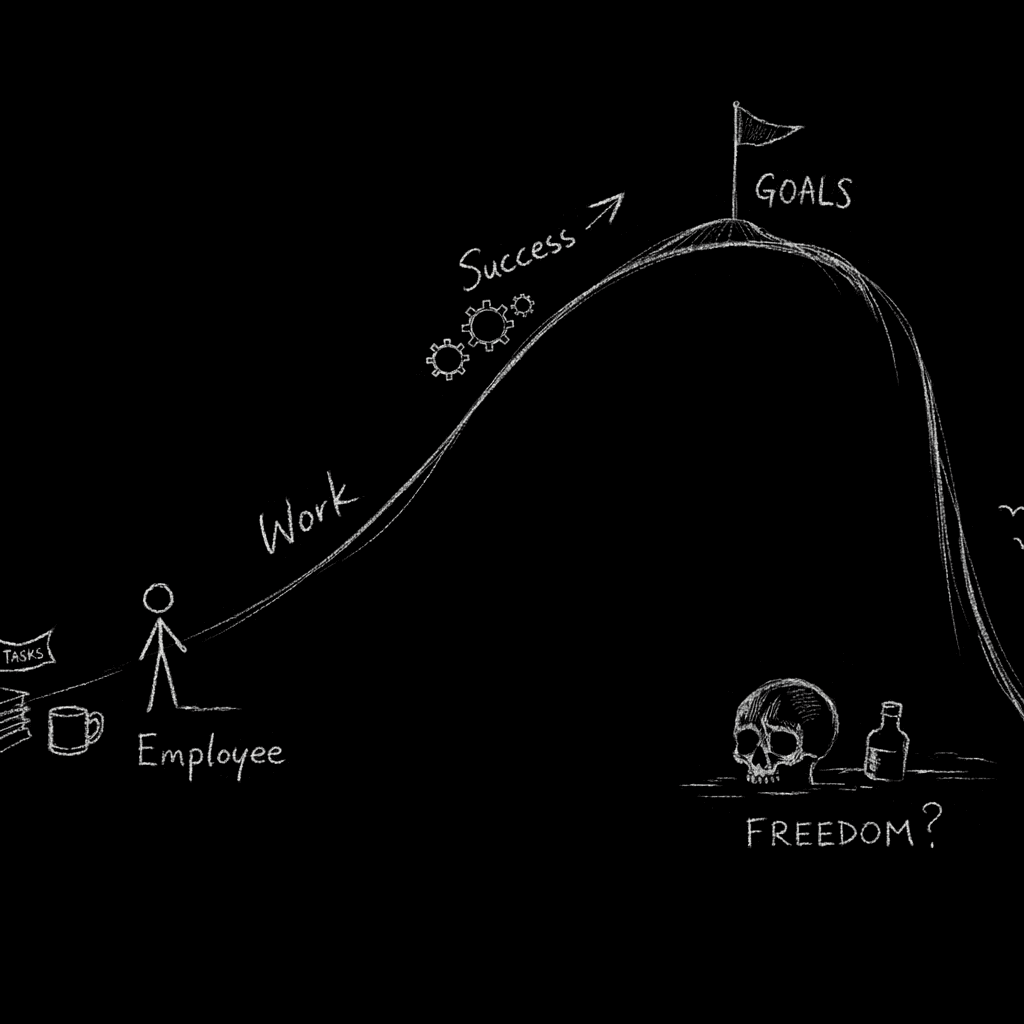

The three acts are a default. Setup, confrontation, resolution. But a lot of the films that get talked about,the ones that feel “elevated,” the ones that win festivals and fill arthouse screens,don’t follow that map. They stretch it. They delay the payoff. They refuse the clean resolution. A24 and similar distributors have become shorthand for this: films that look like genre (horror, drama, thriller) but behave differently. They’re not anti-structure. They’re playing with structure. When you study them, you see how to keep the audience engaged without giving them the beat sheet they expect. That’s useful. Not every script should be Hereditary or The Lighthouse. But every writer can learn from how those films hold attention without following the usual rules.
Subversion isn’t “no structure.” It’s structure that withholds or redirects what the audience expects.
Think about it. A traditional horror film has a clear inciting incident, a midpoint, a climax. The monster is real. The hero fights. We get a resolution. An A24-style horror might delay the horror. We’re in a family drama for 45 minutes. Then the turn. Or the “monster” might be grief, guilt, trauma,and the climax might be psychological, not physical. The structure is still there. It’s just bent. The writer is making choices: when do we turn? What do we withhold? What do we refuse to explain? Those choices are craft. So “subverting the three acts” doesn’t mean throwing out acts. It means using them differently. Delaying. Refusing. Redirecting. The audience stays because the film has promised something,mood, mystery, feeling,and it keeps that promise even when it doesn’t give the plot they expected. Our guide on beyond the hero’s journey is in the same spirit: there are other ways to shape a story. A24-style films are one example. Learn the rules. Then learn how to break them in a way that still holds the audience.
What “Subverting” Actually Means
Subversion here means: the film sets up an expectation (genre, structure, resolution) and then doesn’t deliver it in the expected way. The horror film doesn’t have a clear villain until late,or the villain is internal. The drama doesn’t have a tidy ending,it has an ambiguous one. The thriller doesn’t explain everything,it leaves gaps. The audience is kept in a state of uncertainty or discomfort. That can feel more “real” or more artistic. It can also feel frustrating if the filmmaker doesn’t give the audience something to hold onto. So the lesson isn’t “never resolve.” It’s “you can resolve in a way that surprises or unsettles.” Or “you can delay the turn so that when it comes, it hits harder.” Or “you can refuse the genre climax and offer a different kind of payoff,mood, theme, character.” The subversion has to serve the story. It’s not a gimmick. It’s a choice about what the film is doing to the audience.
How A24-Style Films Use Structure
Many of these films still have a three-act shape,but the acts are stretched or blurred. Act 1 might be long. We’re in the world. We’re in the mood. The “inciting incident” might be subtle,a look, a line, a small event,or it might come late. Act 2 might feel like one long middle. There’s no clear midpoint “twist” in the traditional sense. Instead there might be accumulation. Dread. Small turns. The “confrontation” might be internal. Act 3 might refuse the big climax. The resolution might be quiet. Ambiguous. The character might not “win.” They might just survive,or not. The film might end on an image, not an answer. So the structure is there. It’s just that the landmarks are different. The writer is choosing where to put the weight. Less on plot. More on mood, character, theme. Less on “what happens.” More on “how it feels.” That’s the A24 lesson: you can keep a spine and still refuse the genre’s usual moves. As with elemental structure, you’re thinking in forces,tension, release, accumulation,rather than in fixed plot points. The audience doesn’t get the beat sheet. They get an experience. The structure supports the experience; it doesn’t announce itself.
A Practical Comparison
| Traditional genre film | A24-style subversion |
|---|---|
| Clear inciting incident early | Inciting incident delayed or subtle |
| Midpoint twist (new info, new goal) | Middle is accumulation, mood, small turns |
| Climax = confrontation with villain/obstacle | Climax = psychological, ambiguous, or withheld |
| Resolution = victory or clear defeat | Resolution = ambiguity, image, feeling |
| Audience knows what kind of story it is | Audience is kept uncertain or unsettled |
The table is a simplification. Not every A24 film fits. But the pattern is useful. When you want to write something that feels less “by the numbers,” you can delay, withhold, or redirect. You don’t have to abandon structure. You have to use it differently. Our guide on the 3-act structure gives you the default. This gives you permission to bend it,when the story calls for it.
Relatable Scenario: The Horror Script That Feels Too Familiar
You’re writing horror. The monster appears on page 15. The hero fights on page 90. It feels like every other horror film. Try this: delay the monster. Keep us in the world of the family, or the couple, or the place. Let the dread build. Let the “inciting incident” be something small,a sound, a look. Then when the turn comes, it hits harder. Or: make the “monster” internal. The climax isn’t a fight. It’s a breakdown. A choice. A sacrifice. The structure is still there. You’ve just moved the landmarks. That’s subversion. You’re not throwing out the map. You’re drawing a different one.
Try it free
Try Screenweaver for free on your script
It is free. Import your existing project, get a clearer view of your outline, and regain control of your story structure in minutes.
Start FreeRelatable Scenario: The Drama That Wants a Clean Ending
Your script has a clear resolution. The character wins. The audience goes home satisfied. But the story might be stronger with an ambiguous end. They don’t win. They don’t lose. They’re in a new place and we’re not sure what it means. Try it. Write the ambiguous version. See if it lands. Not every drama should end that way. But when the theme is uncertainty or cost, an ambiguous ending can be the right move. That’s a subversion of the “resolution” beat. The audience gets feeling instead of answer. Use it when the story earns it.
The Trench Warfare Section: What Beginners Get Wrong
Subverting for its own sake. You withhold the climax because you’ve heard that A24 films don’t have climaxes. The audience feels cheated. Fix: Subversion has to serve the story. If the film is about the impossibility of resolution, then an ambiguous end fits. If the film has been promising a confrontation and you don’t deliver, the audience will feel tricked. Subvert with intention. Not to be “arty.”
No structure at all. “We’re subverting, so we don’t need a shape.” The film meanders. The audience checks out. Fix: A24-style films still have shape. They have tension. They have turns. They have a sense of progression. The shape might be mood or accumulation rather than plot. But there’s a shape. Find it. Subversion is bending the shape, not removing it.
Confusing “subversion” with “confusion.” The audience doesn’t understand what’s happening. That’s not subversion. That’s unclear writing. Fix: The audience can be unsettled or uncertain about meaning. They shouldn’t be lost about what’s happening. Clarity of event, ambiguity of meaning,that’s the goal. If they don’t know who did what, you’ve lost them. If they don’t know what it means, you might have them exactly where you want them.
Copying a specific film. You love Hereditary. So you write Hereditary again. It feels derivative. Fix: Steal the principle,delay the turn, refuse the clean resolution, lean on mood,not the plot. Your story is your story. Use the subversion to serve it, not to imitate.
Assuming every script should subvert. Not every story wants to be ambiguous or unsettling. Some stories want a clear climax and a clear resolution. Fix: Use subversion when the story calls for it. When the theme is uncertainty, cost, or the limits of resolution, then bend the structure. When the story is a straightforward genre piece, give the audience the payoff they came for. The tool is in the kit. Use it when it fits.
Step-by-Step: When to Subvert and How
Ask: what does my story promise? Plot? Genre payoff? Mood? Theme? Then ask: can I deliver that promise in a way that surprises or unsettles? If you delay the inciting incident, does the story hold? If you refuse the clean climax, does the theme land? If you end on an image instead of an answer, does the audience feel the film is complete? Try the subverted version in outline. If it feels right, write it. If it feels like you’re cheating the audience, stick closer to the traditional map. Subversion is a choice. Make it when the story earns it. Our guide on Kishōtenketsu offers another model for stories that don’t rely on conflict-climax-resolution; A24-style subversion is one way to get there within a Western framework. Use the one that fits your script.
[YOUTUBE VIDEO: One A24-style film broken down,where the “expected” beats would be, and where the film instead delays, withholds, or redirects.]
The Perspective
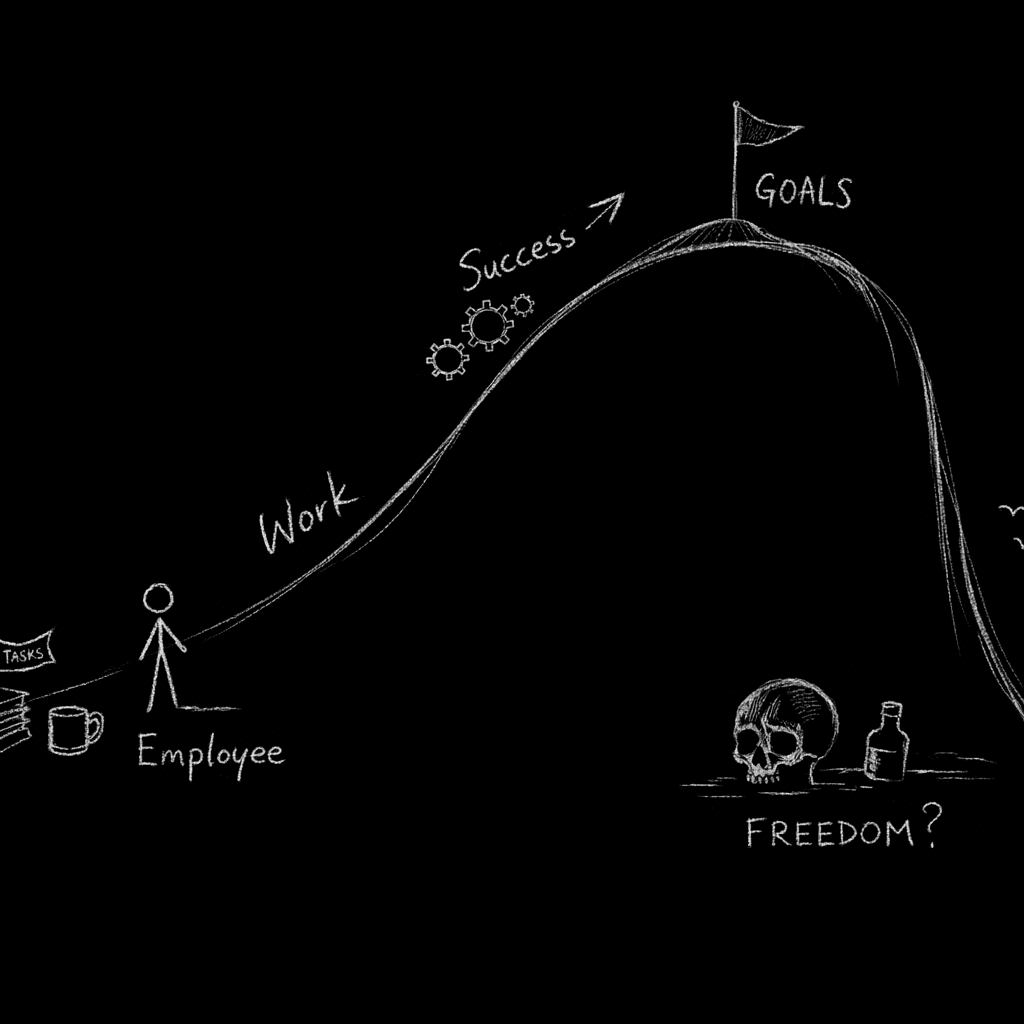
Subverting the three acts doesn’t mean throwing them away. It means using them differently. Delaying the turn. Refusing the clean resolution. Leaning on mood and theme instead of plot. When you do it with intention,when the subversion serves the story,the audience gets something they didn’t expect. They get an experience, not just a plot. That’s the lesson from the films that bend the rules. Learn the rules first. Then learn how to bend them. And only bend when the story asks for it.
Final Step
Build your next script with Screenweaver
Move from ideas to production-ready pages faster with timeline-native writing and AI-assisted story flow.
Try Screenweaver