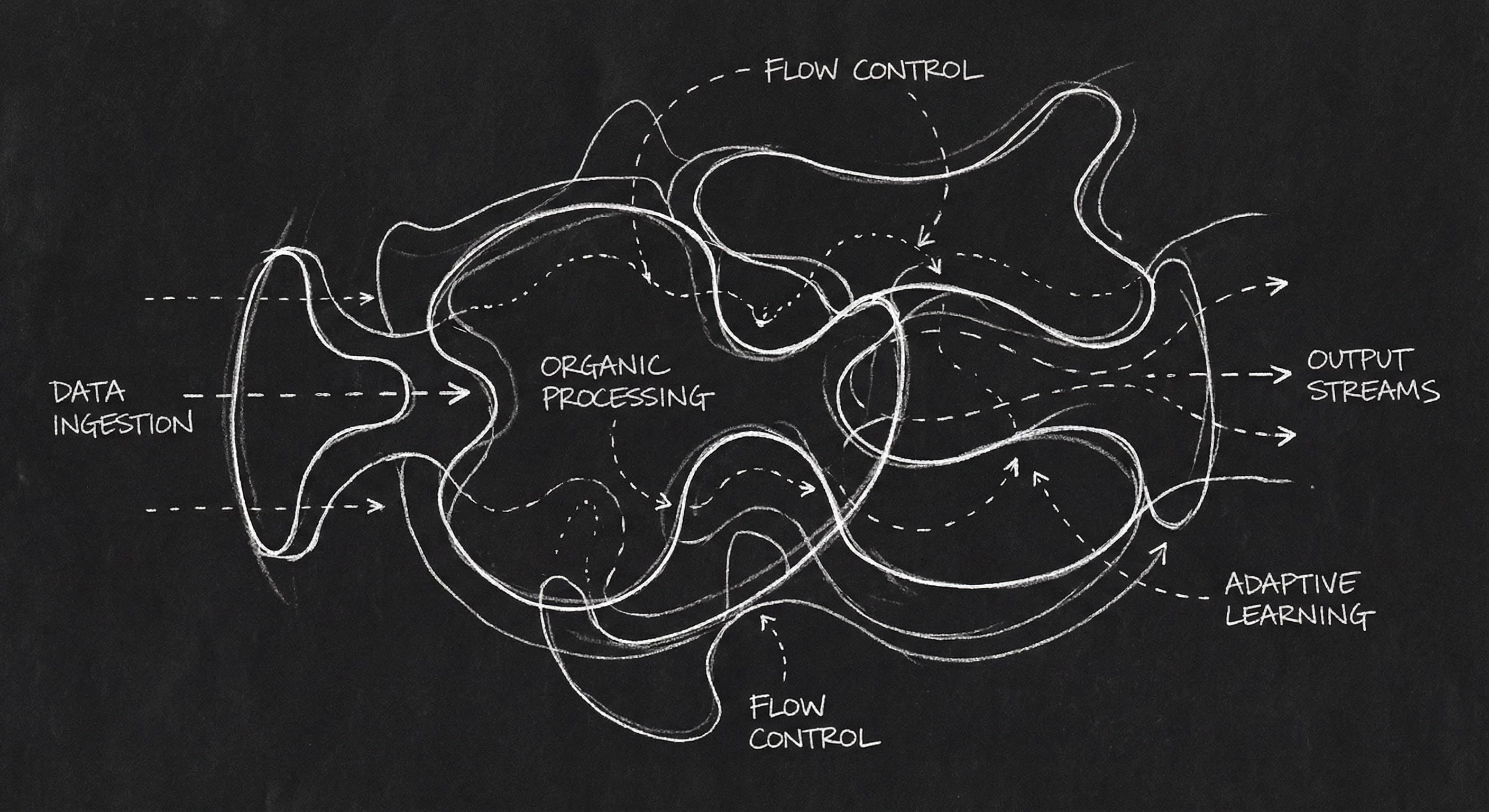

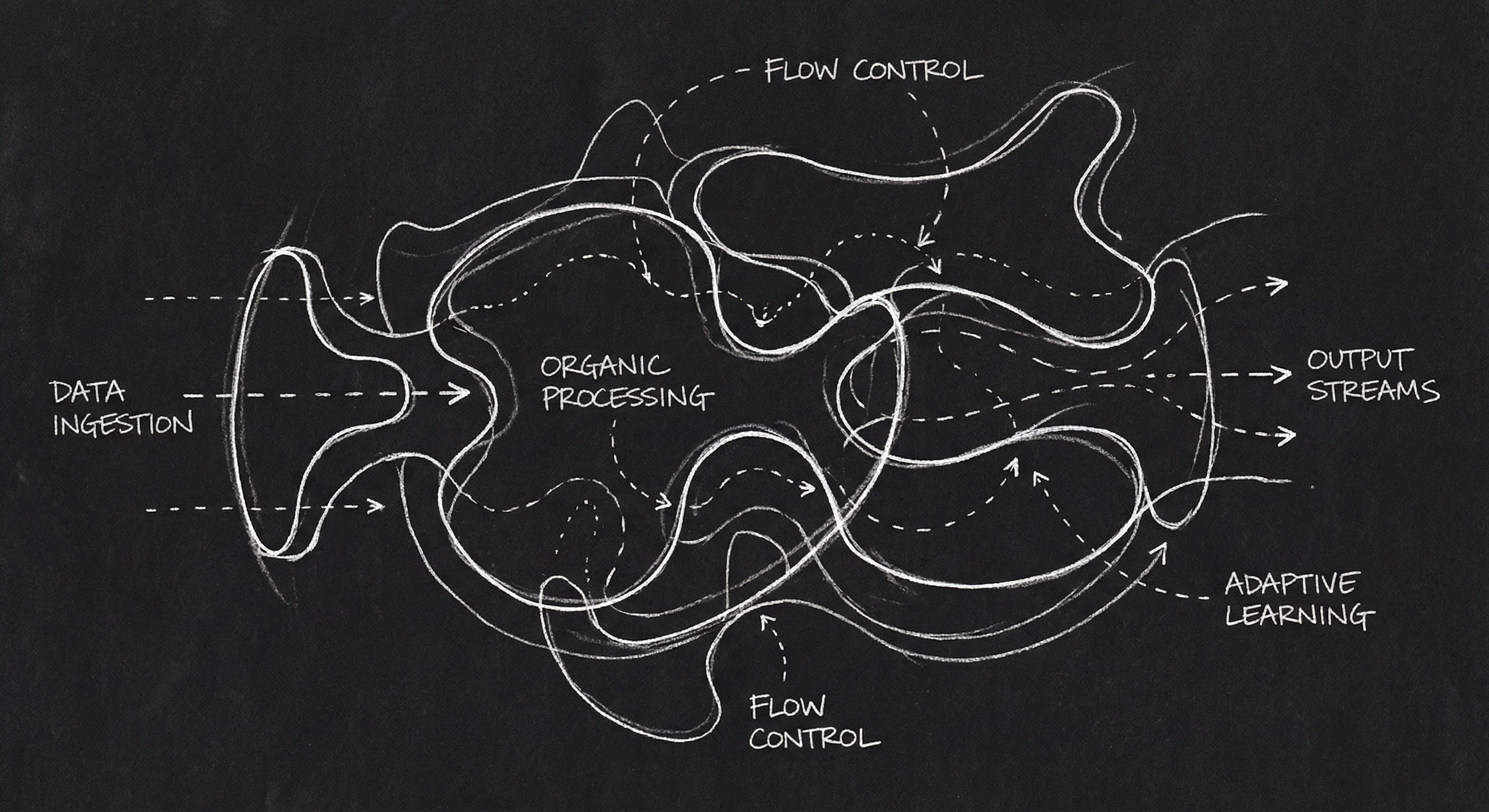
Acts are useful. So are beat sheets. But they’re not the only way to see a story. Elemental structure is the idea that a story is made of elements,building blocks that can be combined in different ways. Fire, water, earth, air is one metaphor. Setup, complication, reversal, resolution is another. The point isn’t to replace the three acts. It’s to see the story as something more fluid. Elements can repeat. They can reorder. They can overlap. Some stories don’t fit a clean act break. They fit a pattern of forces,tension, release, accumulation, shift. When you think in elements, you’re less likely to force a story into a shape it doesn’t want. You’re more likely to find the shape it already has.
Not every story has three acts. Every story has elements that build, clash, and resolve.
Think about it. A mood piece might have no clear “midpoint.” It might have waves,pressure, release, pressure again. A thriller might be one long rise with small dips. A tragedy might be a slow burn that never releases. The three-act model is a default. It works for a lot of stories. It doesn’t work for all. Elemental structure is a lens: what are the forces in your story? What accumulates? What releases? What repeats? When you name those, you can structure by them instead of by a template. You’re not abandoning craft. You’re expanding the vocabulary.
What “Elements” Means Here
In this context, elements are recurring types of story energy or movement. They’re not fixed plot points. They’re patterns. For example: tension (something is at stake, something is wrong), release (a moment of relief, victory, or catharsis), accumulation (information or pressure builds), shift (the rules change, the direction changes). Different stories weight these differently. A comedy might alternate tension and release in short cycles. A drama might accumulate for a long time, then release once. A mystery might shift repeatedly,each reveal changes what we thought we knew. When you look at your story in terms of elements, you ask: where is the tension? Where is the release? Where does something accumulate? Where does something shift? The answers give you a structure that fits the story, rather than forcing the story into Act 1, 2, 3.
You can use your own names. Some writers think in terms of question and answer,the story poses questions, then answers them (or doesn’t). Some think in terms of desire and obstacle,the story is a series of wants and blocks. The elemental approach just says: name the forces. Then arrange the story so those forces have a shape. That shape might look like three acts. It might look like something else. Both are valid.
How This Differs From Act Structure
Act structure is positional. Page 25, inciting incident. Page 50, midpoint. The location on the timeline matters. Elemental structure is relational. You’re asking: what kind of energy is in this section? How does it relate to what came before and what comes after? So you might have “tension” in the first third, “accumulation” in the middle, “shift” at the turn, “release” at the end. Or you might have tension and release alternating throughout. The elements don’t have to map one-to-one to acts. They can repeat. They can overlap. A scene can have tension and shift in the same beat. The value of thinking this way is flexibility. When your story resists “midpoint at page 55,” you don’t have to force it. You can ask: where is the shift? Where is the accumulation? And structure around that.
| Act thinking | Elemental thinking |
|---|---|
| “I need a midpoint at page 55” | “I need a shift,where does the story turn?” |
| “Act 2 is sagging” | “Where is the accumulation? Is it building?” |
| “Three acts” | “What are the recurring forces? How do they pattern?” |
As with structures beyond the hero’s journey, the goal is to have more than one way to see your story. Elemental structure is one more lens. Use it when the standard map doesn’t fit.
Relatable Scenario: The Mood Piece
You’re writing something quiet. No villain. No single climax. It’s about a character moving through a period of their life. Act structure might make you feel you need a “midpoint” and a “climax.” But the story doesn’t have them in a traditional sense. It has accumulation,small moments that build a feeling,and release,maybe a decision, maybe just an acceptance. When you think in elements, you don’t force a false midpoint. You ask: where does the weight accumulate? Where does it lift? You structure toward those. The story keeps its shape. You’re not cramming it into three acts.
Try it free
Try Screenweaver for free on your script
It is free. Import your existing project, get a clearer view of your outline, and regain control of your story structure in minutes.
Start FreeRelatable Scenario: The Multi-Peak Thriller
Your thriller has several crises. Not one big climax,several. Act structure might make you want to merge them or choose one “real” climax. Elemental structure says: you have repeated tension and release. The pattern is wave-like. So you structure for that. Each crisis is a peak. Each resolution is a partial release,then the next tension builds. You’re not wrong for having multiple peaks. You’re writing a story where the element that repeats is “crisis.” Structure so the repetition has rhythm,escalation, or variation,and the audience will feel the shape. Our guide on the Fichtean curve is close to this: crisis after crisis. Elemental thinking just generalizes it: name the element (crisis, shift, release) and let the story pattern around it.
The Trench Warfare Section: What Beginners Get Wrong
Using “elemental” as an excuse for no structure. “My story is elemental, so I don’t need shape.” That’s not elemental structure. That’s no structure. Fix: Elemental structure still requires you to name the forces and arrange them. It’s a different way to see shape, not an absence of shape. If you can’t name the elements (tension, release, shift, accumulation), you’re not there yet.
Forcing every story into elements. Some stories are cleanly three-act. You don’t have to reframe them. Fix: Use elemental thinking when the story resists acts,mood pieces, multi-peak stories, circular narratives. When the story fits the act model, use it. The elements are an alternative, not a replacement for every project.
Vague element names. “The story has energy.” That doesn’t help. Fix: Name specific forces. Tension. Release. Shift. Accumulation. Question. Answer. Desire. Obstacle. Use words that tell you what kind of beat you’re in. The more precise the element, the more useful the lens.
Ignoring sequence. Elements can repeat, but they still happen in order. You can’t have release before tension and expect the audience to feel it. Fix: Think in elements and in sequence. Where does the first tension land? Where does the first release land? The order matters. Elements are a way to label what’s happening, not a way to ignore when it happens.
Confusing elements with theme. “The element is ‘love.’” Love is a theme or a subject. Tension, release, shift are structural elements,kinds of movement. Fix: Keep elements as structural. They describe the kind of energy or movement in a section. Theme is what the story is about. Structure is how the story moves. Don’t mix them up.
Step-by-Step: Applying Elemental Thinking
Take your story (outline or draft). For each section, ask: is this tension, release, accumulation, or shift? Label the sections. Look at the pattern. Do you have long stretches of one element? Do you have alternation? Do you have a single big shift? Now ask: does this pattern match what you want the audience to feel? If the middle is all accumulation and no release, is that intentional (relentless) or accidental (sagging)? Adjust. Add a small release, or lean into the relentlessness. The elements don’t dictate the story. They help you see it. Once you see it, you can shape it. Our guide on theme vs. plot is relevant: theme is what you’re saying; structure (including elements) is how you’re moving the audience through it. Use elements to check that the movement is the one you want.
[YOUTUBE VIDEO: Short explanation of tension/release/accumulation/shift with one film example,how the same story can be read in acts vs in elements.]
The Perspective
Acts and beat sheets are tools. So is elemental structure. The point is to have a way to see your story that fits the story you’re telling. When three acts feel like a straitjacket, try naming the elements. When you see the pattern,tension, release, accumulation, shift,you might find the shape your story already had. Then you’re not forcing. You’re following.
Final Step
Build your next script with Screenweaver
Move from ideas to production-ready pages faster with timeline-native writing and AI-assisted story flow.
Try Screenweaver