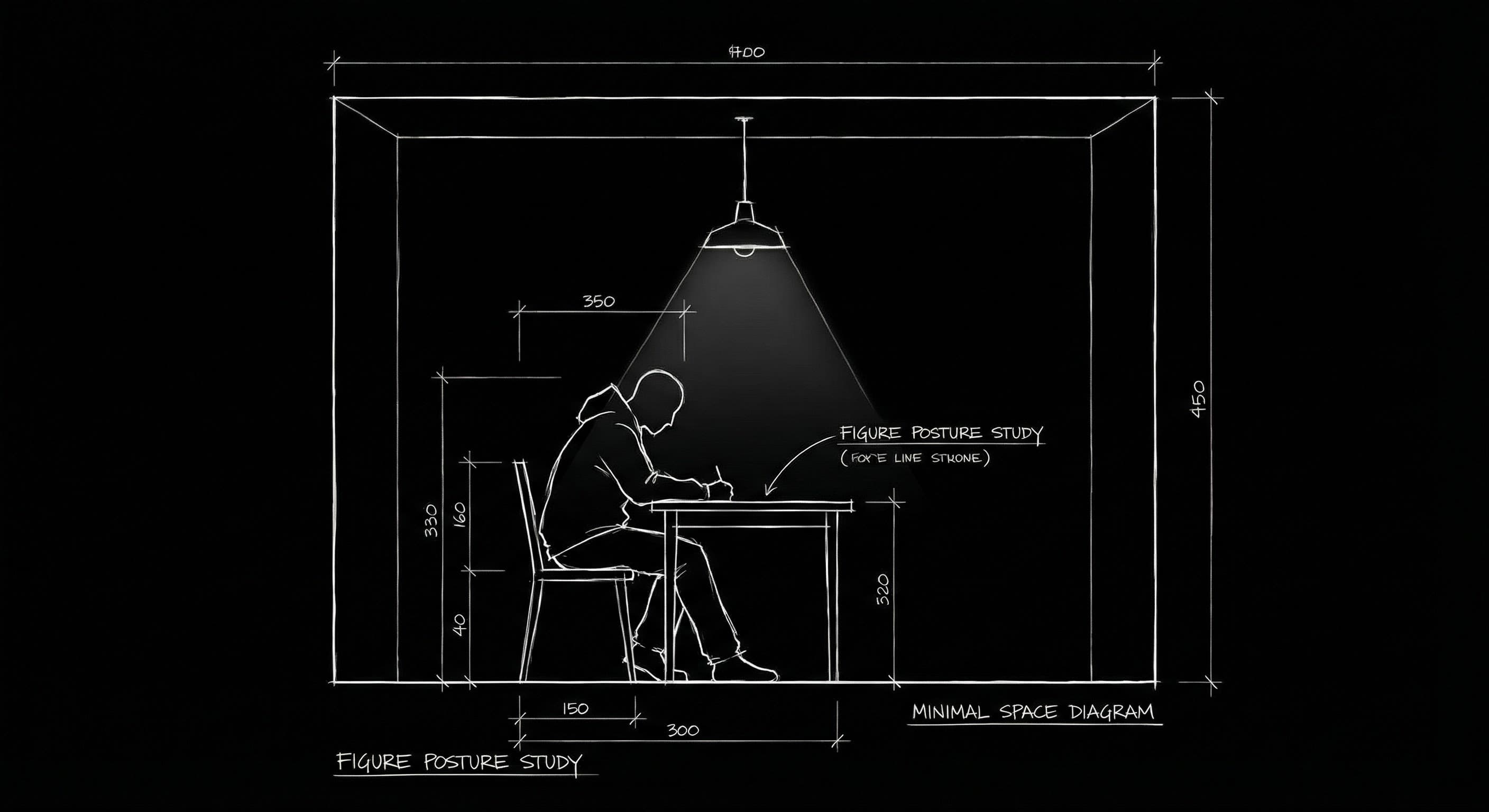

No dialogue. No voice-over. Just a person in a room, or a place, or a moment. The script has to convey everything through action, image, and rhythm. That's a silent scene. Not "no sound",no spoken words. The audience reads the story in the character's face, their hands, the way they move or don't move. Writing it is harder than it looks. You can't fall back on explanation. You have to trust the image and the beat. When it works, it's the kind of sequence that stays with people. They don't remember the line. They remember the silence.
Silent scenes are not empty. They're full of intention. Every gesture, every cut, every pause is doing story work. The writer's job is to put that on the page so the director and the actor can see it,without cluttering the read with camera directions or novelistic description.
Why Write Silence?
Dialogue is efficient. A character can say what they feel. But some moments are stronger when no one speaks. The weight of a decision. The moment after bad news. The slow realization. The goodbye that can't be put into words. When you write a silent scene, you're saying: this moment is too big or too fragile for speech. The audience has to feel it. They have to watch. That demand creates a different kind of attention. The room gets quiet. The viewer leans in. The silence becomes the content.
Silent scenes also show character. What does the character do when they're not performing for anyone? Do they fall apart? Do they go very still? Do they do something small and precise,making coffee, folding a shirt,that reveals how they're holding it together? Dialogue can lie. Behavior under pressure is harder to fake. The silent scene is where you let behavior carry the story.
In a silent scene, the audience is doing the work. You're not telling them what to feel. You're giving them the evidence. They supply the feeling.
What Belongs on the Page
You're writing for the reader first. They need to see the scene. So you write action. Clear, present-tense action. "She stands at the window. Doesn't turn. Her hand finds the frame. Grips it." You're not writing "she feels overwhelmed." You're writing what we see. The reader infers the feeling. The actor will too. The director will block it. Your job is to give them the beats.
You can indicate duration. "A long beat." "She doesn't move. Five seconds. Ten." You can indicate sound,or the absence of it. "No traffic. No birds. Just the hum of the fridge." Sound design is part of a silent scene. The lack of dialogue doesn't mean the world is mute. The drip of a tap. The distant siren. The breath. Those details go in the action block. For more on how to specify sound without overwriting, see how to describe sound effects in a screenplay.
You can use minimal subtext in parentheticals if it's necessary for the performance,but sparingly. "(Trying not to cry.)" is okay when the action doesn't make it obvious. Prefer action. "Her jaw tightens. She looks away." That's better than "(Holding back tears.)." Show the body. Let the actor and the audience do the rest.
What to Avoid
Don't direct the camera unless it's essential. "We see her face" is often unnecessary,we're in the scene, we see what you describe. "Close on her hands" might be necessary if the hands are the story beat and you need to emphasize that. Use that kind of direction rarely. The silent scene lives in the action lines. Let them do the work.
Don't over-describe. You're not writing a novel. "She walks to the kitchen, her bare feet cold on the tile, the morning light slanting through the blinds, the smell of yesterday's coffee still in the air." That's atmosphere. Some of it might be useful. Most of it will slow the read. Pick one or two sensory details. Keep the rest in your head. The script is a blueprint. Leave room for the director and the actor.
Don't explain the emotion in the action. "She is overwhelmed with grief." That's telling. "She sinks to the floor. Sits there. Doesn't get up." That's showing. The reader and the audience get "overwhelmed with grief" from the behavior. You don't have to name it.
Relatable Scenario: The Morning After
Two people spent the night together. One wakes first. They look at the other. They don't wake them. They get up. They find their clothes. They pause at the door. Do they look back? Do they leave a note? Do they just leave? No dialogue. The entire story is in the choices: what they pick up, how long they pause, whether they close the door softly or let it go. The writer's job is to put those choices on the page. "She slides out of bed. Stands. Looks at him. Doesn't wake him. She finds her shirt, her jeans. Dresses in the half-light. At the door she stops. One beat. She doesn't look back. She goes." The reader sees the scene. They feel the weight. No one had to say "I'm not staying."
Relatable Scenario: The Bad News
A character gets a phone call. We don't hear the call,we're with them. They listen. Their face changes. They hang up. Then: silence. What do they do? Do they sit? Do they stand in the middle of the room? Do they go to the window? Do they pick up something,a photo, a glass,and put it down? The silent beat after the call is where the emotion lands. Write the behavior. The audience will feel the rest.
Try it free
Try Screenweaver for free on your script
It is free. Import your existing project, get a clearer view of your outline, and regain control of your story structure in minutes.
Start FreeWhat Beginners Get Wrong (The Trench Warfare Section)
Filling the silence with stage direction. They write "(Silence.)" or "(Pause.)" between every beat. That's not writing the scene. That's announcing that nothing is being said. The silence is in the rhythm of the action. Short lines. White space. A beat where we sit with the image. You don't need to label "silence." You need to write the beats that create it.
Relying on the actor to invent it. "She reacts." Reacts how? Give the actor something. "Her hand goes to her mouth. She takes a step back." Now they have a direction. "She reacts" is a placeholder. In a silent scene, the action lines are the script. Don't leave them blank.
Making it too long. A silent scene can be thirty seconds or two minutes. It can't be ten minutes unless the whole film is built for it. Most silent sequences are one to two pages. Enough to land. Not so much that the audience gets restless. If your silent scene runs five pages, ask what can be cut. What's the one image, the one gesture, that does the work? Sometimes less is more.
Adding dialogue at the last second. You're unsure. You add a line. "I don't know what to say." Now it's not a silent scene. It's a scene with one line. If you've committed to silence, commit. The moment you add dialogue, the contract changes. The audience was reading behavior. Now they're listening to words. Don't undercut the choice.
Forgetting sound. Silent means no spoken words. It doesn't mean no sound. The creak of the floor. The hum of the fridge. The character's breath. The absence of sound when we expect it. Sound design supports the silence. Indicate it when it matters. See our guide on sound effects in a screenplay for how to do that without overdirecting.
Step-by-Step: Writing the Silent Beat
Decide what the scene is about. One emotion. One decision. One shift. Then decide what we see. What does the character do? List three to five physical beats. No dialogue. Just actions. Now write them in present tense. Short sentences. One beat per line or two. Read it aloud. Does the rhythm feel right? Does it drag? Cut anything that doesn't earn its place. Add one sound or one environmental detail if it helps. Then stop. You're done when the reader can see the scene and feel the weight without a single line of dialogue.
[YOUTUBE VIDEO: A side-by-side look at a famous silent (or near-silent) sequence,script page vs. filmed scene,showing how action lines become performance.]
The Relationship to Visual Storytelling in General
Every scene benefits from visual storytelling. Objects. Environment. Behavior. In a silent scene, you're not leaning on dialogue at all. So the discipline is useful everywhere: when you write a scene with dialogue, you can still ask "what do we see?" and "what does the character do?" The more you practice silent scenes, the stronger your action lines become in every scene. You learn to write behavior. You learn to trust the image. That skill carries over. For a different angle on character without words, see the role of the protagonist vs. the main character,sometimes the "silent" element is who we're watching and why.
The Perspective
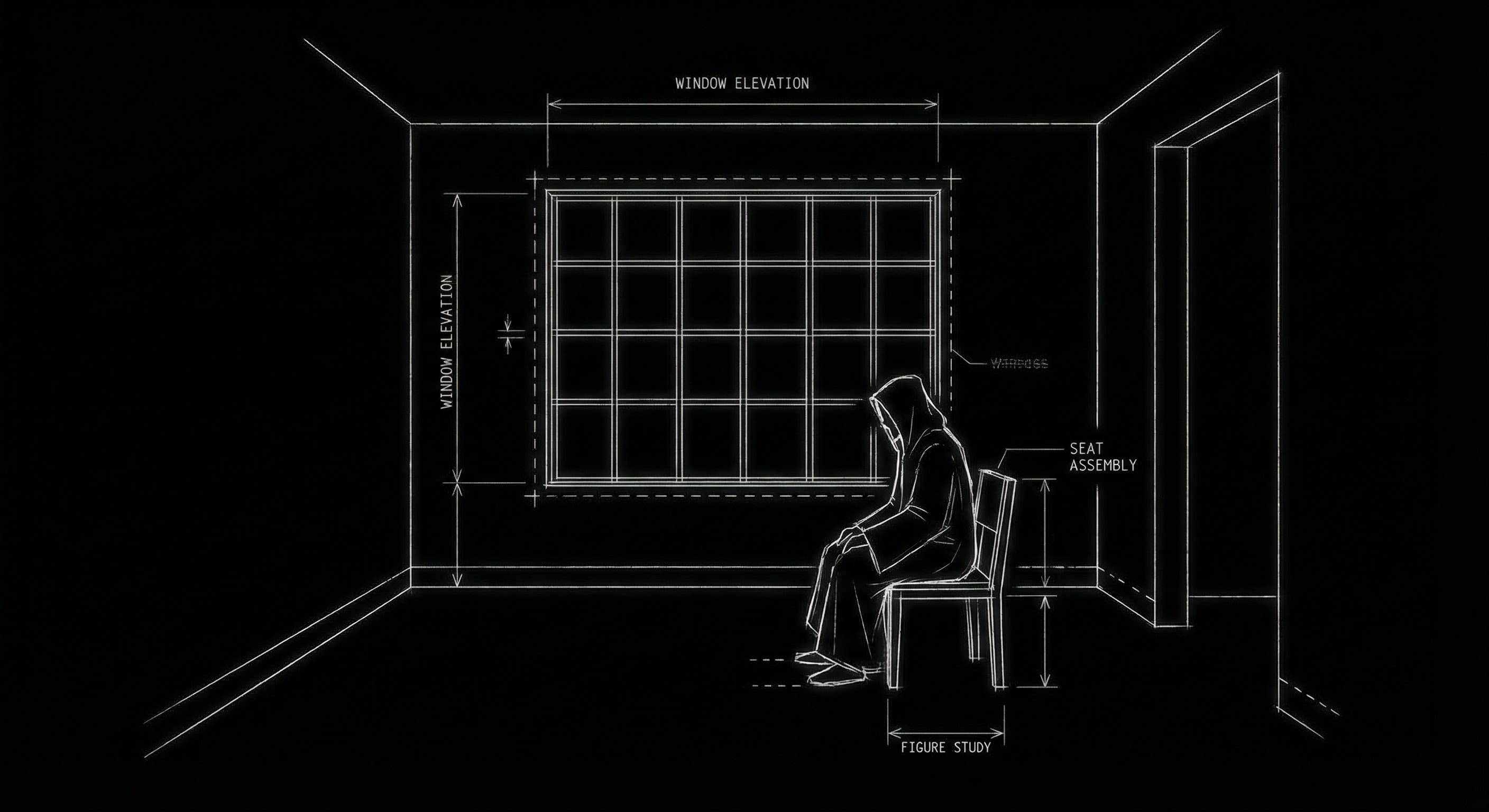
A silent scene is not a gap in the script. It's a choice. You're telling the story through behavior, image, and rhythm. Write the action. Trust the reader and the audience. Don't explain the feeling. Show the evidence. When you do that, the silence speaks.
Final Step
Build your next script with Screenweaver
Move from ideas to production-ready pages faster with timeline-native writing and AI-assisted story flow.
Try Screenweaver