
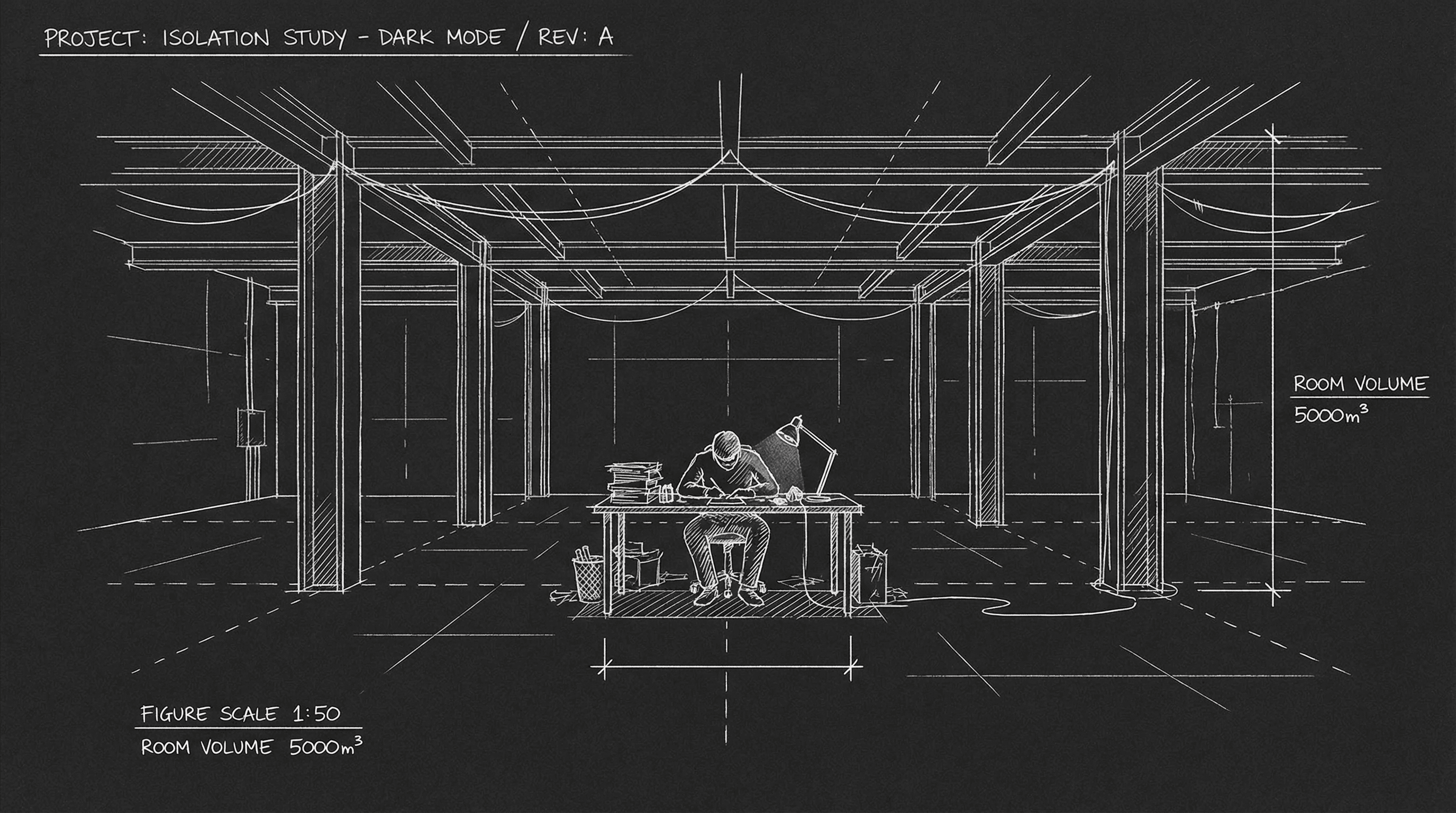
You're alone at the desk. Again. The script is yours. The doubt is yours. The wins and the rejections land on you with no one in the room to share them with. Writing is solitary. That's the job. But solitude can tip into isolation, and isolation makes everything harder. The block lasts longer. The imposter voice gets louder. The rejection feels like proof. Finding a community isn't optional if you want to last. It's how you stay sane, get better, and remember that you're not the only one in the boat. Here's how to find your people and why it matters.
Why the Loneliness Hits Hard
Writers work in private. We don't have a team meeting every morning. We don't have a boss who says "good job" or "fix this." We have a document and our own judgment. When things go well, there's often no one to tell. When things go badly, there's no one to absorb the blow. We compare our full reality, the drafts, the passes, the waiting, to other people's credits and announcements. We forget that they have the same private reality. The loneliness isn't just about being physically alone. It's about feeling like your experience is invisible. Like no one gets it. That feeling is corrosive. It makes you more likely to quit after a bad stretch. It makes you more vulnerable to imposter syndrome. It makes the work feel heavier than it has to. Community doesn't remove the difficulty. It distributes it. You hear that others have been there. You hear that they kept going. You remember you're not the only one.
Community doesn't remove the difficulty. It distributes it.
What "Community" Can Mean
It doesn't have to be a formal writers group. It can be two or three people who read each other's work and tell the truth. It can be a Discord or a Slack where writers share wins and rejections. It can be a class or a workshop that continues as a cohort after the class ends. It can be a mentor who's a few steps ahead. It can be online. It can be in person. The form matters less than the function: people who understand what you're doing, who don't need you to explain why a pass hurts or why a small win matters, and who show up when you need to vent or to celebrate. For writers with a day job, community might be the thing that happens in the margins, a monthly coffee, a weekly check-in. It doesn't have to be big. It has to be real.
Relatable Scenarios
Scenario one. You've been writing for years. You've never shared your work with anyone who really gets it. Your family is supportive but they don't read scripts. Your friends don't know what a "pass" means. You get a rejection and you have no one to talk to. The loneliness compounds. The fix isn't to explain screenwriting to everyone you know. It's to find one or two people who are in the same world. That might mean joining a contest or fellowship cohort, reaching out to someone from a class, or finding an online group for screenwriters in your genre or stage. You're not asking them to fix your script. You're asking for a shared reality. "I got a pass today." "I finished the draft." "I don't know if this is any good." Someone who can say "I've been there" and mean it.
Scenario two. You're in a group. But the feedback is vague or the vibe is competitive. You leave every meeting feeling worse. That's not community. That's a bad fit. You're allowed to leave. Look for a group where the norm is honesty without cruelty, where people root for each other, and where the focus is on the work rather than on status. They exist. You might have to try a few. Don't confuse "I haven't found my people yet" with "community doesn't work."
Scenario three. You're an introvert. The idea of "finding community" exhausts you. You don't want to go to mixers or join big groups. You don't have to. Community can be one writing partner. One person you trade pages with and text when something good or bad happens. The goal isn't to collect contacts. It's to have at least one person who gets it. That can be enough. Writing routines help you show up for the page. Community helps you show up for the long run. Both matter.
How to Find Your People
Take a class or workshop. Not just for the craft, for the cohort. The best part of a good class is often the people you meet. Stay in touch. Form a small group. Trade pages. Meet monthly. The class ends; the group doesn't have to.
Join an organization. WGA, WGA East, WGC, or local writers groups. Many have events, panels, or online forums. You don't have to go to everything. You have to show up sometimes. Say hello. Follow up with one or two people who seem like your speed.
Use the internet. There are Discord servers, Slack channels, and Facebook groups for screenwriters. Some are genre-specific. Some are for beginners or for writers in a certain city. Lurk first. See if the culture fits. Then participate. Share a win. Ask a question. Offer to swap pages.
Reach out to one person. You don't need a crowd. You need a few people. Think of someone you've met, at a conference, in a class, online, who seems like they'd get it. Send a message. "I'm working on a new draft and could use a reader." Or "I got a pass today and needed to tell someone who understands." Most writers are lonely too. They'll get it.
| What you need | What to look for |
|---|---|
| Someone who gets the work | Other writers, not necessarily at your level |
| Honest feedback | People who tell the truth without cruelty |
| Emotional support | People who celebrate wins and don't minimize rejections |
| Accountability | Optional; some want a deadline, some just want company |
Try it free
Try Screenweaver for free on your script
It is free. Import your existing project, get a clearer view of your outline, and regain control of your story structure in minutes.
Start FreeWhat Beginners Get Wrong: The Trench Warfare Section
Waiting until you're "ready." You think you'll look for community when you have a polished script or when you're "good enough." You're never ready. And community isn't about being ready. It's about having people who are in the same boat. Join now. Share a rough draft. The right people won't judge. They'll recognize themselves.
Only showing up when you need something. Community is reciprocal. You don't just show up when you have a script to share or when you got a pass. You show up when someone else has news. You read their pages. You remember what they're working on. You give before you ask. That's how trust builds. That's how you have people to call when you need them.
Confusing community with networking. Networking is about access, meeting people who can hire you or recommend you. Community is about support, people who understand the work and the emotional ride. Both can overlap. But if you're only in it for the access, people sense it. Community is built on "we're in this together," not "what can you do for me."
Giving up after one bad group. One group was toxic. One workshop was useless. So you decide community isn't for you. Try again. Different format, different people. One bad fit doesn't mean the whole idea is wrong. It means you need a different fit. For more on protecting your mental health in the long run, see burnout and when to take a break, community can help you notice when you're running on empty.
The goal isn't to collect contacts. It's to have at least one person who gets it.

When You're the One Who Moves
Some writers live nowhere near a writers hub. They're in a small town or another country. They can't go to a physical meetup every week. Online community is the answer. Video calls. Shared documents. A Discord that's active at your time zone. You're not missing out. You're just building community in a different shape. The loneliness is the same. The solution is the same: find people who get it. The medium is flexible.
One External Anchor
Organizations like the Writers Guild Foundation, Final Draft's Big Break, and regional film commissions often list workshops, labs, and events where writers can meet each other. (<a href="https://www.wgfoundation.org/" rel="nofollow">Writers Guild Foundation</a>.)
[YOUTUBE VIDEO: A panel of screenwriters, different career stages, talking about how they found their people, what their writing group does, and what they wish they'd known about community earlier.]
The Perspective
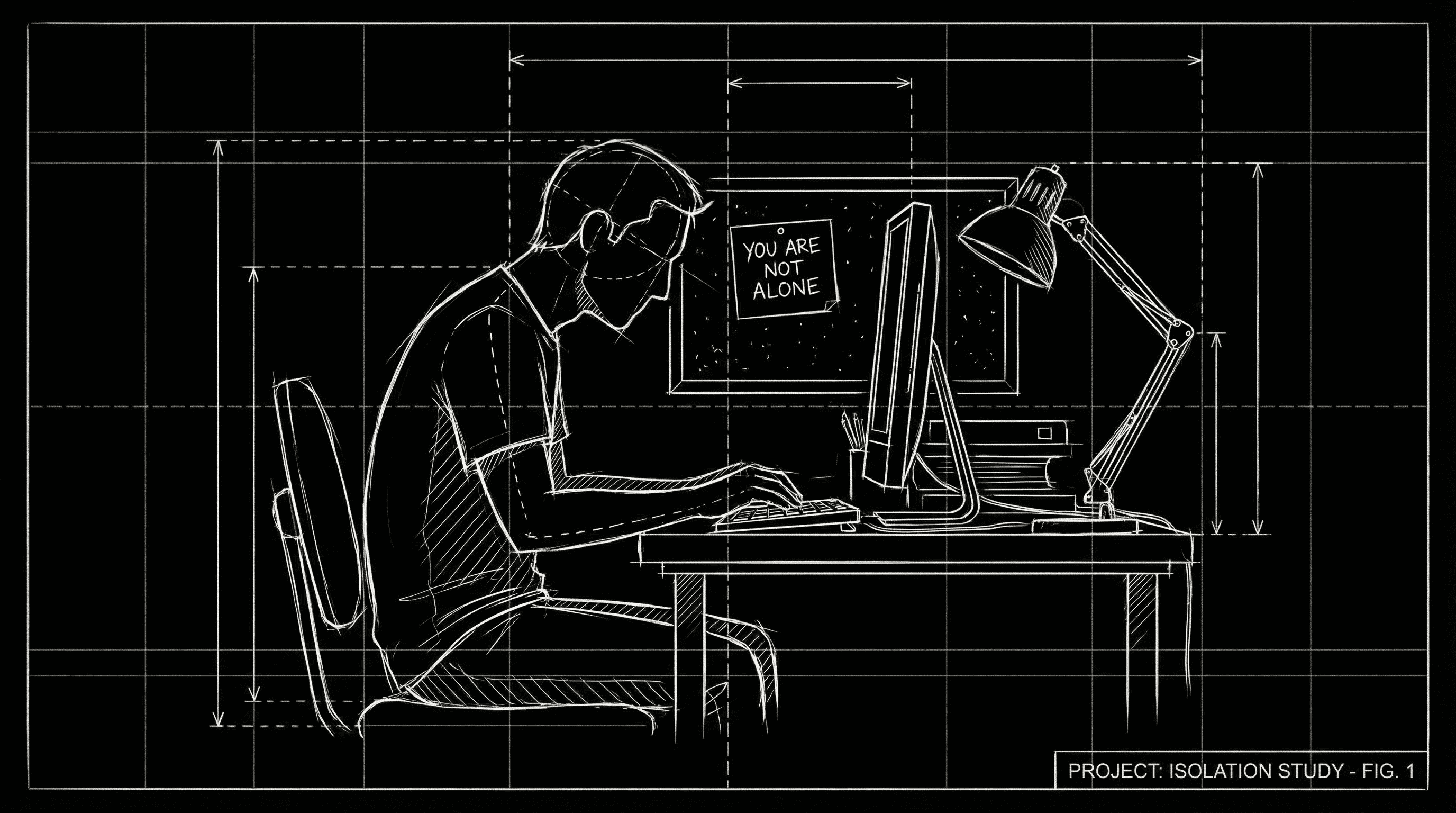
The loneliness of the long-distance screenwriter is real. Writing is solitary. But it doesn't have to be isolating. Find your people. One person or ten. Online or in person. The point is to have someone who gets it, who doesn't need you to explain why a pass hurts or why you're still rewriting. Community won't write the script for you. It will make the road less heavy. And when you're in the room or at the desk again, you'll know you're not the only one walking it.
Final Step
Build your next script with Screenweaver
Move from ideas to production-ready pages faster with timeline-native writing and AI-assisted story flow.
Try Screenweaver