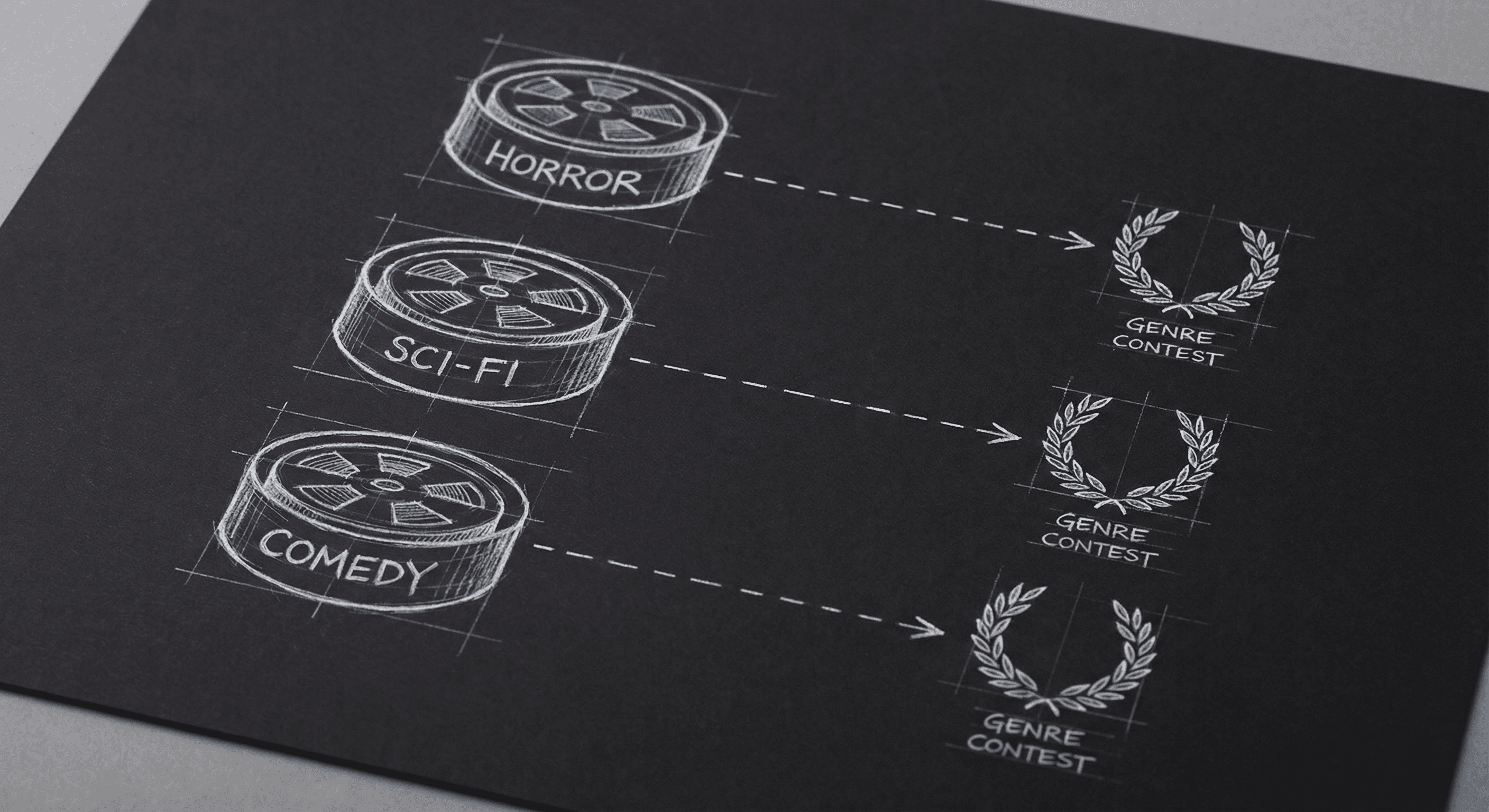

Genre-Specific Contests: Horror, Sci-Fi, and Comedy Comps
There's a moment you hit as a writer where general contests stop making sense. You send your horror script into an all-genre competition and the notes boil down to: "Well written, but very dark." You don't have a bad script. You have the wrong arena. Genre-specific contests, places like Killer Shorts, sci-fi labs, and comedy-only comps, are calibrated ecosystems where judges love the same tools you're using.
Why Genre-Specific Contests Exist
General contests have to serve both midnight horror crowds and Sunday morning drama audiences. Genre contests choose a tribe. Horror contests lean into tension, dread, and inventive violence. Sci-fi contests embrace big ideas and speculative logic. Comedy contests care obsessively about timing, surprise, and point of view. Judges come in primed; your tools are the main event.
Horror: How Killer Shorts–Style Comps Read Your Work
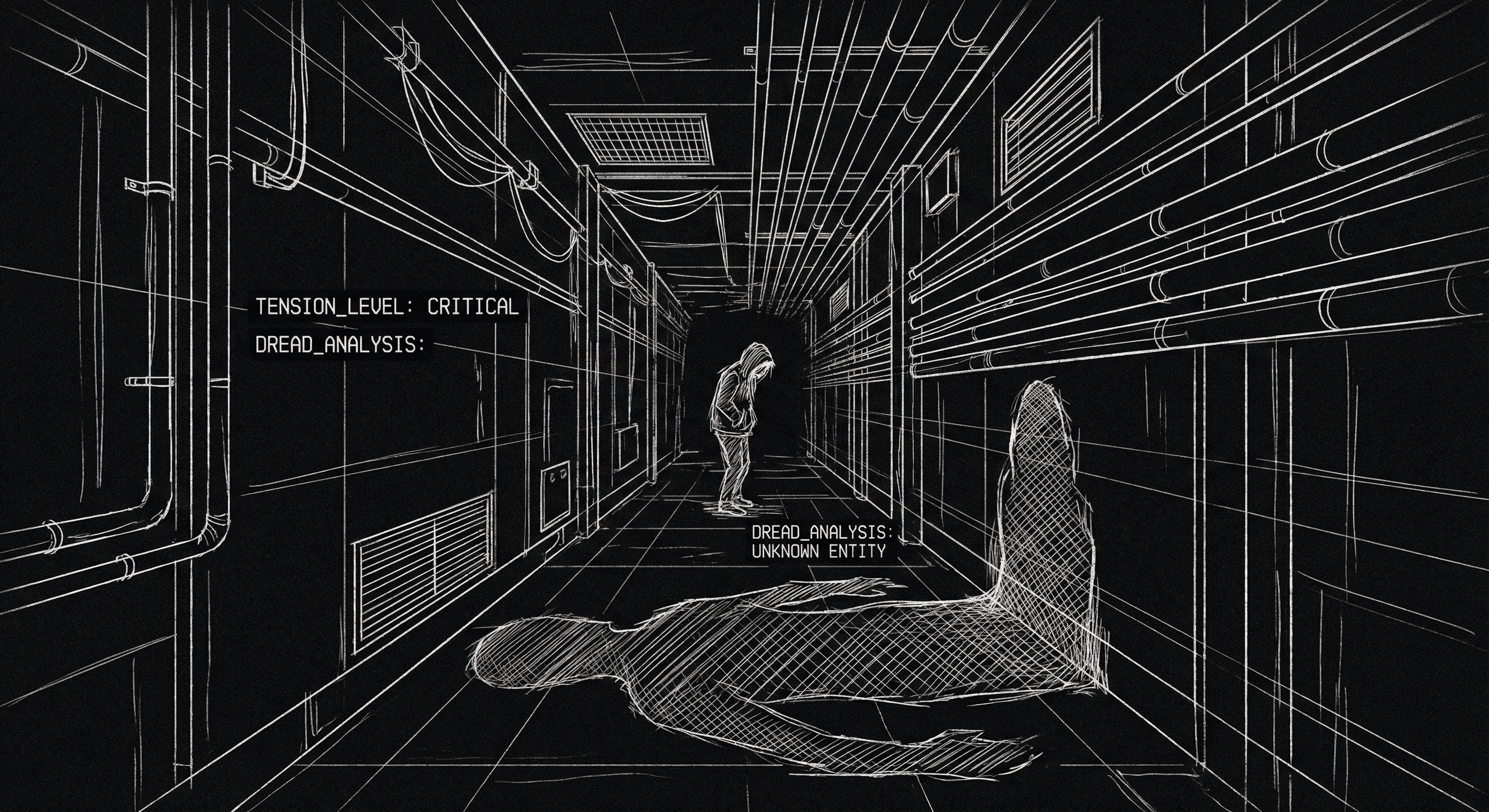
Horror lives or dies on control. You're orchestrating suspense, shock, and aftermath. They notice setups and payoffs of fear, inventive use of familiar tropes, and subtext, the best horror often doubles as social commentary without turning into a thesis. If your script is just clever kills with no emotional residue, you might get a pat on the head but you won't rise.
Sci-Fi: Ideas, Worlds, and Containment
Sci-fi contests chase compelling what-ifs, worlds that feel lived-in, and emotional arcs that keep pace with the ideas. One big difference: budget. The smart scripts find contained ways to explore big ideas, one lab, one ship, and tie each speculative element to a personal cost. Judges want the joy of concept and the ache of character.
Try it free
Try Screenweaver for free on your script
It is free. Import your existing project, get a clearer view of your outline, and regain control of your story structure in minutes.
Start FreeComedy: Rhythm on the Page
Comedy contests are chasing one thing: Did you make them laugh, out loud, alone at a laptop at 1 a.m.? They pay attention to voice, surprise, and heart. Formatting matters, white space, timing on the page, how you build to a punch. It's not enough to be mildly amusing; you need moments that make someone scroll back up to enjoy again.
Trench Warfare: What Beginners Get Wrong
Treating genre as skin, not bone. If your story would be exactly the same without its genre element, you're not actually writing genre. Horror, sci-fi, and comedy must grow organically from the premise and character.
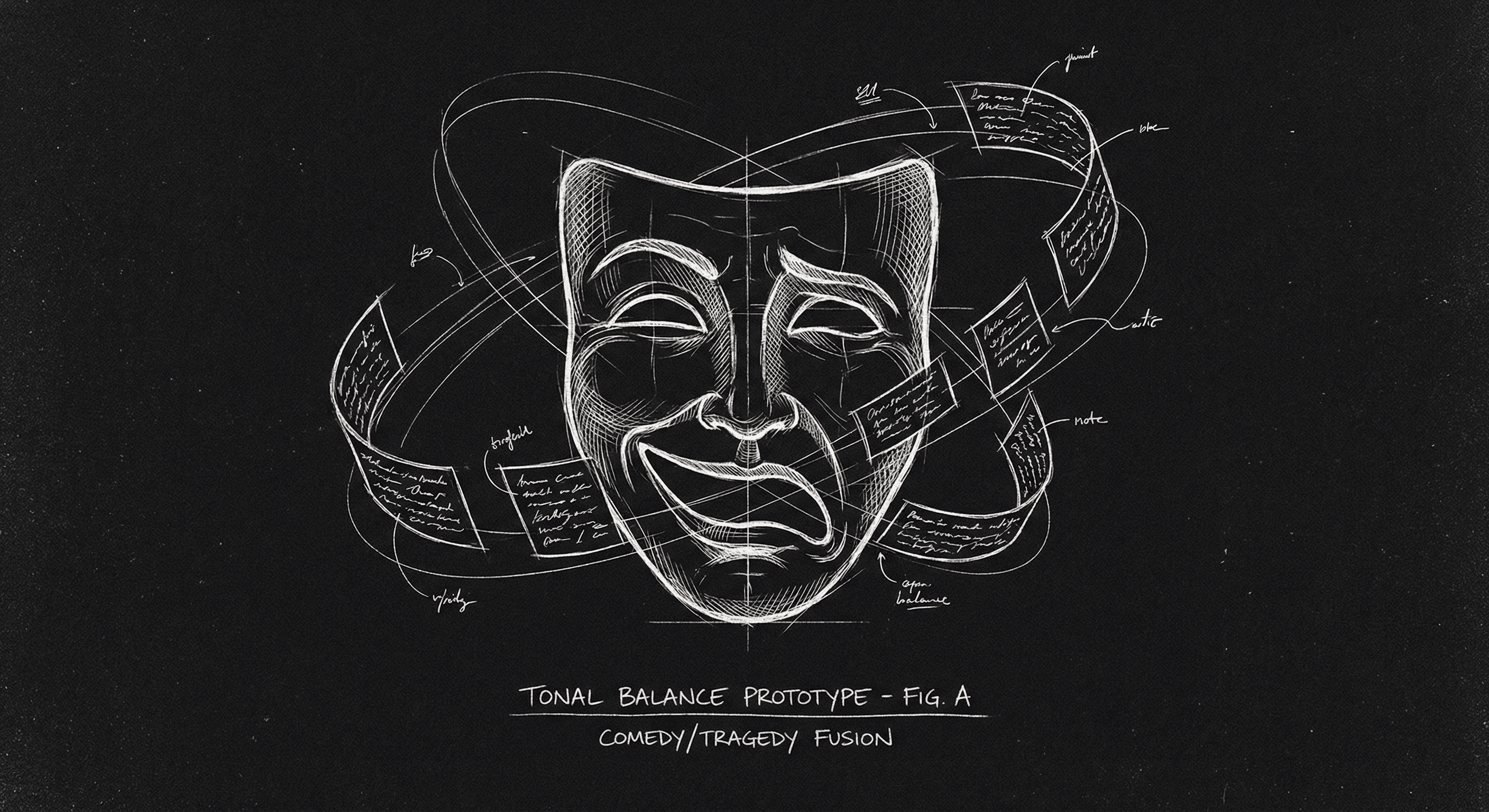
Misjudging tone. Gore for its own sake gets boring. Edge-lord cruelty reads as lazy. Comedy contests can smell shock jokes a mile away.
Ignoring category fit. Dropping your horror-comedy into a "pure horror" lane (or the reverse) means judges may shrug at your best scenes. Match your script to the contests that love its genre.
| Contest type | What they emphasize | Red flags they dislike |
|---|---|---|
| Horror | Tension, atmosphere, metaphor | Empty gore, cheap shock |
| Sci-fi | Big ideas, world logic | Tech babble with no human core |
| Comedy | Voice, timing, surprise | Edgelord jokes, sitcom cliché without twist |
For more on contest strategy and when to spend your budget, see are contests worth the money and The Horror Writers Association{rel="nofollow"} for craft resources.
[YOUTUBE VIDEO: Side-by-side read-through of a horror short and a comedy short that won genre contests, with a script supervisor marking where laughs or scares are engineered on the page.]
Final Step
Build your next script with Screenweaver
Move from ideas to production-ready pages faster with timeline-native writing and AI-assisted story flow.
Try Screenweaver